Health
Why women are turning to GLP-1 weight-loss drugs
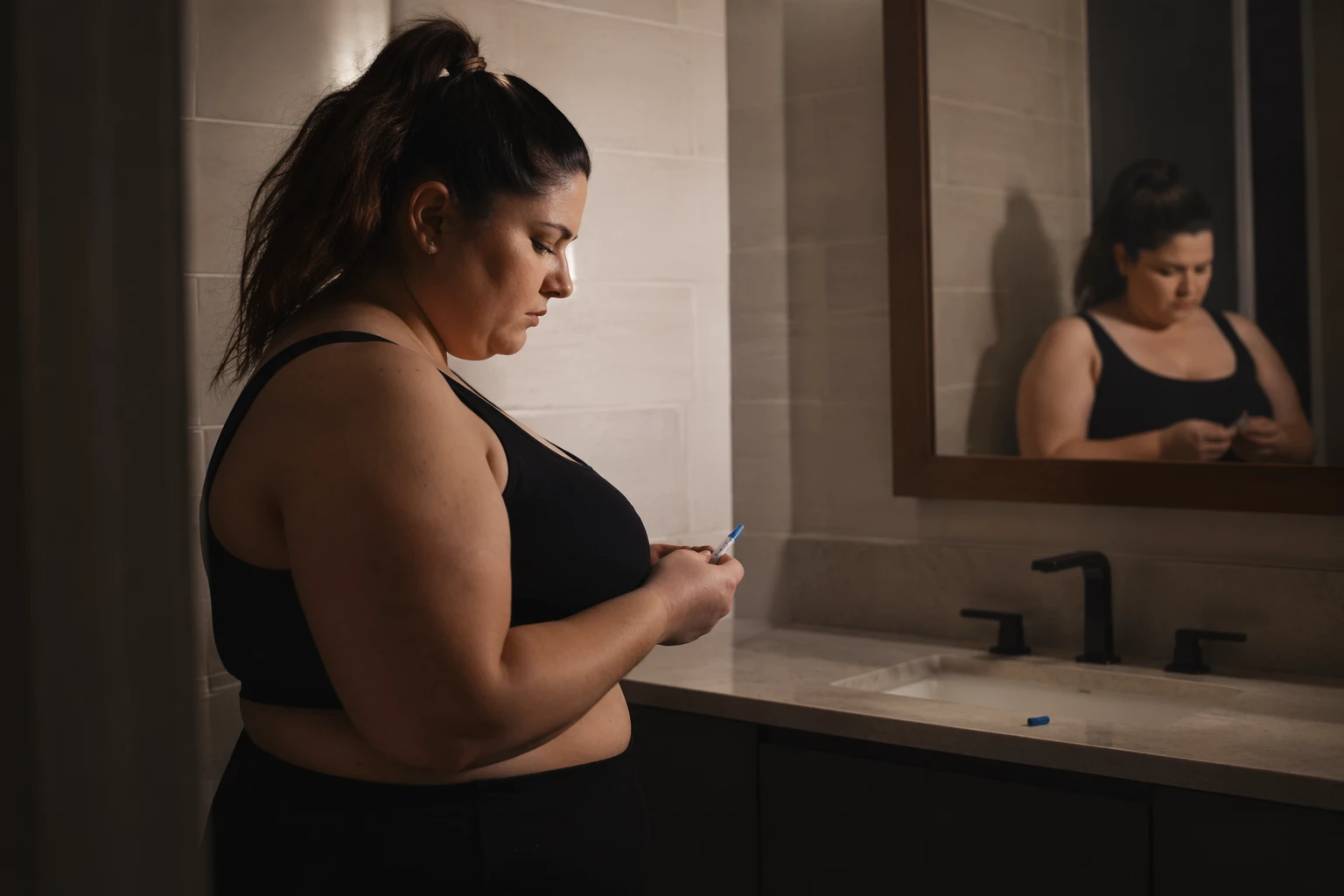
GLP-1 drugs look like a rational answer in a culture that still rewards thinness and stigmatizes larger bodies. For many women, the decision is not just about appearance or willpower; it sits at the intersection of health, social pressure and the economic costs of being larger in public.
From diabetes treatment to mainstream weight management
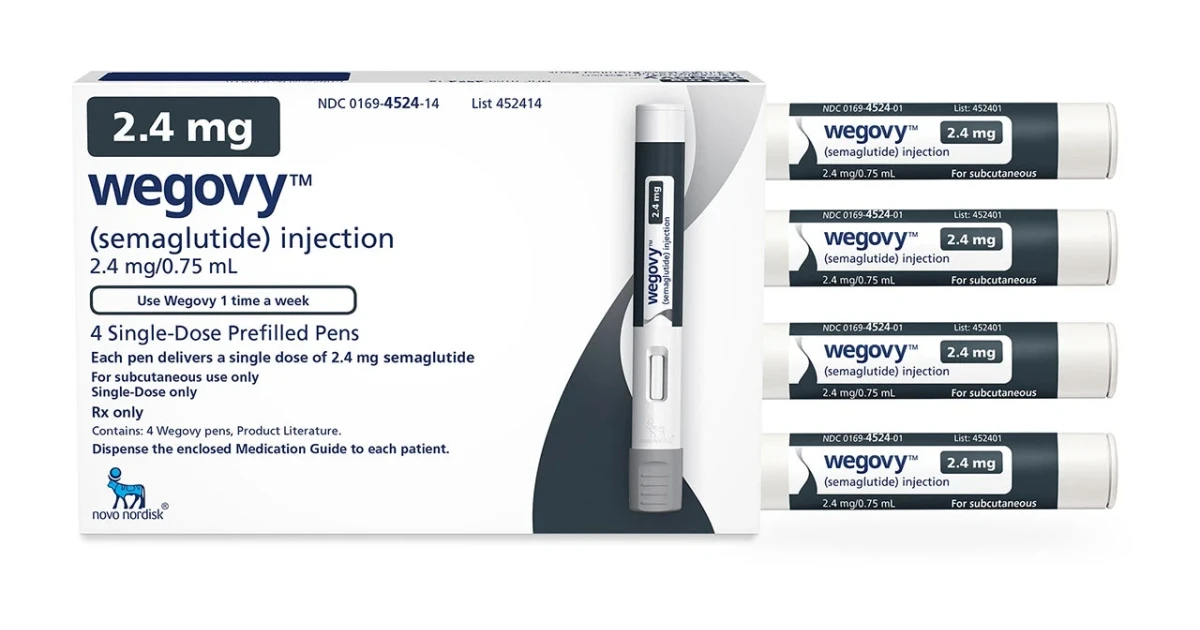
Wegovy and Zepbound began as medicines tied to metabolic disease, not as symbols of a beauty shift. Wegovy, the semaglutide brand from Novo Nordisk, was approved by the FDA on June 4, 2021, for chronic weight management in adults with obesity or overweight plus at least one weight-related condition. Zepbound, the tirzepatide brand, followed in November 2023 with the same basic weight-management indication.
The FDA then widened Wegovy’s medical role in 2024 by approving it to reduce the risk of major cardiovascular events in adults with established cardiovascular disease and either obesity or overweight. That matters because it gives the drug a harder medical edge than the culture-war caricature allows. It is not only a cosmetic product; for some patients, it is now part of heart-risk care.
Novo Nordisk said Wegovy’s approval rested on trial results showing average weight loss of about 15% at 68 weeks when the drug was combined with diet and exercise. That efficacy is central to the appeal. A medication that changes weight by that margin is not a marginal helper; it is a tool many patients and clinicians see as genuinely transformative.
Why the choice feels rational
The rapid normalization of these drugs helps explain why they have moved beyond medicine into culture. In a 2024 Pew Research Center survey, Americans familiar with Ozempic, Wegovy and similar drugs were more likely to say they are good weight-loss options for people with obesity than for people without a weight-related condition. That is a revealing boundary: the public is more comfortable framing the drugs as treatment than as enhancement.
Even so, the market has widened quickly. A July 2026 poll found that about 11% of U.S. adults currently say they are taking a GLP-1 weight-loss drug, up from 8% in 2025 and 3% in 2024. That jump suggests these medicines are no longer a niche choice for the affluent or the medically complex; they are part of a broad consumer and clinical landscape.
Why women feel the pressure differently
For women, the appeal is intensified by the way body size is judged in everyday life. Larger bodies are still penalized socially and economically, while thinness remains rewarded in hiring, dating, media visibility and ordinary public life. GLP-1s can therefore look less like indulgence than damage control, especially in settings where being smaller is treated as discipline and being larger as failure.
That pressure shows up in the research. A 2025 PubMed-indexed study found that people who screened positive on an eating-disorder screener were more likely to be interested in GLP-1s for weight loss and to try to access them, especially women. The finding matters because it suggests the medications are landing hardest in populations already carrying a high burden of weight stigma and body dissatisfaction.
Related research has also warned that GLP-1 use may not improve body image and could contribute to behavioral-health symptoms and psychological distress. That undercuts the fantasy that weight loss automatically produces ease. For some women, the drug may change the number on the scale without removing the social surveillance that made the number feel urgent in the first place.
The safety concerns around the gray market

The speed of demand has also pushed the market toward compounded versions, and that has drawn a forceful response from regulators. As of May 31, 2026, the FDA said it had received 990 adverse-event reports linked to compounded semaglutide and more than 730 linked to compounded tirzepatide. Those numbers do not prove causation in every case, but they are large enough to explain why the agency keeps warning about this corner of the market.
The FDA has told consumers to watch for telehealth or compounding red flags, including claims that a compounded drug is the same as an FDA-approved product or that no screening or doctor oversight is required. It also said the shortage of tirzepatide injection was resolved in 2026, which changes the supply picture as demand expands. As shortages recede, the case for shortcut sourcing weakens, but the incentives that created the gray market have not disappeared.
What the GLP-1 boom says about health care and beauty standards
GLP-1s are becoming a cultural flashpoint because they solve two different problems at once: disease management and appearance management. That dual use makes them unusually powerful in a society where the medical system has long under-treated obesity while the beauty system has kept pressure on women to shrink. The result is a medicine that can be understood as breakthrough therapy and as a mirror of structural pressure.
That tension is now built into the drugs’ public life. Wegovy’s cardiovascular indication, Zepbound’s weight-management approval, the 11% adoption figure and the FDA’s warnings about compounded products all point in the same direction: GLP-1s are no longer just about losing weight. They have become a test of how health care, stigma and thinness culture shape the choices women are expected to make.
Sources
- [1]nytimes.com
- [2]accessdata.fda.gov
- [3]fda.gov
- [4]pewresearch.org
- [5]pubmed.ncbi.nlm.nih.gov
- [6]novomedlink.com