Sports
Why World Cup VAR feels quieter than Premier League controversy
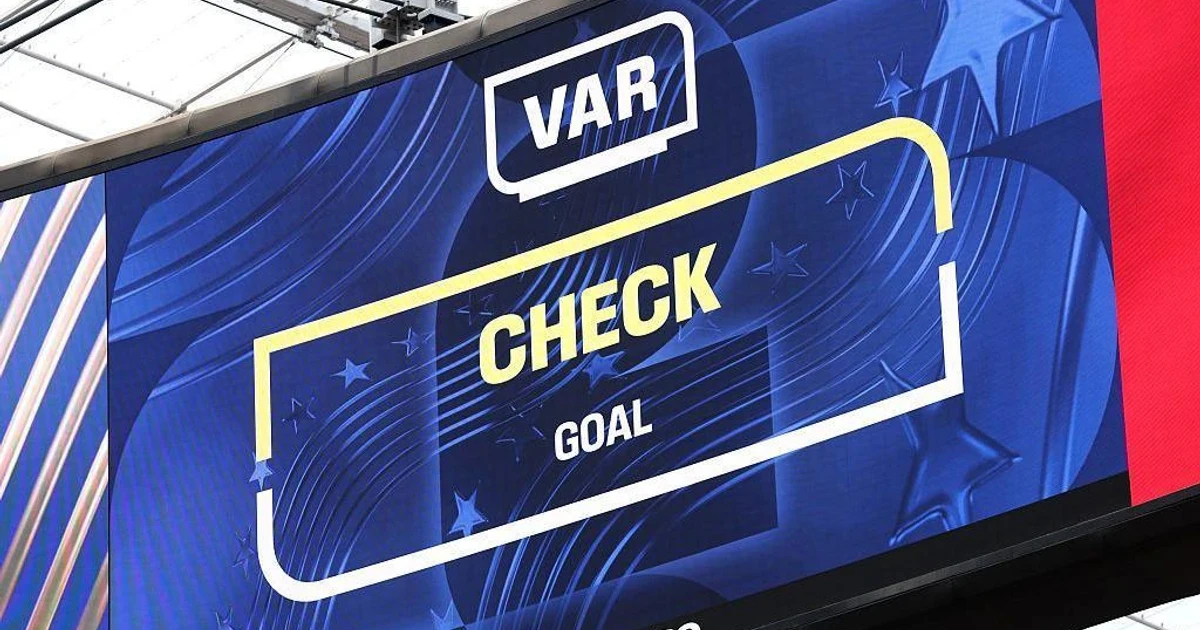
The numbers point one way, the emotion another. The 2026 World Cup has already seen regular VAR interventions, including four goals disallowed on review early in the tournament, yet the competition has still felt quieter than Premier League controversy. That gap is not a contradiction so much as a lesson in how context changes perception.
Why the same technology feels different
At the World Cup, every call lands inside a single national campaign. A disallowed goal can decide whether a country advances or goes home, so the impact is huge, but the conversation is also brief because matches come thick and fast. In the Premier League, by contrast, one decision can linger across a 38-match season, feed weeks of argument and keep resurfacing every time supporters revisit the table.
The scale of incident density also matters. Dale Johnson noted that, on average, there is one key match incident in a World Cup fixture and three in a Premier League match. That means league football offers far more openings for controversy to stack up, repeat and harden into narrative. Even when VAR is active in both competitions, the Premier League creates more moments for frustration to accumulate.
The difference is partly psychological, partly structural. World Cup debate is compressed into a tournament sprint, while Premier League debate is spread across months of rematches, rankings and title-race memory. A review that feels decisive in June can become one of many arguments by April in England’s domestic season.
The World Cup is built around control and consistency
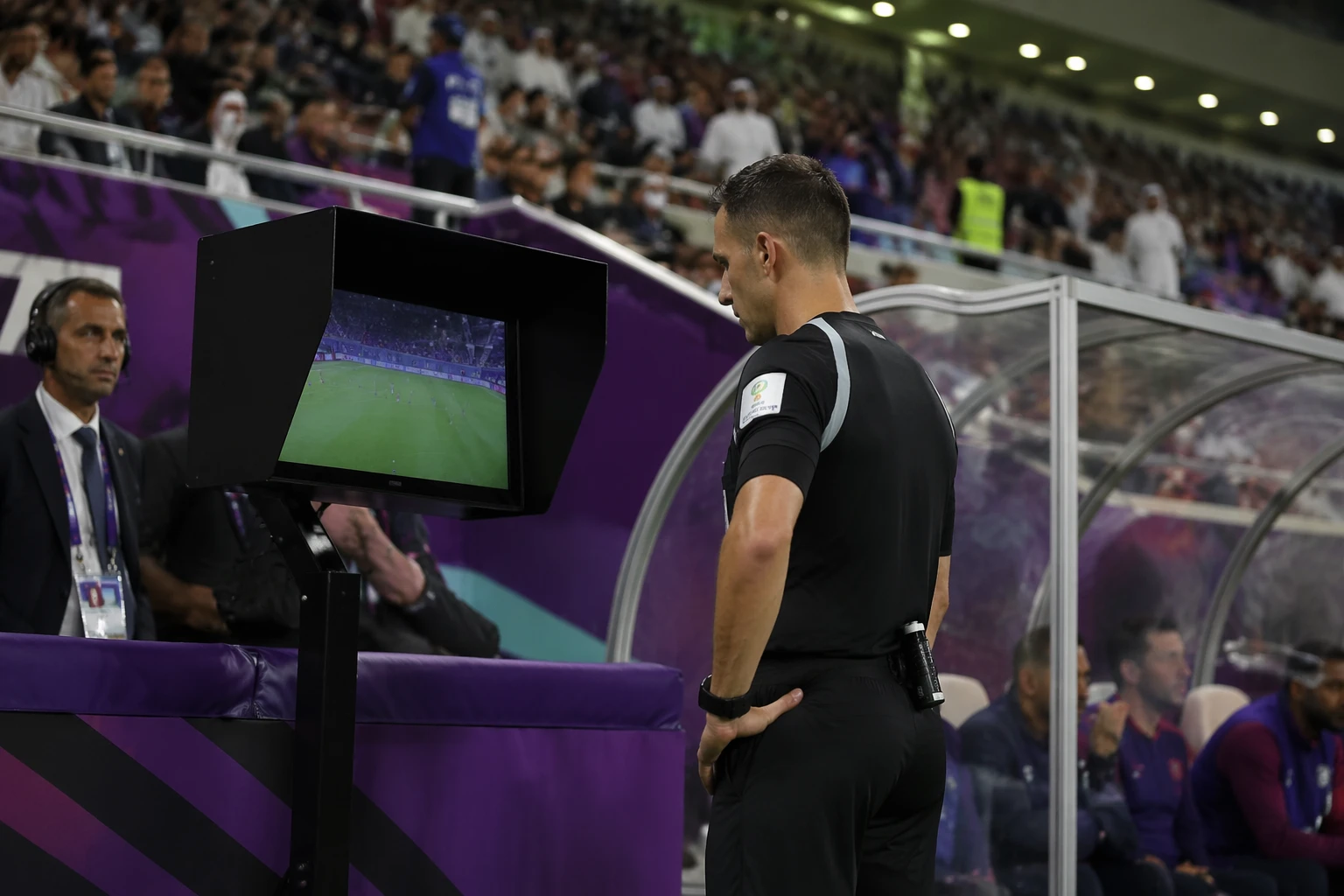
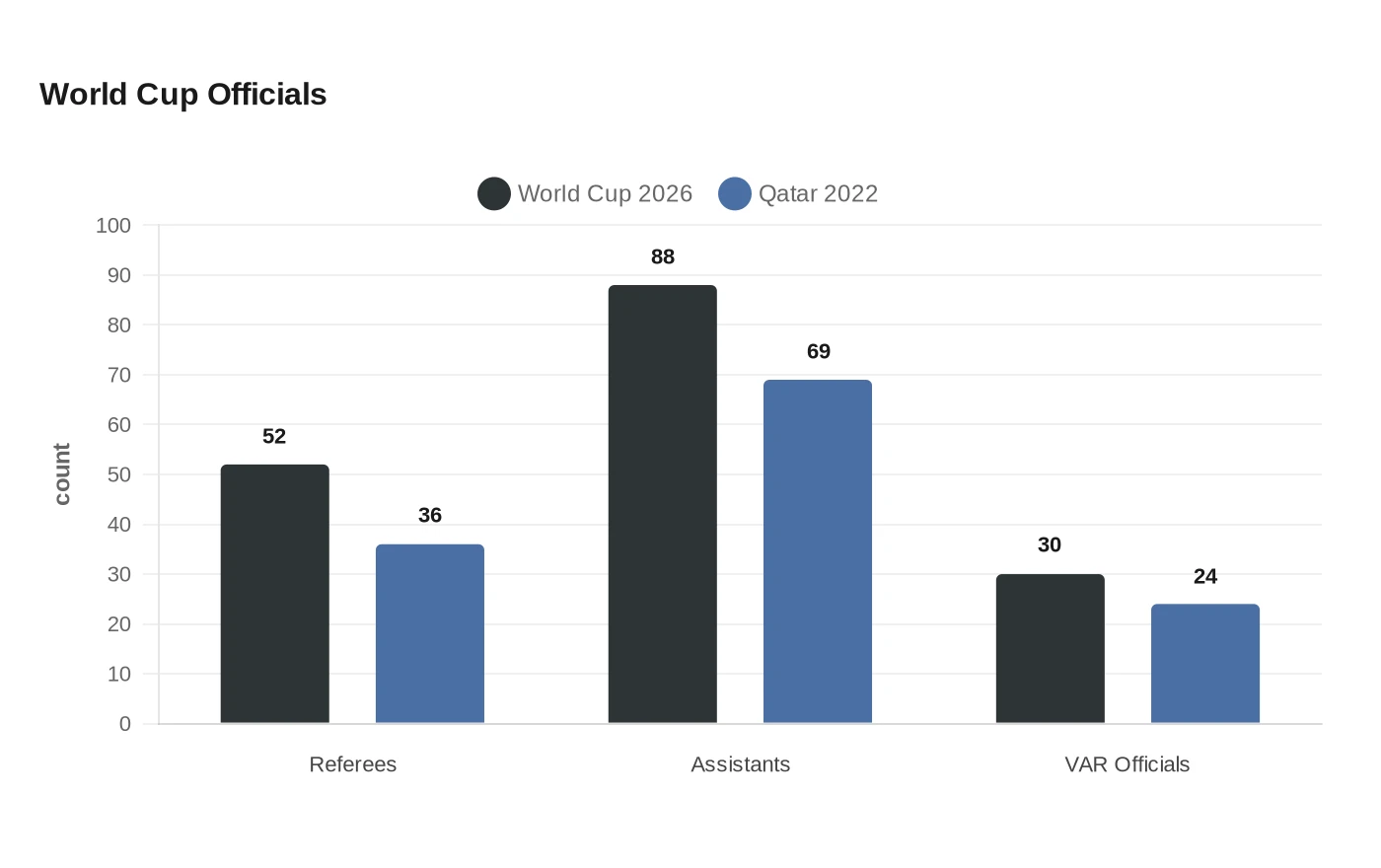
FIFA has leaned hard into elite officiating for the tournament. For World Cup 2026, it appointed 52 referees, 88 assistant referees and 30 video match officials from all six confederations and 50 member associations. FIFA described the selection approach as “quality first,” and the scale alone signals how tightly it wants the competition managed.
That is a bigger operation than Qatar 2022, when FIFA appointed 36 referees, 69 assistant referees and 24 video match officials. The newer group is the most comprehensive line-up of match officials in World Cup history, and the aim is not simply to review more incidents, but to deliver more consistency. FIFA chief refereeing officer Pierluigi Collina has said the goal is for referees to let football flow more and treat it as a contact sport, with fewer fouls and cautions than many domestic competitions.
That philosophy changes how VAR feels on television and in the stadium. If officials allow more contact, fewer ordinary challenges become flashpoints. If the threshold for intervention stays high, the system is less likely to interrupt the rhythm of play for marginal disagreements. The result is a tournament that can still use VAR frequently without feeling obsessed with it.
Why VAR itself is supposed to stay narrow
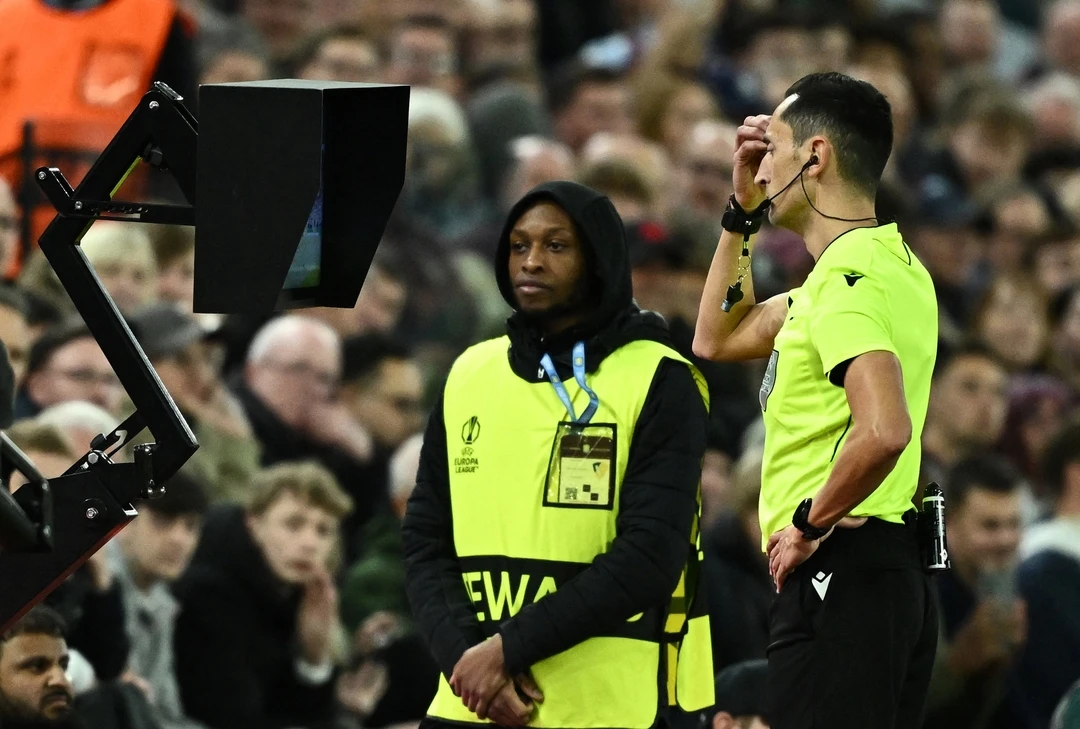
Under the IFAB VAR protocol, video review is only meant to intervene for a clear and obvious error or a serious missed incident. The system is limited to five categories: goals, penalties, red cards, mistaken identity and, in some cases, incorrect corner-kick situations. The final decision always rests with the referee, not with the video booth.
That restriction is central to why World Cup reviews can feel more contained. VAR is not meant to second-guess every controversial touch or every borderline foul. It is built for major errors, and IFAB gives no time limit for the process because accuracy matters more than speed. In other words, the game may pause, but the pause is designed to be rare, deliberate and consequential.
That deliberate design also shapes how fans interpret the stoppage. A longer review can be tolerated when it is clearly tied to a major decision, especially in a tournament where one goal can define a national story. In the Premier League, repeated stoppages for similar incidents can feel like bureaucratic friction, even when the underlying technology is doing exactly what it was built to do.
The offside technology is the same idea, but not the same experience
Semi-automated offside technology has narrowed the gap between the competitions, but not erased it. FIFA used the system at the 2022 World Cup, while the Premier League introduced it later, on 12 April 2025, after testing it in the league and using it live in the FA Cup. The stated aim was to improve speed, efficiency and consistency without changing the accuracy of decision-making.
That distinction matters. The technology may be similar, but the surrounding environment is not. In a World Cup, a review sits inside a one-off event with a unified broadcast narrative, elite officials and a limited number of matches. In the Premier League, the same type of intervention is absorbed into a relentless weekly cycle in which every decision is replayed, debated and compared with the last one.
The perception gap is therefore not about whether VAR exists or whether it works. It is about how often it interrupts, how it is explained, how much context surrounds it and how long the fallout lasts. The World Cup can have more VAR reviews and still feel quieter because its interruptions are more concentrated, its stakes are singular and its officiating is built to prioritize clarity over constant intervention.
That is why the tournament’s VAR can seem less intrusive even when the raw count says otherwise. The technology is only part of the story. The real difference is the competition around it.
Sources
- [1]bbc.com
- [2]sports.yahoo.com
- [3]theifab.com
- [4]inside.fifa.com
- [5]premierleague.com