Business
Wild CEO reveals the hidden machinery behind influencer posts
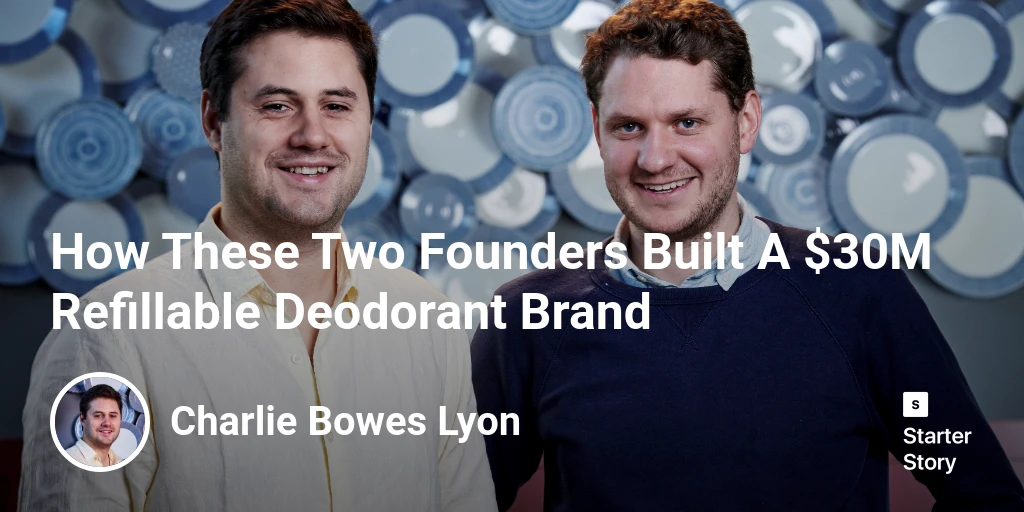
Wild has turned Instagram promotion into an operating system, and Charlie Bowes-Lyon calls influencer marketing the brand’s “secret sauce.” The refillable deodorant company, founded by childhood friends Freddy Ward and Bowes-Lyon, sells natural deodorant and soap by subscription, while wrapping the product in a sustainability story about less plastic and more reuse. Behind that polished message sits a marketing budget that now rivals the scale of a small media business.
The brand behind the posts
Wild launched in 2019 and 2020 as a refillable natural deodorant brand built around cutting single-use plastic in bathrooms. By March 2025, the company said it had diverted more than 750,000 kg of single-use plastic and planted more than 1.2 million trees, figures that helped define the brand as more than a toiletries start-up. Unilever announced on 1 April 2025 that it had acquired Wild, placing the subscription business inside one of the world’s largest consumer groups.
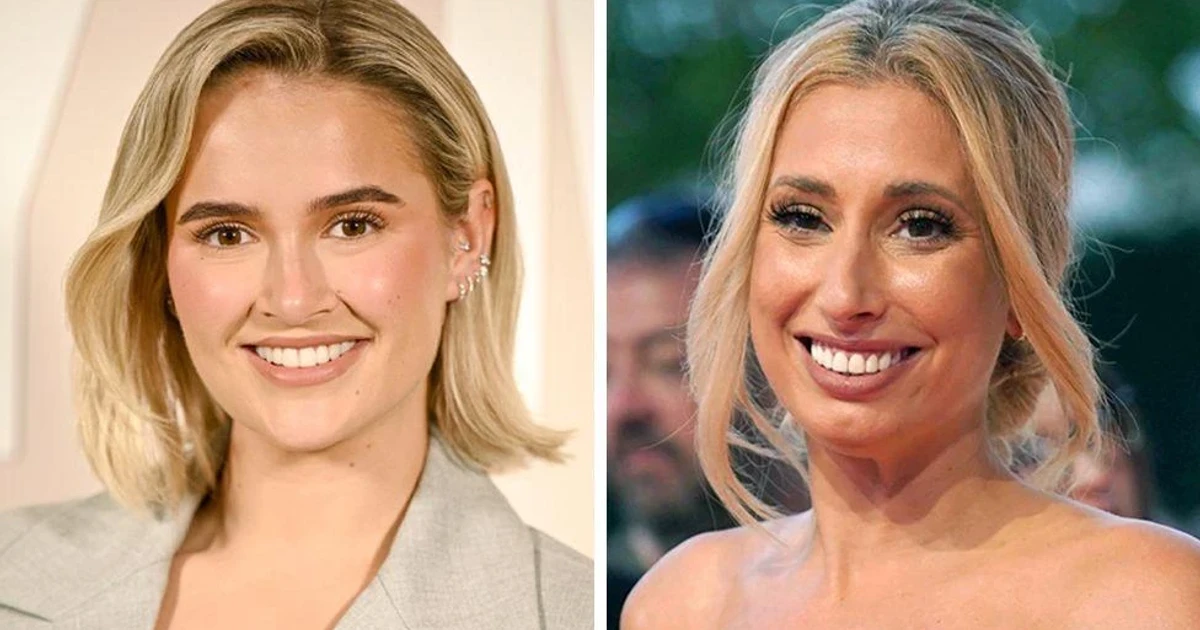
That scale matters because the marketing model is expensive enough to shape who can compete. Bowes-Lyon has said Wild uses high-profile names including Stacey Solomon, Emma Raducanu and Molly-Mae Hague on Instagram, and that the company has spent millions on Raducanu and hundreds of thousands on campaigns with Solomon and Hague. Some celebrity influencer deals can reach up to £1m, which puts the cost of “authentic” reach into the same bracket as other major media buys, only with the added promise that the message arrives wrapped in a person’s lifestyle rather than a standard advert.
How paid authenticity is built
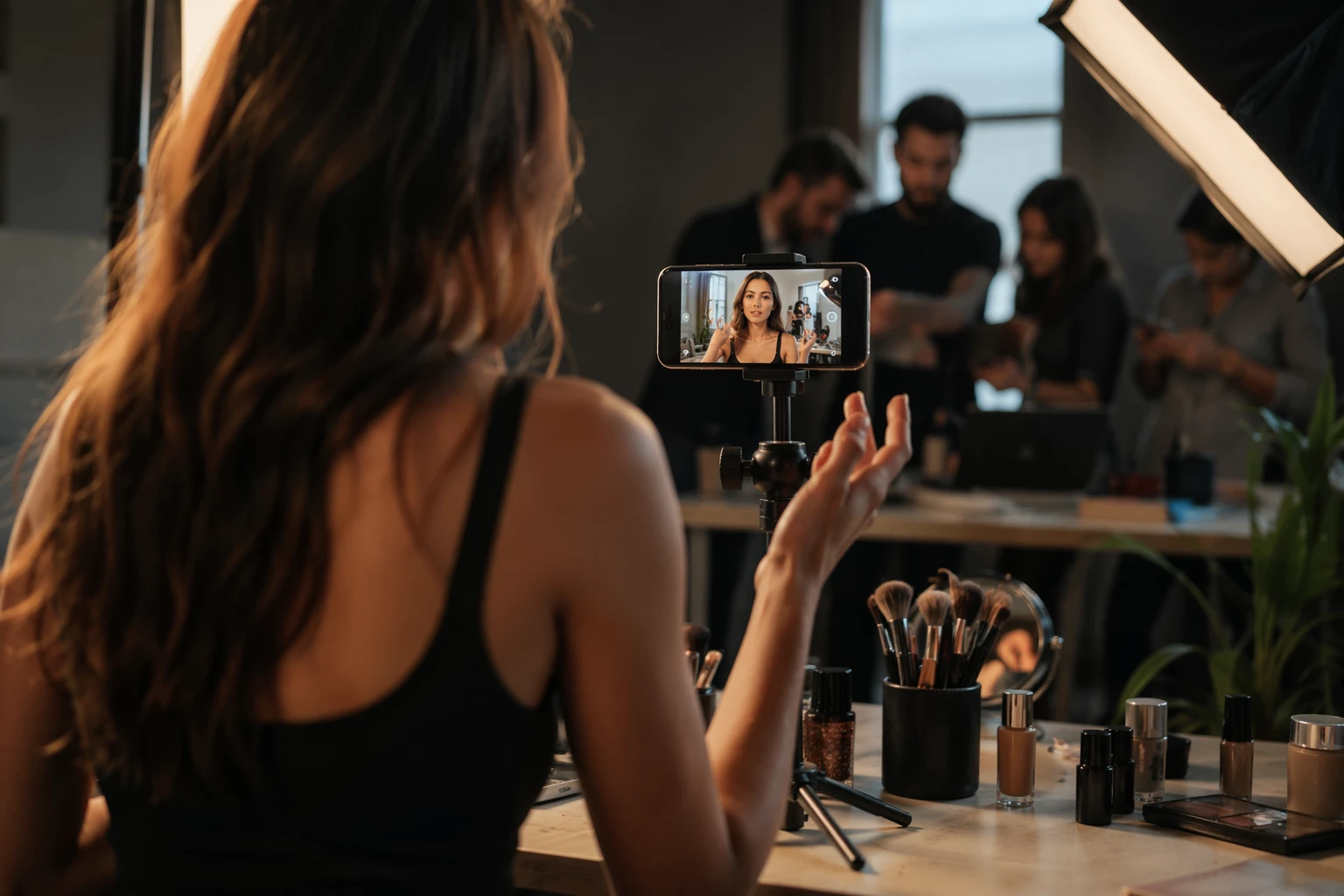
Wild’s influencer operation is not a side project. Bowes-Lyon has said the company employs more than 20 people solely for influencer marketing, with a yearly budget just under £10m that could double as the brand looks for larger ambassadors. That is a useful reminder that influencer marketing is not simply about celebrity endorsements, it is about industrial-scale content production, audience segmentation and paid distribution.
The clearest example is Solomon’s campaign for Wild, which generated more than 100 paid ad iterations for social media. Those versions were tailored to different audiences, turning one creator relationship into a spread of targeted messages rather than a single sponsored post. The economics are straightforward: the more precisely a brand can slice its audience, the more value it can extract from each paid appearance, but the more money it must spend on creative variation, talent fees and media placement to do it.
For a business like Wild, that spending buys access to trust that traditional advertising cannot easily manufacture. A creator post can feel like a recommendation from a friend, even when it is part of a budget that includes repeated approvals, rewrites and distribution across multiple formats. The hidden machinery is the point: the content is designed to look personal while operating like paid media.
Why the label matters
That is where the transparency problem begins. The Advertising Standards Authority’s 2026 research found that brand adverts on social media were easier to identify than influencer ads. Around half of people could confidently identify an influencer post as an advert, and more than a quarter did not recognise influencer ads at all, while most respondents preferred influencer ads to be clearly labelled up front.
Those findings go to the heart of consumer trust. If only around half of viewers can spot the commercial intent, the line between endorsement and organic enthusiasm becomes blurred, especially on platforms where personal identity and product recommendation are already intertwined. The practical effect is that the market rewards brands that can buy not just visibility, but ambiguity.
Wild has already faced its own regulatory scrutiny, which gives the issue extra weight. The company was the subject of a 2024 ruling over a YouTube pre-roll ad that showed a woman applying deodorant, and it has also faced earlier rulings on deodorant claims. Put together, the regulator’s concerns and the scale of Wild’s influencer budget show how quickly a brand built on lifestyle appeal can run into questions about what exactly is being sold: the product, the promise, or the person holding it.
The market lesson for platforms and brands
Wild’s spend shows who can afford the current version of paid authenticity. A budget just under £10m, a team of more than 20 specialists and campaigns tied to names such as Solomon, Raducanu and Hague are not the tools of a cash-strapped challenger brand. They belong to a company with enough scale, and now enough corporate backing under Unilever, to treat influencer marketing as a core growth engine rather than a speculative experiment.
That is also why ad-labeling rules matter more than they look on paper. When the industry can afford hundreds of ad variants, million-pound celebrity relationships and paid posts tailored to different audience slices, transparency becomes the only mechanism that lets consumers tell endorsement from recommendation. Without clear labels, the economics of influencer marketing tilt toward brands that can buy credibility while keeping the commercial machinery just out of view.
Sources
- [1]bbc.co.uk
- [2]aol.com
- [3]unilever.com
- [4]wearewild.com
- [5]asa.org.uk
- [6]febe.com