World
Wildfire destroys 230 homes in British Columbia Indigenous community
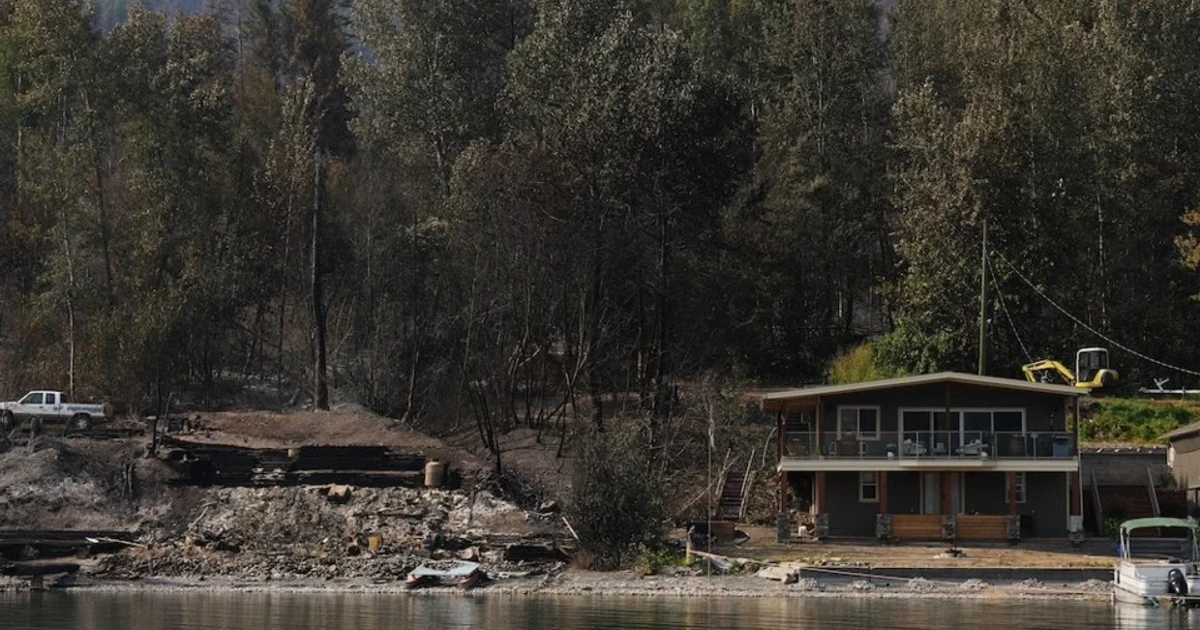
A wildfire on the west side of Okanagan Lake near Vernon, British Columbia, destroyed about 230 homes in the Okanagan Indian Band community, turning a fast-moving blaze into a housing crisis as well as an emergency response challenge. The loss landed in a remote Indigenous community where evacuation, temporary shelter and rebuilding are often harder to secure than in urban areas hit by the same fire season.
Dan Wilson, chief of the Okanagan Indian Band, said the Bradley Creek wildfire destroyed about 230 homes. A Times Colonist report said the losses included 30 homes belonging to band members and 200 non-band homes, a split that showed how widely the fire cut through the community. The fire, fanned by powerful winds, was described as one of Canada’s most destructive in recent years.
After a helicopter tour with the B.C. Wildfire Service over the west side of Okanagan Lake, Wilson said, “It looked like a war zone” and “It was hard to recognize my community.” The language captured not just the scale of the damage but the speed with which residents lost homes, personal records and cultural belongings in a place where replacement housing is not easily found.
The destruction came as wildfires forced wider disruption across British Columbia. CBC said 8,000 people were under evacuation order, while Global News said thousands of people in the Okanagan region fled because of the fire emergency. Evacuees were met with hamburgers, water and support, a reminder that the first phase of recovery is often improvised around food, shelter and basic care long before reconstruction begins.
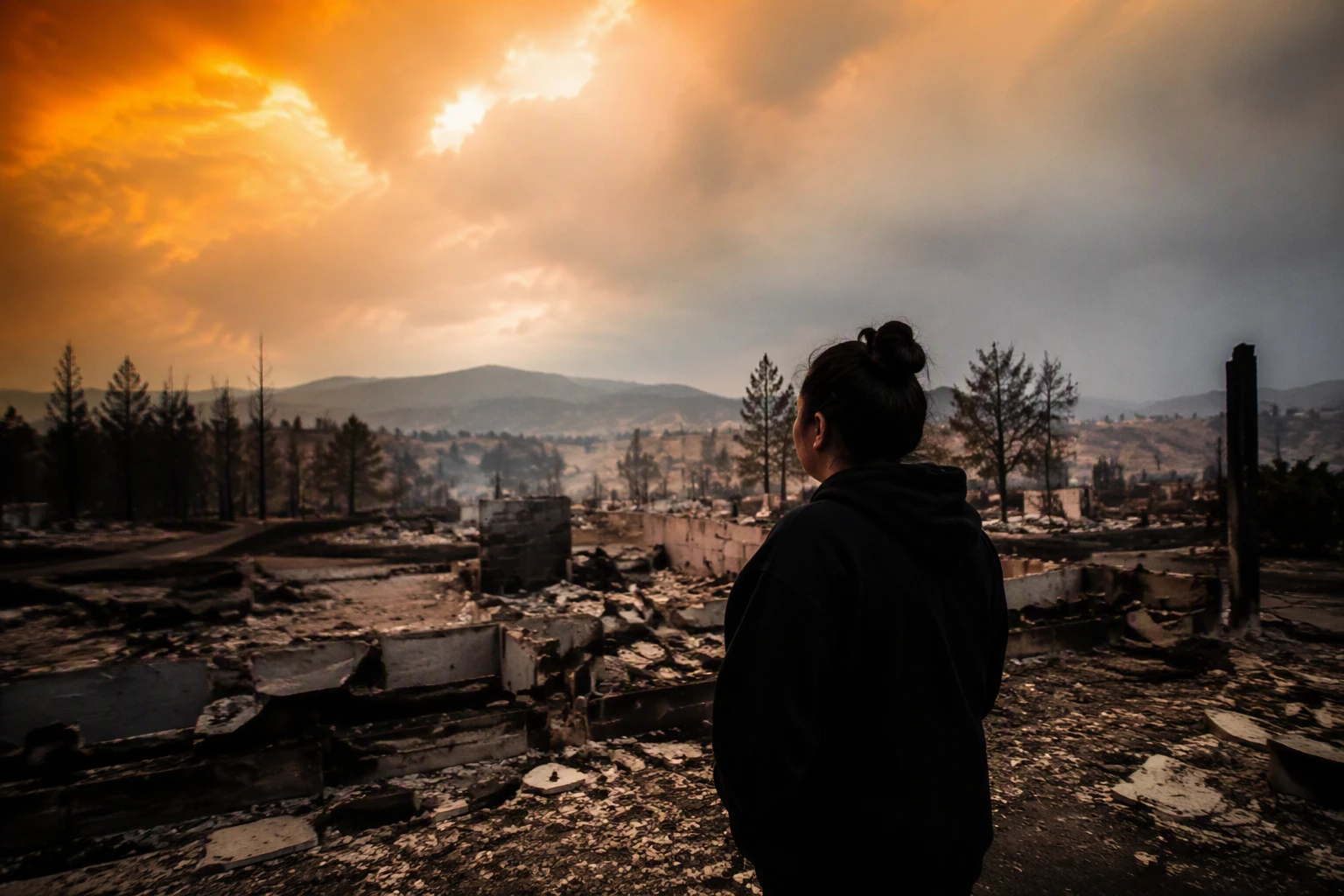
Indigenous communities often face a tougher road after disasters because of geographic isolation, limited housing nearby and long-standing infrastructure gaps. Indigenous Services Canada said that as of Aug. 4, 2026, there were active wildfire emergencies affecting First Nations and Nations eligible under the Emergency Management Assistance Program, underscoring how broadly the crisis was touching Indigenous communities across the country.
Officials also warned that conditions were making the fire fight harder. One report cited fuel dryness in British Columbia that officials said had never before been recorded in the province, while no U.S. reinforcements were available because American crews were already battling their own severe wildfire season. In the Okanagan Indian Band community, the task now shifts from suppression to the slower work of housing displaced families and rebuilding on ground that has already been devastated once.
Sources
- [1]apnews.com
- [2]seattletimes.com
- [3]timescolonist.com
- [4]cbc.ca
- [5]youtube.com
- [6]ca.news.yahoo.com
- [7]insurancebusinessmag.com
- [8]sac-isc.gc.ca
- [9]cpac.ca