Health
Wildfire smoke and heat waves trigger air-quality alerts across U.S.
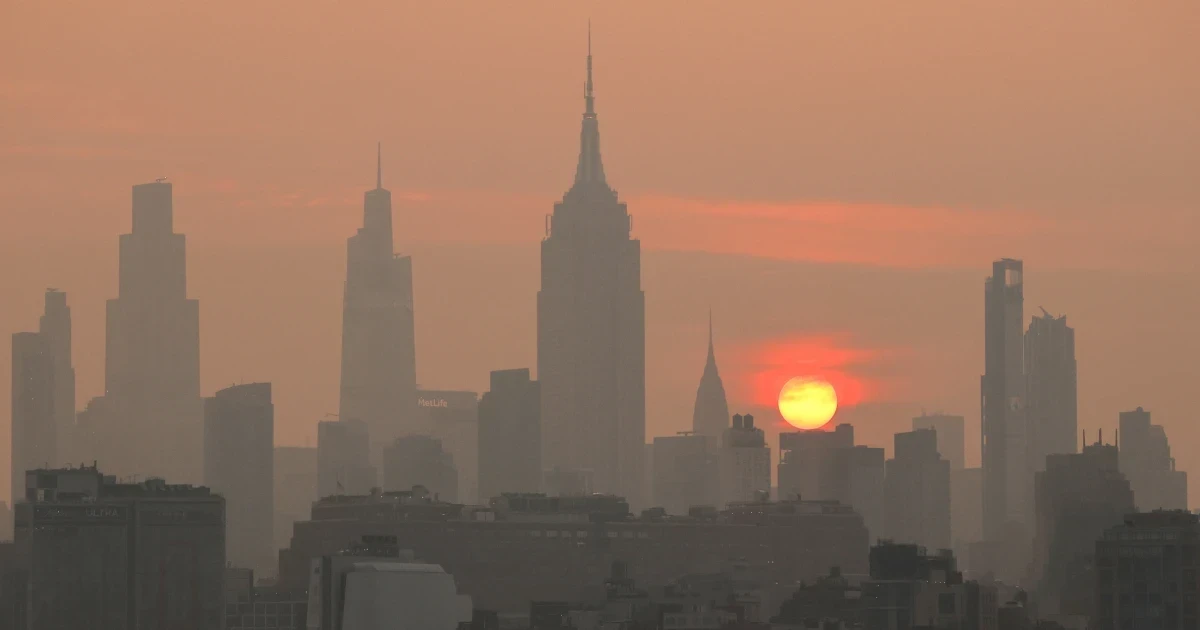
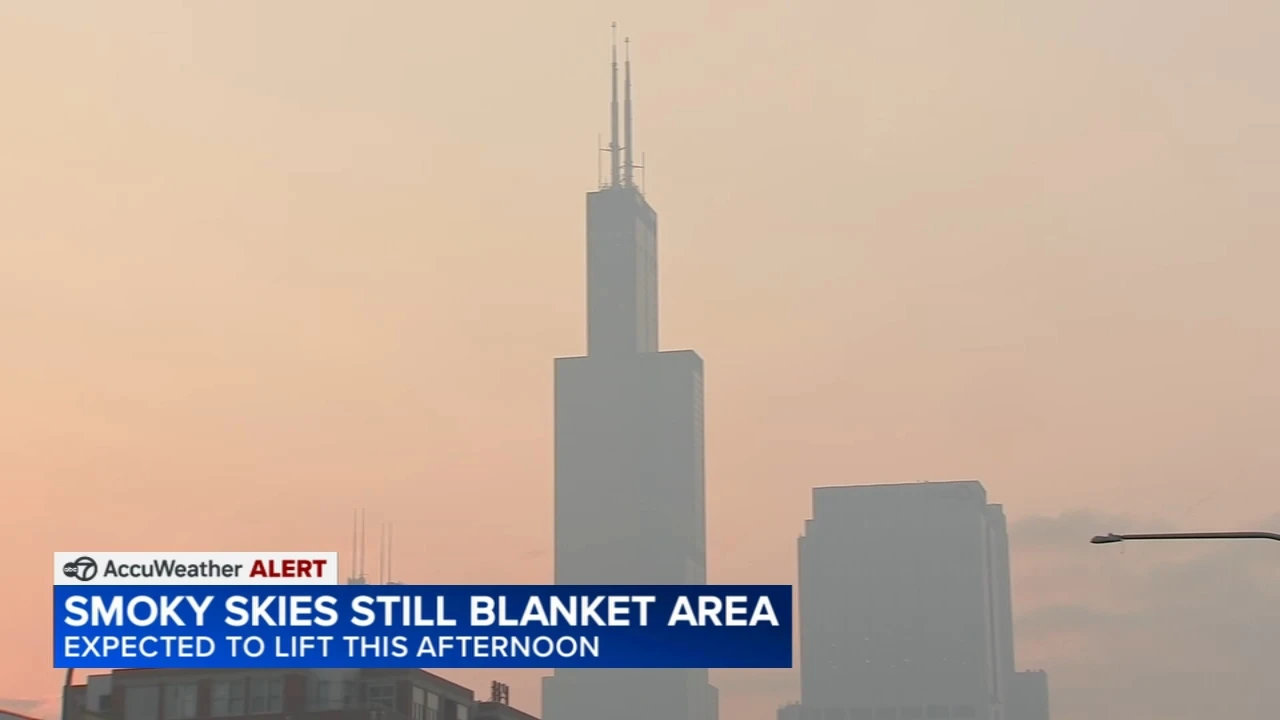
Smoke from wildfires in Canada and northeast Minnesota pushed unhealthy to hazardous air across the Great Lakes, Midwest and Northeast on July 17, with Chicago, Detroit, Minneapolis and New York among the cities under alerts. At least 17 states were covered by air-quality warnings as the haze darkened skies and cut visibility across a broad swath of the country.
Wildfire smoke alerts showed impacts in multiple states, and NOAA’s Hazard Mapping System and Fire and Smoke map tracked where the plume was thickest. The worst smoke was not confined to one corridor but spread from the upper Midwest into the Northeast and Mid-Atlantic.
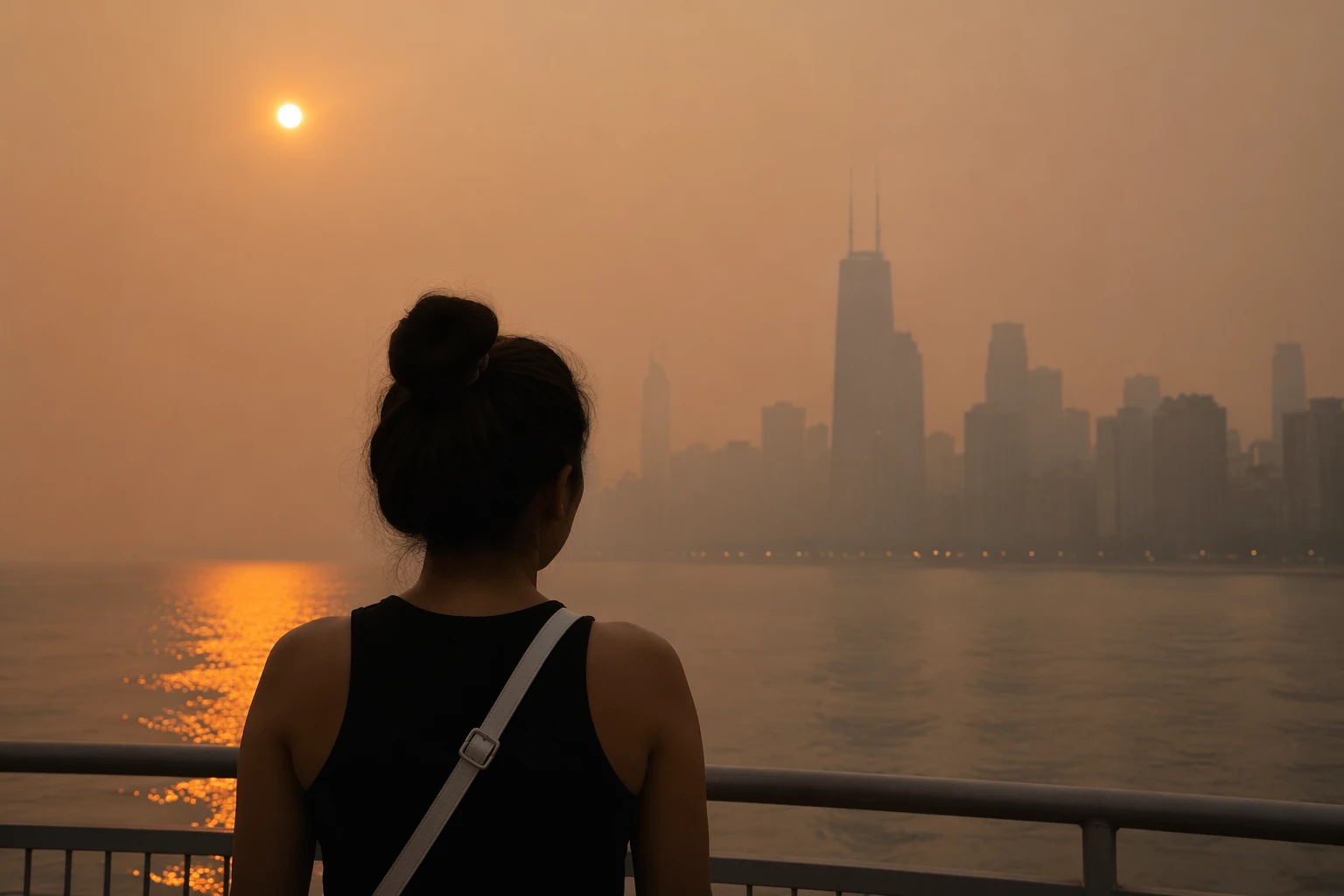
PM2.5, the fine particulate pollution in wildfire smoke, can drive asthma flares, irritate lungs and raise the strain on the heart. People should stay indoors when smoke is heavy, limit outdoor activity and use HEPA filtration or a clean-air room if one is available. Children, pregnant people, older adults and anyone with chronic lung or heart disease face higher risk when air moves into the unhealthy or hazardous range.
If going outside cannot be avoided, a properly fitted N95 or P100 mask offers the best available protection against smoke particles. Keep windows closed and avoid extra smoke from candles or cooking grease while the outdoor air stays poor.
Canada's fire season got off to a fast start, with about 8.6 million acres burned so far. The 2023 Canadian wildfire smoke event spread across much of North America and about 100 million people in the U.S. were affected.
Sources
- [1]nbcnews.com
- [2]weather.com
- [3]reuters.com
- [4]cnn.com
- [5]airnow.gov
- [6]epa.gov
- [7]cdc.gov
- [8]nj.gov