Health
Wildfire Smoke Exposure Linked to Rising Cancer Risks
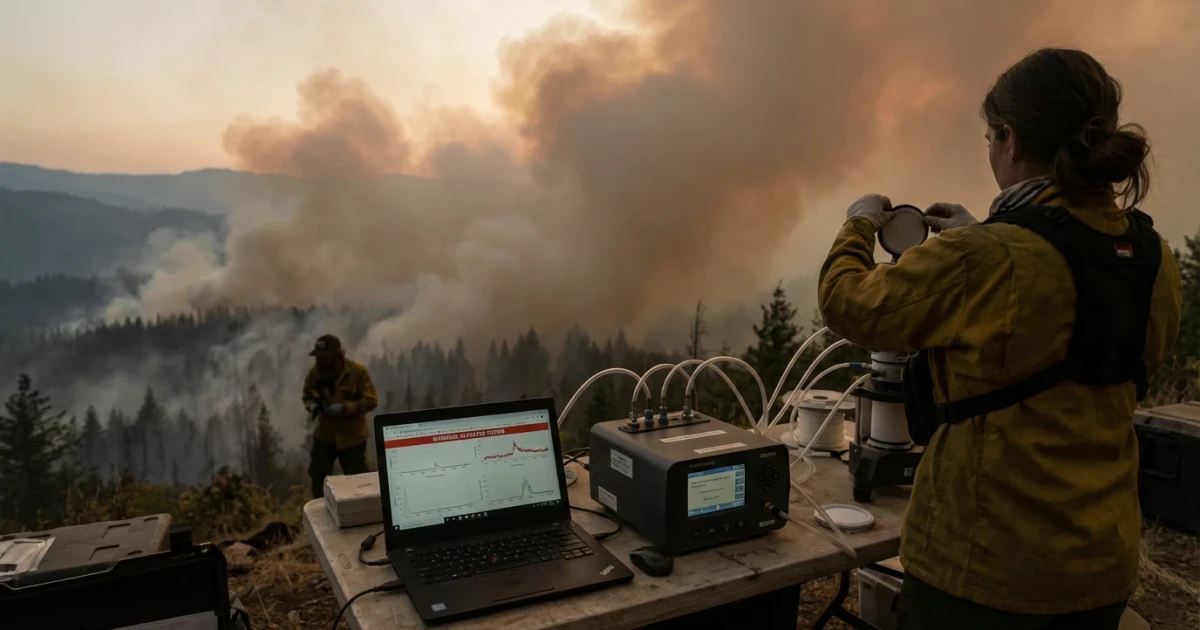
As wildfires grow more frequent and severe across the United States, scientists and health officials are raising alarms about the long-term health consequences of exposure to wildfire smoke—including a potential increase in cancer risk. Recent reports from The Washington Post highlight mounting evidence connecting sustained inhalation of wildfire smoke to several types of cancer. The findings underscore the urgent need for public awareness and further research as climate change drives larger and more destructive fire seasons.
Growing Wildfire Seasons and Health Impacts
Wildfires are consuming more acreage and burning for longer periods each year, resulting in unprecedented levels of smoke pollution. According to EPA data on particulate matter trends, concentrations of fine particulate matter (PM2.5) can spike dramatically during wildfire events, far exceeding normal urban air pollution levels. PM2.5, a key component of wildfire smoke, is small enough to penetrate deep into the lungs and enter the bloodstream.
Wildfire smoke contains a toxic mix of chemicals and carcinogens, including benzene, formaldehyde, and polycyclic aromatic hydrocarbons (PAHs). The Washington Post reports that these substances are known to damage DNA and are linked to the development of lung, bladder, and other cancers. The article describes a striking case in which a man living near frequent wildfires developed black deposits in his lungs, highlighting the physical evidence of ongoing toxic exposure.
Emerging Evidence of Cancer Risk
While the respiratory risks of wildfire smoke are well-established, research is increasingly focusing on the longer-term cancer risks. Data compiled by the Centers for Disease Control and Prevention (CDC) notes that short-term exposure can exacerbate conditions like asthma and COPD, but there is growing concern about the cumulative effects of repeated smoke events.
- Wildfire smoke contains over 100 hazardous air pollutants, including many classified as carcinogens by the EPA and World Health Organization.
- Residents in wildfire-prone regions can experience weeks of elevated exposure each year, increasing their lifetime cancer risk.
- Recent studies suggest that people living near areas with frequent fires may have higher rates of cancers such as lung, bladder, and even certain blood cancers.
The National Cancer Institute’s ongoing analysis of wildfire smoke and cancer risk points to the biological mechanisms involved: inhaled particulates and chemicals can cause chronic inflammation, cellular mutations, and impaired immune response. These effects are particularly concerning for vulnerable groups such as children, the elderly, and those with pre-existing conditions.
Regional Disparities and Vulnerable Populations
According to the CDC’s BRFSS Prevalence & Trends Data, certain U.S. states—including California, Oregon, and Washington—have seen a rise in respiratory illness and are now monitoring potential increases in cancer incidence. These regions, frequently blanketed by wildfire smoke during summer and fall, are at the forefront of public health responses.
People working outdoors, such as firefighters, agricultural workers, and construction crews, face the highest exposure. The Washington Post details how these groups often lack adequate respiratory protection during prolonged smoke events, elevating their health risks even further.
What Can Be Done?
Public health agencies recommend several strategies to reduce exposure during wildfire events:
- Stay indoors with windows closed and use high-efficiency particulate air (HEPA) filters if possible.
- Limit outdoor activity when air quality is poor, as measured by local air quality indexes (AQIs).
- Wear N95 masks if you must be outdoors during heavy smoke conditions.
The CDC also provides guidance for healthcare providers and patients on mitigating the health impacts of wildfire smoke, available in their official resources.
Scientific Uncertainty and the Path Forward
While the connection between air pollution and cancer is well-established, researchers caution that more longitudinal studies are needed to quantify the specific risks from wildfire smoke. The Washington Post underscores that the growing frequency and intensity of wildfires present new challenges for public health, requiring robust surveillance and policy responses.
For those living in susceptible areas, experts advise vigilance and proactive measures to limit exposure. As evidence mounts, both scientists and health officials urge policymakers to invest in wildfire prevention, community preparedness, and research into long-term health outcomes.
As wildfires continue to shape the landscape of the American West and beyond, understanding and mitigating the health consequences of smoke exposure remains an urgent priority.