US News
Wildfire smoke keeps Pacific Northwest air unhealthy despite better fire weather
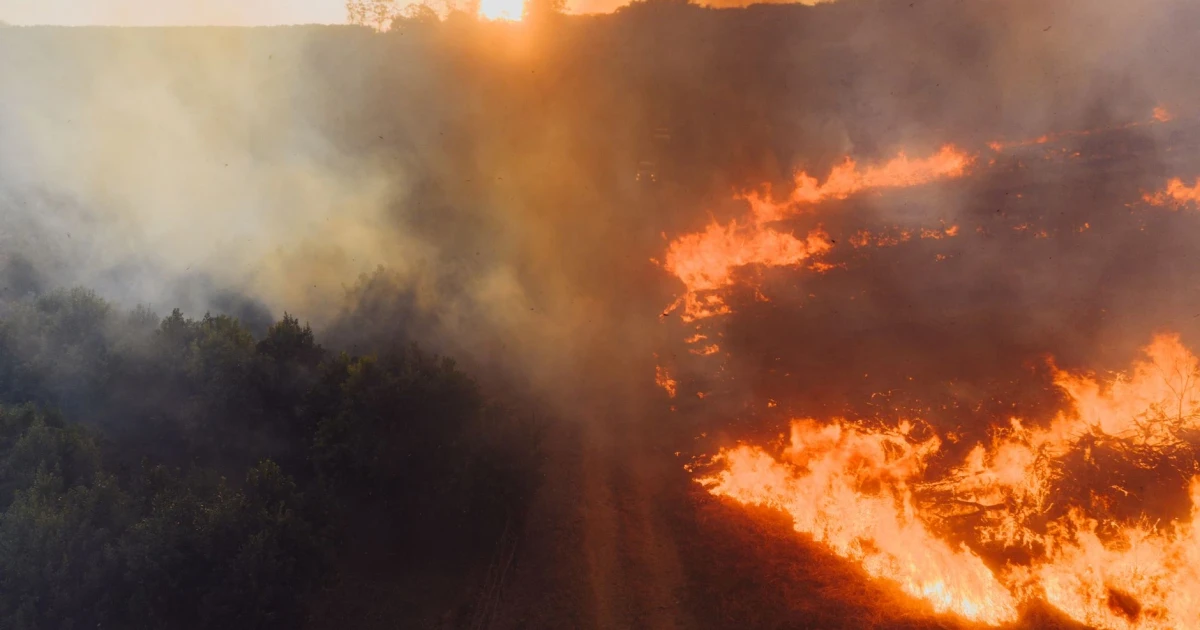
The National Weather Service issued a heat advisory for northwest Washington, including Whatcom County, on Aug. 2, underscoring how smoke and extreme heat were hitting the region at the same time. Even as fire weather improved in parts of the Pacific Northwest, wildfire smoke from dozens of fires burning across Oregon, Washington and British Columbia kept air quality unhealthy across much of the area.
Washington’s own smoke tracking effort said the danger had not passed. The Washington Smoke Blog, a partnership among state, county and federal agencies and Tribes, warned on July 31 that an extremely critical fire weather pattern and worsening smoke were expected that weekend, with a Particularly Dangerous Situation Red Flag Warning in effect across much of Central and Eastern Washington. The same period brought an emergency burn ban across Washington, which the Washington State Department of Ecology said would remain in place until noon Wednesday, Sept. 30.
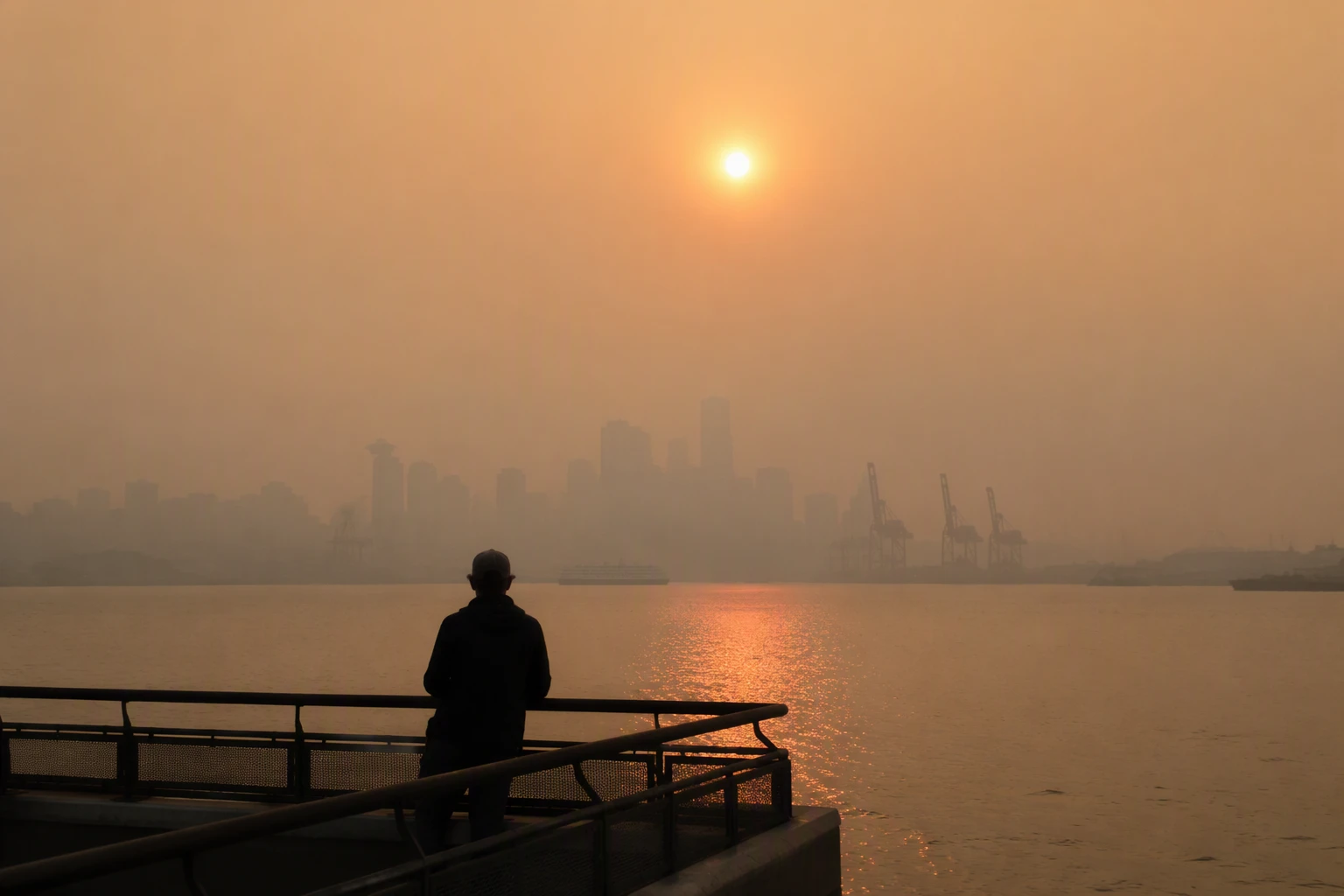
The smoke problem was not limited to one corner of the state. FOX 13 Seattle published a Washington wildfire smoke forecast and air-quality map on July 21 and updated it on July 24, warning that wildfires and smoke could affect air quality across Washington. That forecast reflected the spread of smoke from the regional fire load, not just the flames themselves, and it showed why conditions could stay hazy long after fire weather began to ease.
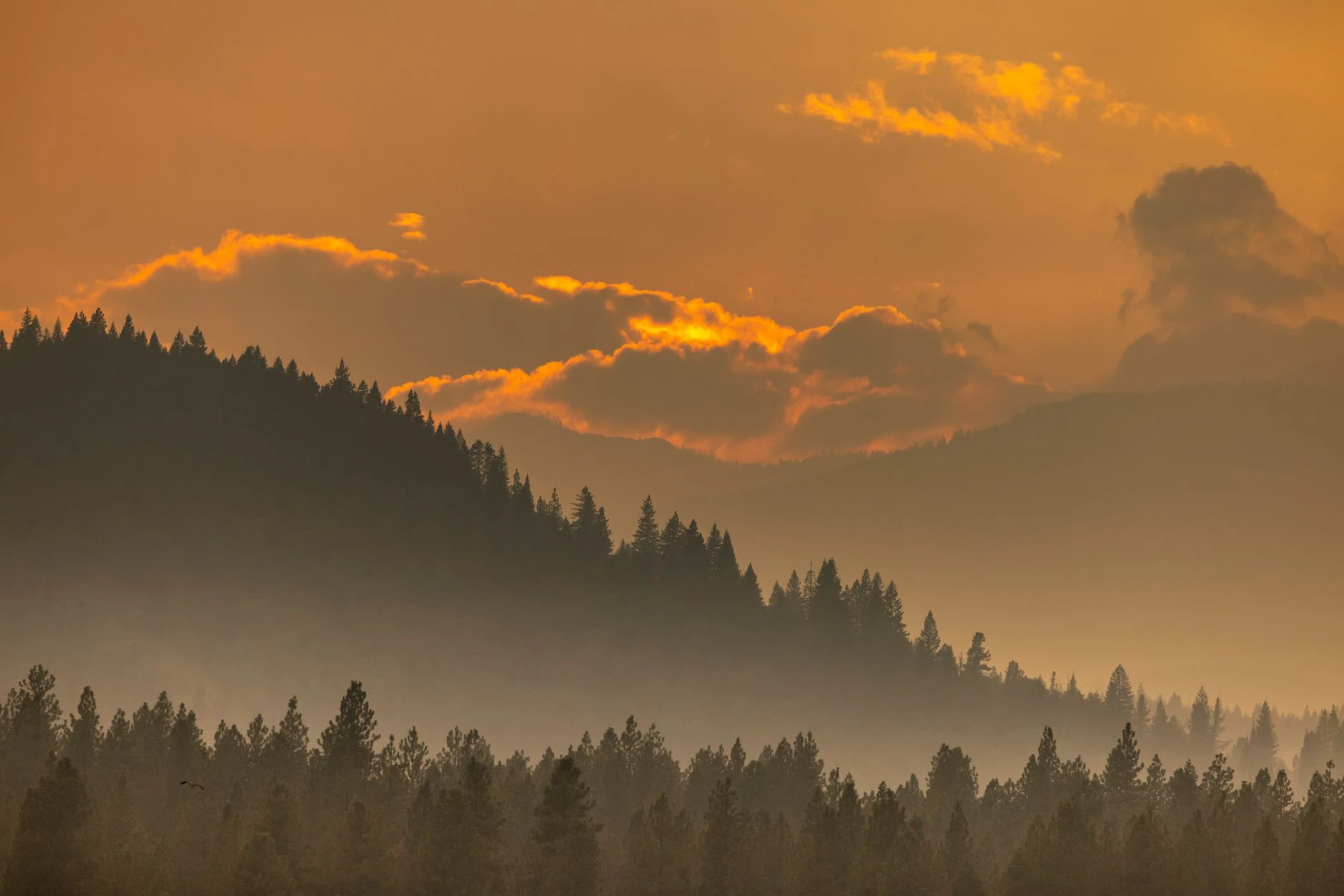
The broader smoke outbreak had already reached well beyond the Northwest. Reuters reported on July 16 that Canadian wildfire smoke was blanketing parts of the U.S. Midwest and Northeast with hazardous air, and on July 31 that wildfire emissions were soaring and exposing millions to worse air pollution. Yale Climate Connections described the episode as a dangerous and historic wildfire smoke pollution event.
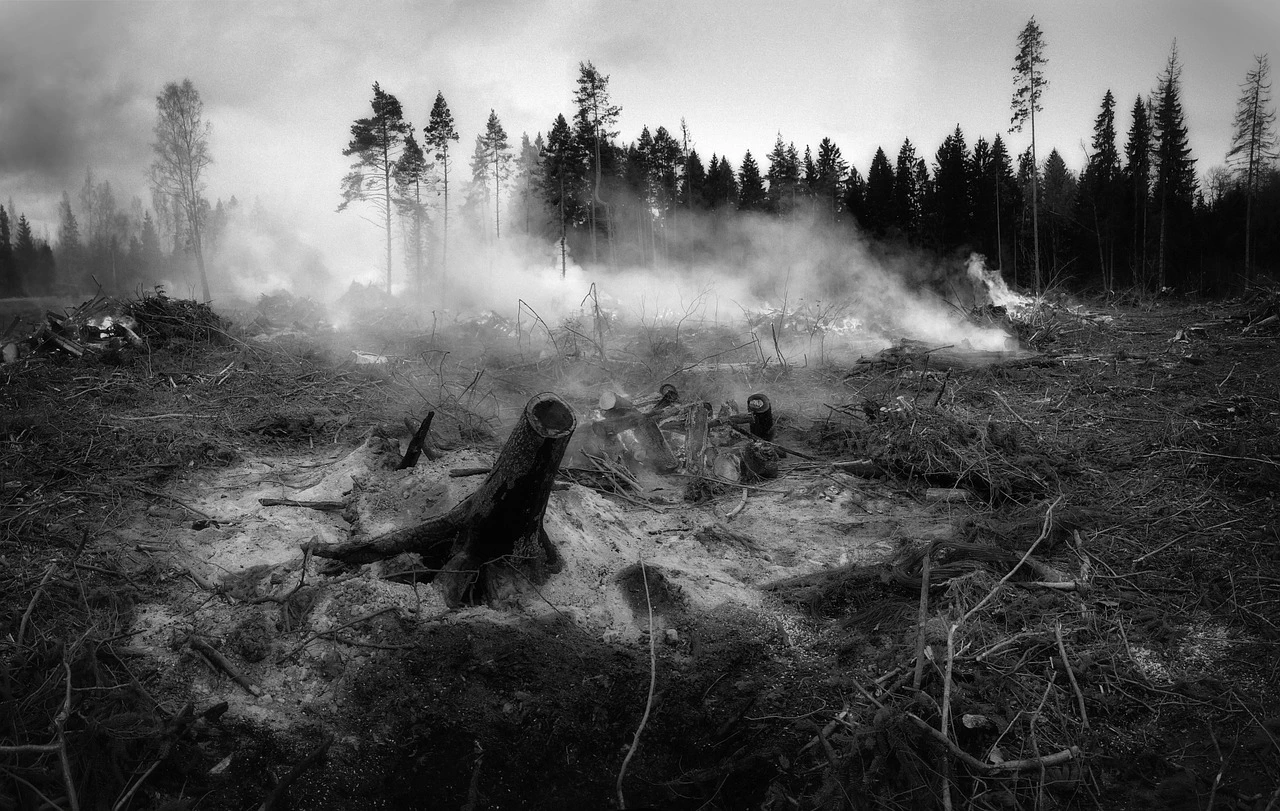
People with asthma or other respiratory conditions remained among the most vulnerable, especially when heat and smoke overlapped and made outdoor activity and travel harder to avoid. Hot, dry and windy weather can still worsen fire conditions, but the lingering smoke plume can keep air unhealthy even after the headline fire threat begins to fade.