Lifestyle
Wildfires Disrupt Mexican Tourism as Travelers Seek Safer Destinations
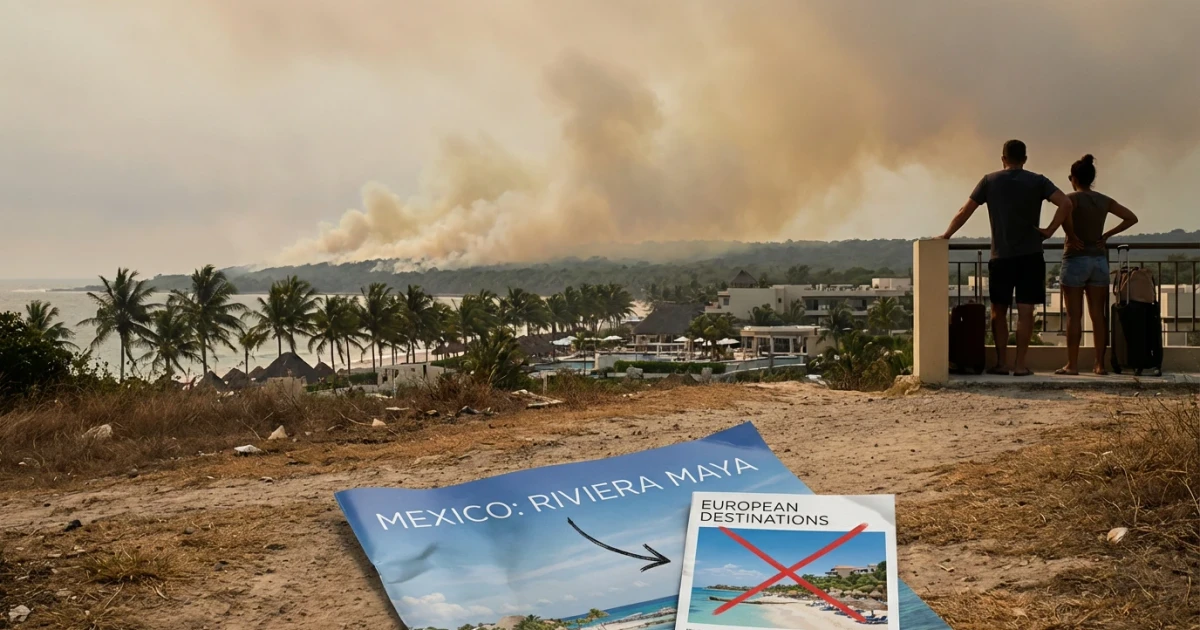
Wildfires sweeping through parts of Mexico have upended travel plans for thousands of tourists, raising urgent questions about safety, rebooking strategies, and the shifting landscape of global vacation trends. As fire seasons intensify, travelers and the tourism industry are adapting to a reality where once-popular destinations can quickly become disaster zones, prompting a renewed focus on emergency preparedness and flexible travel choices.
Mexican Destinations Face Wildfire Threat
According to reports from the Wall Street Journal, several prominent vacation spots in Mexico have recently been impacted by forest fires, with tourists in regions such as Quintana Roo and Baja California Sur facing evacuations, flight cancellations, and rapidly changing conditions. Government data from Protección Civil México and CENAPRED confirm a surge in wildfire incidents during peak tourist season, with dozens of active fires reported across multiple states. The National Interagency Fire Center provides historical context showing that wildfires have become more frequent and severe in North America, exacerbated by drought and climate change.
- Thousands of travelers have experienced disrupted itineraries due to airport closures and roadblocks.
- Many resorts and local authorities have implemented emergency protocols, including mandatory evacuations and shelter-in-place advisories.
- Tourism-dependent communities are facing economic uncertainty as cancellations rise. Statista reports that tourism accounts for roughly 8% of Mexico’s GDP, highlighting the broad impact of these disasters.
What Should Travelers Do?
The CDC and U.S. State Department advise travelers to monitor official channels for updated advisories and be prepared to adjust plans quickly. The most important steps include:
- Registering with your embassy or consulate upon arrival.
- Staying informed through local news and weather alerts.
- Keeping travel documents and emergency contacts accessible.
- Reviewing insurance policies for coverage of natural disasters and trip interruptions.
Travelers caught in affected zones have often found airlines and hotels offering waivers or flexible rebooking options, though policies can vary. Experts recommend booking with providers that offer clear cancellation terms and considering travel insurance that covers natural disasters.
Changing Travel Preferences and the European Alternative
As wildfires threaten the stability of Mexican tourism, many travelers are re-evaluating their vacation choices. Recent coverage by Vogue highlights a growing trend of tourists opting for European destinations, drawn by perceptions of safety, cultural cachet, and diverse experiences. The magazine’s analysis suggests that where people choose to vacation increasingly reflects their values and risk tolerance, with some travelers prioritizing destinations known for robust infrastructure and crisis management.
This shift is echoed in booking data and travel industry reports, which show rising interest in Mediterranean and Northern European countries during periods of instability in other regions. The allure of European destinations is further amplified by the desire for predictability and the ability to immerse in history, cuisine, and art—qualities that remain relatively unaffected by natural disasters.
Industry Response and Future Outlook
Mexican authorities and international agencies are intensifying efforts to improve wildfire detection, emergency response, and public communication. Initiatives detailed by the Center for Disaster Philanthropy emphasize the importance of investment in fire prevention and resilience, especially as climate change continues to alter traditional patterns of risk.
For travelers, the evolving risks underscore the need for flexibility and proactive planning. As one recent analysis put it, "Your choice of destination increasingly says as much about your approach to uncertainty as it does about your taste in beaches or architecture." The tourism sector, meanwhile, must continue adapting to ensure that both safety and the economic lifeblood of popular regions are protected.
Looking Ahead
While wildfires remain an unpredictable threat, their growing impact on travel underscores the interconnectedness of climate, safety, and tourism. As vacationers weigh their options, destinations with robust emergency preparedness and clear communication are likely to remain attractive. For now, the advice is clear: stay informed, stay flexible, and prioritize safety when planning your next adventure.