Health
William H. Foege, Architect of Smallpox Eradication, Dies at 89: A Legacy Remembered
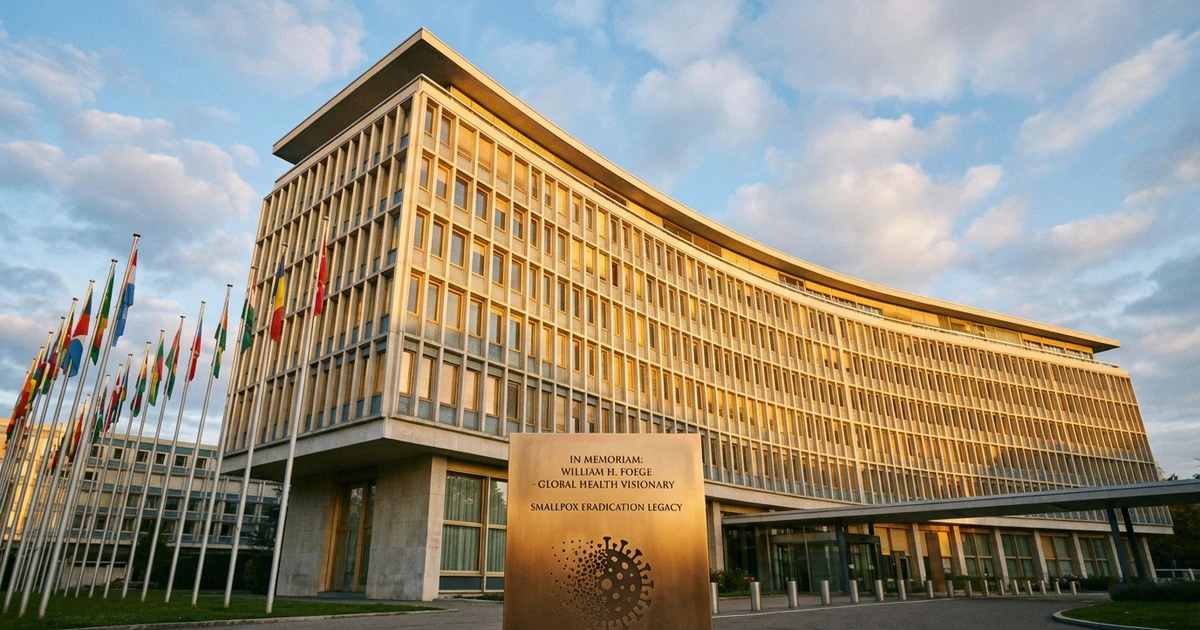
William H. Foege, the renowned epidemiologist whose innovative strategies were instrumental in eradicating smallpox worldwide, has died at the age of 89. Foege's pioneering work in global health leaves a profound legacy that continues to shape disease control practices today.
The Man Behind the End of Smallpox
Throughout the 1960s and 1970s, smallpox was a devastating disease, claiming millions of lives across continents. Smallpox was long considered one of humanity's deadliest scourges, and its eradication stands as a landmark achievement in modern medicine. Foege played a vital role in this victory, both through his scientific acumen and his ability to mobilize international cooperation.
Foege's approach, known as "ring vaccination," revolutionized the fight against infectious disease. Rather than attempting to vaccinate entire populations, Foege focused on quickly identifying outbreaks and creating a protective "ring" of vaccinated individuals around each case. This targeted strategy proved more effective and resource-efficient than previous mass vaccination campaigns, especially in regions with limited public health infrastructure.
Global Impact and Lasting Influence
- Foege’s leadership in the World Health Organization’s smallpox eradication program helped bring the disease to its official end in 1980.
- His strategies have since informed campaigns against diseases such as polio, Guinea worm, and Ebola.
- He served as director of the U.S. Centers for Disease Control and Prevention (CDC), further shaping public health policy and practice.
Foege's work demonstrated the power of data-driven, community-focused interventions. He emphasized the importance of surveillance, rapid response, and local engagement—principles that are now foundational in epidemiology and infectious disease control.
A Career of Service and Advocacy
Beyond his technical contributions, Foege was known for his commitment to health equity and social justice. He advocated for strengthening health systems in low-income countries and championed the idea that disease prevention is a fundamental human right. His influence extended to mentoring a generation of public health leaders, who continue to advance his vision of a healthier, more equitable world.
Remembering a Public Health Giant
William H. Foege’s passing marks the end of an era in global health. His legacy lives on through the millions of lives saved by the eradication of smallpox and the ongoing efforts to combat infectious diseases worldwide. The principles he established remain a guiding light for epidemiologists, health workers, and policymakers facing today’s global health challenges.
As the world reflects on his extraordinary life, Foege’s work serves as both inspiration and blueprint for the continued pursuit of disease eradication and health for all.