US News
Wilmington’s 1898 coup erased a thriving Black political order
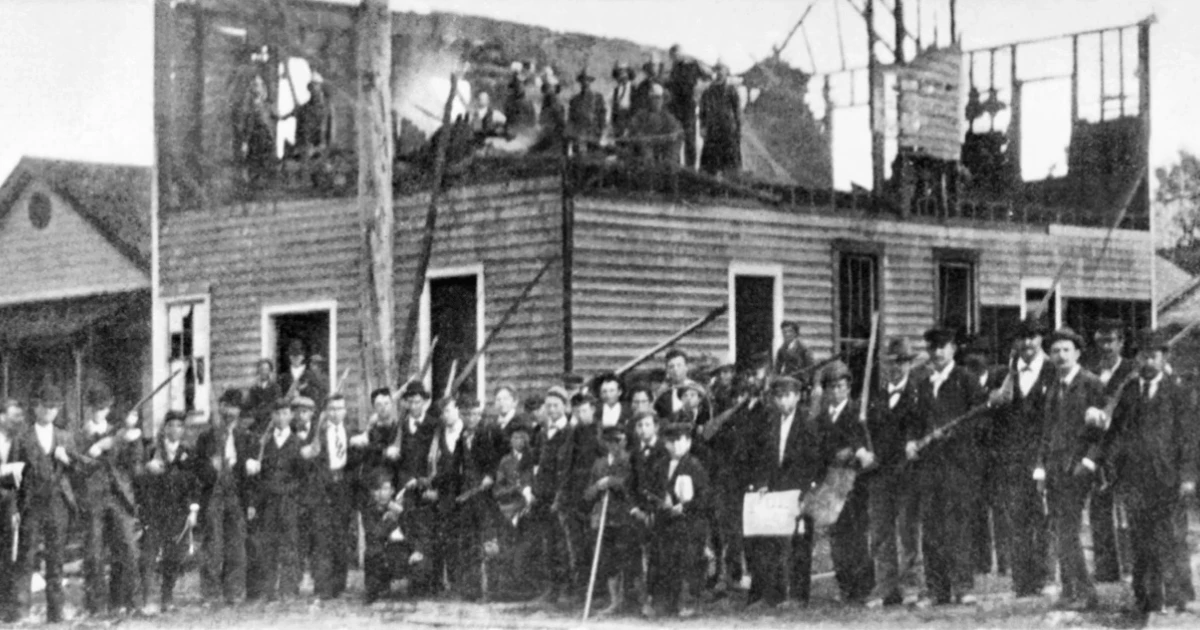
Wilmington’s Black political order was destroyed in a single day of violence, but the takeover was planned long before armed white mobs marched on City Hall. In 1898, Wilmington was North Carolina’s largest city, with 20,055 residents, including 11,324 Black people and 8,731 white people, and its port wealth had made it a center of Black political power as well as white resentment.
The coup grew out of a coordinated Democratic drive to restore white supremacy after Fusionist Republicans and Populists won the General Assembly in 1894 and sent Daniel Russell to the governor’s office in 1896. In Wilmington, that fusion coalition had put Black residents into public office and city jobs: four Black aldermen served among ten, and Black officers were part of the police force. That multiracial government became the target.
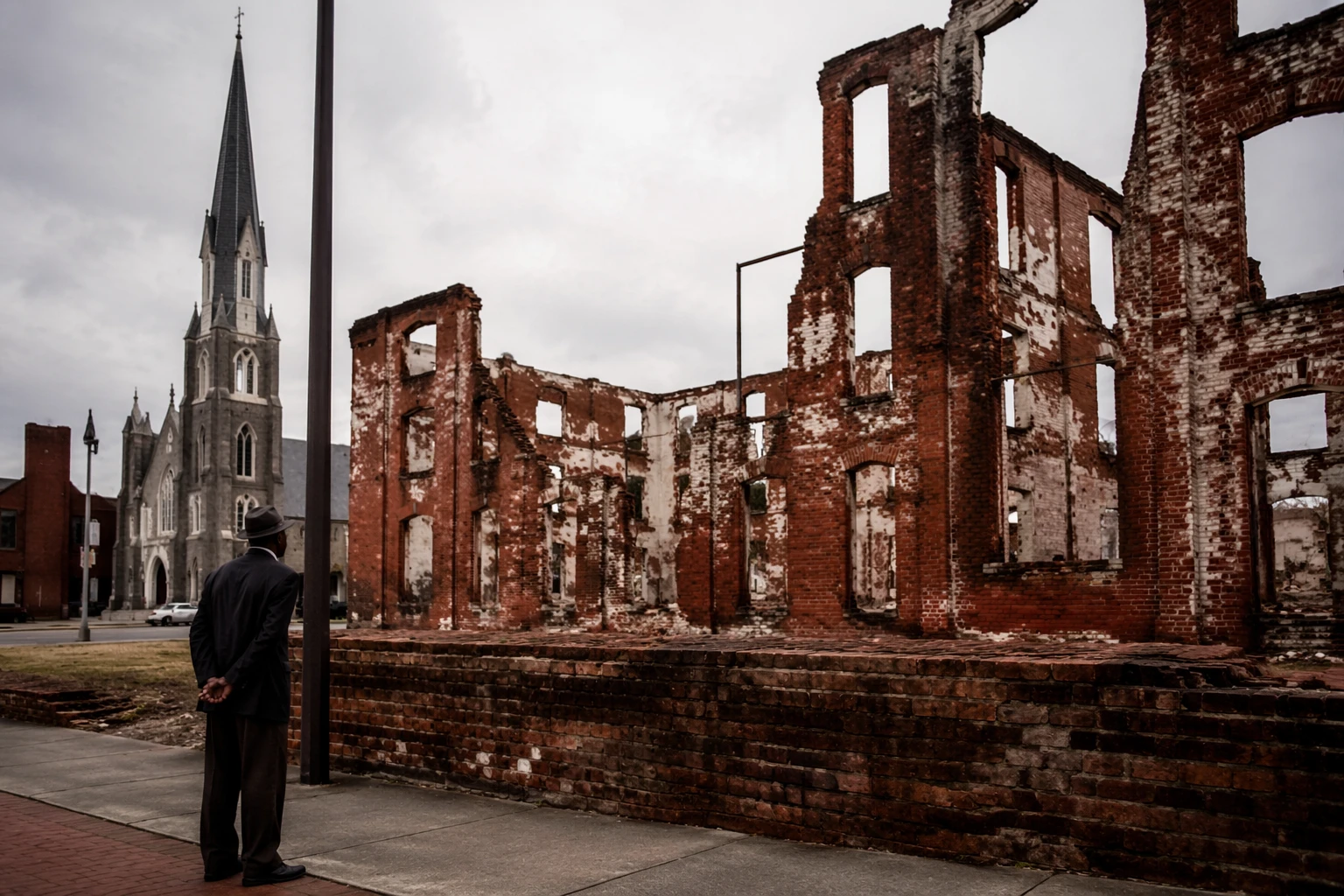
The propaganda campaign that prepared the attack sharpened in August 1898, when Alexander L. Manly’s editorial in the black-owned Daily Record enraged white leaders and gave the movement a new rallying point. On November 10, 1898, armed white mobs seized the city government, destroyed the Daily Record office, and unleashed terror on Black Wilmingtonians. The event is now recognized not as a spontaneous riot but as a coup, and many historians and institutions describe it as the only successful overthrow of a domestic government in American history.
The killing remains impossible to pin down with certainty because the record was shattered along with the city’s Black institutions. State materials have cited the coroner’s count of 14 dead, while other accounts describe scores or even hundreds of deaths. Britannica estimates that as many as 60 Black Americans were killed. The scale of the violence was matched by its political purpose: Black merchants and workers lost jobs, income, and access to capital, and Black businesses moved or closed.
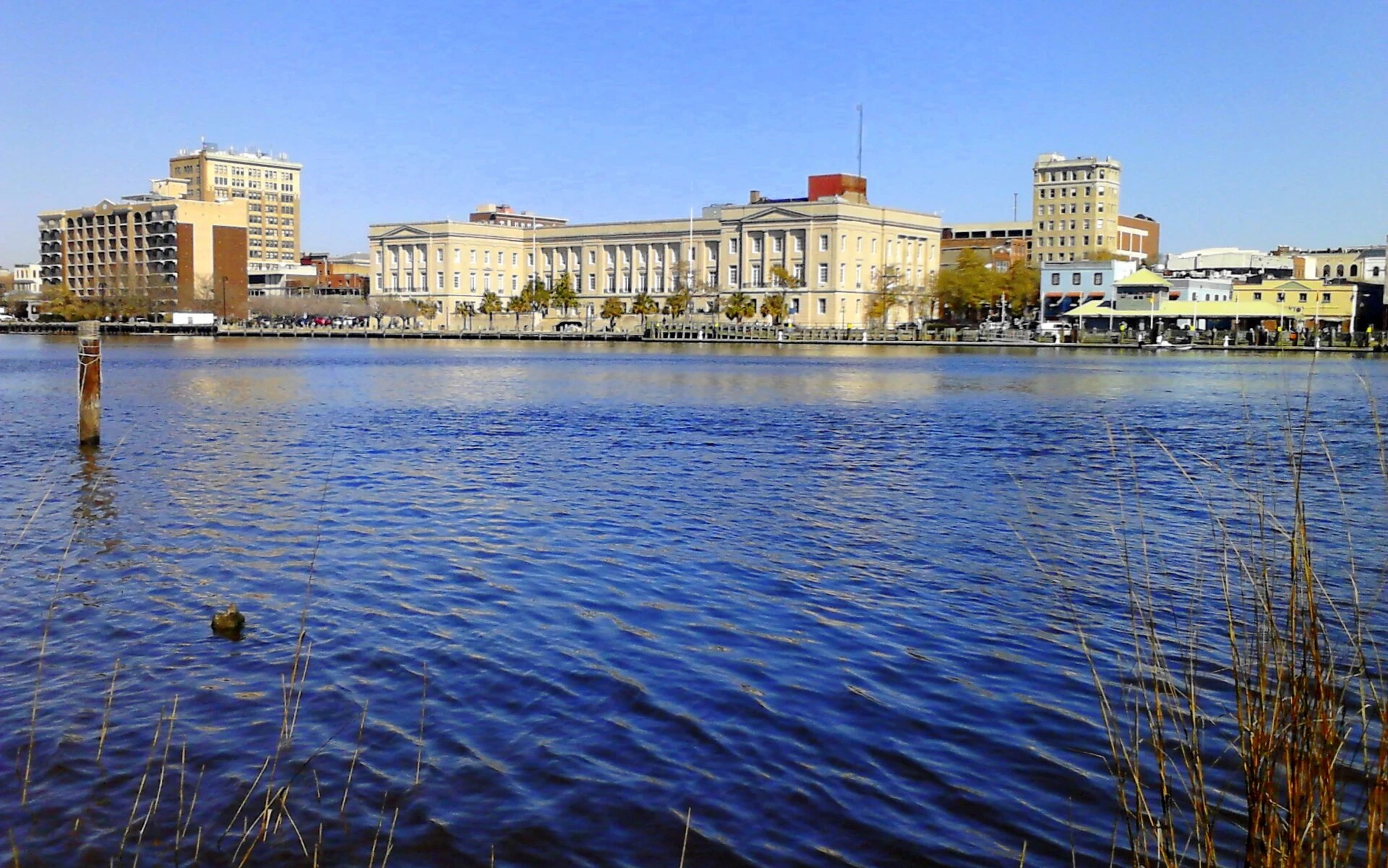
A 2006 state commission found that about 2,100 Black residents fled Wilmington after the coup, scattering families and hollowing out a community that had helped build the city’s prosperity. More than a century later, the episode remains central to state historical work, museum exhibits, public commemoration, and efforts by the North Carolina Department of Natural and Cultural Resources, the North Carolina Office of Archives and History, and the 1898 Wilmington Race Riot Commission to recover the names of victims and survivors.
Sources
- [1]cbsnews.com
- [2]ncpedia.org
- [3]dncr.nc.gov
- [4]uncw.edu
- [5]people.uncw.edu
- [6]pbs.org
- [7]eji.org
- [8]britannica.com