Sports
Wimbledon’s 2016 golden weekend still defines British tennis legacy
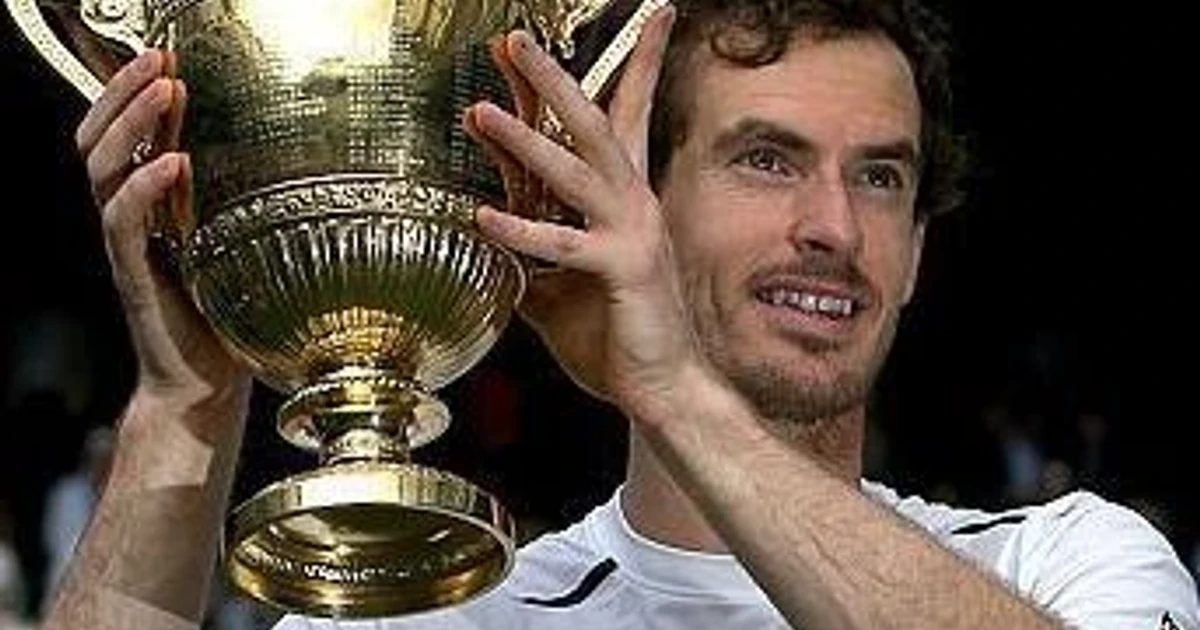
The five-title Wimbledon weekend was bigger than one champion. At the 2016 Championships, British players lifted trophies across the gentlemen’s singles, the inaugural wheelchair men’s singles, mixed doubles and men’s wheelchair doubles, while Serena Williams won the women’s singles and total prize money reached £28.1 million.
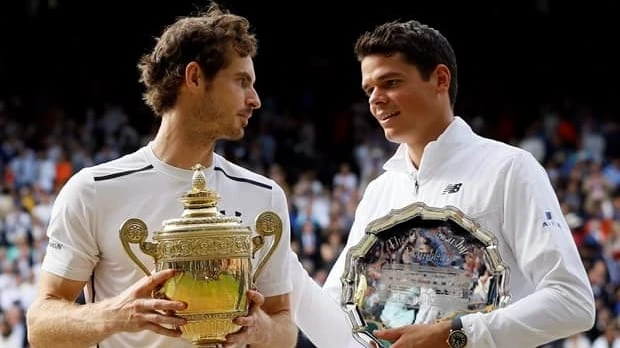
The tournament ran from 27 June to 10 July 2016, and its closing Sunday delivered the sharpest snapshot of the haul. Andy Murray beat Milos Raonic 6-4, 7-6(3), 7-6(2) to claim the gentlemen’s singles title, Gordon Reid defeated Stefan Olsson 6-1, 6-4 to win the first Wimbledon wheelchair men’s singles crown, Heather Watson and Henri Kontinen beat Robert Farah and Anna-Lena Grönefeld 7-6(5), 6-4 in the mixed doubles final, and Alfie Hewett and Reid added the men’s wheelchair doubles title.
The weekend that widened British tennis
Murray’s victory still carries the heaviest historical weight. It was his second Wimbledon title and his third Grand Slam title overall, and it made him the first British men’s singles champion at Wimbledon since Fred Perry in 1936. That matters because it is the one result from the weekend that still feeds the old national narrative, but it does not explain the scale of what British tennis gained that day.
Watson’s run told a different story. Wimbledon’s own archive marked her as the first British woman in almost 30 years to reach the mixed doubles final after Jo Durie won the event with Jeremy Bates in 1987, and Watson and Kontinen converted that final into a title with a straight-sets win. The result pushed British success beyond singles mythology and into a discipline, mixed doubles, where Britain has continued to produce serious contenders.
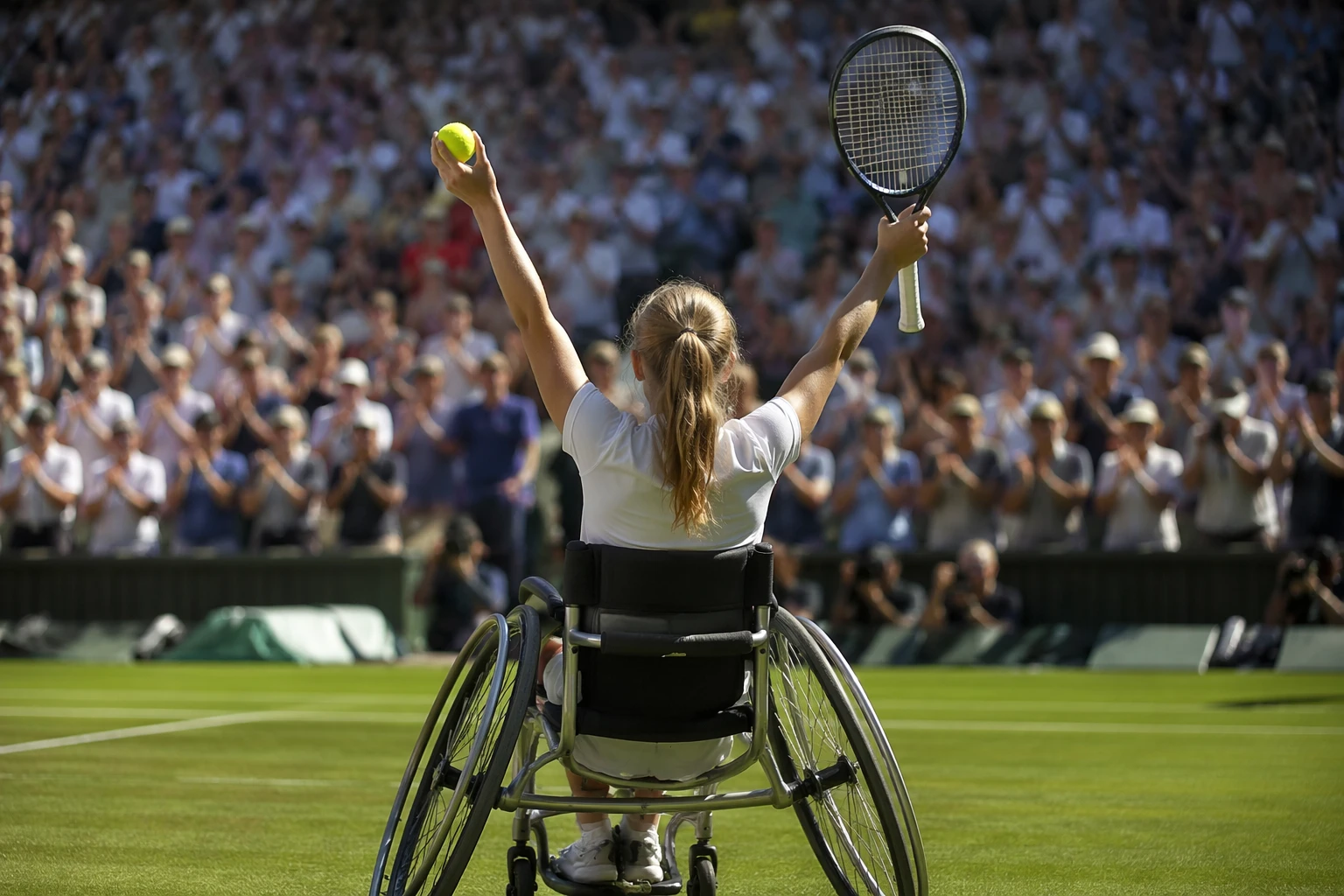
Reid’s singles win was more structural than symbolic. Wimbledon staged wheelchair singles for the first time in 2016, and the All England Club’s archive recorded Reid holding the inaugural gentlemen’s wheelchair singles trophy after his title run. The same archive also showed Hewett and Reid with the gentlemen’s wheelchair doubles trophy, which meant the weekend was not a one-off burst of sentiment, but the opening of a new competitive lane in which Britain immediately had players capable of winning.
What changed after SW19
The clearest legacy sits in wheelchair tennis and doubles, not in a permanent flood of British men’s singles champions. The ITF’s wheelchair preview says Wimbledon has kept men’s and women’s wheelchair singles on the programme since 2016, with quad singles added later in 2019, so the sport that Reid helped inaugurate became a fixed part of the Championships rather than a ceremonial add-on. Britain’s senior wheelchair pair have stayed central to that landscape, with the LTA noting in its 2025 season review that Hewett and Reid kept extending their doubles dominance on the biggest stages.
The numbers in the current game point the same way. In 2025, British players won 284 unique titles across the professional tours, with 154 in doubles and 66 in wheelchair tennis. The same season review said Britain had 100 different title winners, while Julian Cash and Lloyd Glasspool became the first all-British Wimbledon men’s doubles champions in 89 years, proof that the country’s strongest recent gains have been in partnerships, not just singles.
The money and machinery behind the legacy
The weekend’s legacy also depends on money moving through the system. The LTA’s 2025 annual report said adult annual tennis participation rose to 5.8 million in summer 2025, the highest figure recorded, and the same report said Wimbledon surplus income made up 46.5 percent of LTA income, down from nearly 60 percent in 2018. That dependence still matters: the report says Wimbledon remains critical to the LTA’s ability to support British tennis, from grassroots activity to professional development.
The broader participation base has also widened. The LTA’s 2024-26 strategy said more than 700,000 children were playing tennis weekly, with 3.6 million children playing annually, while the annual report said the governing body donated £3 million to the LTA Tennis Foundation in 2025. Those figures suggest that the 2016 surge did not just create headlines at SW19; it helped support a wider ecosystem in parks, clubs and schools that now has to be maintained with hard funding decisions rather than nostalgia.
The pipeline now runs through more than one path
The LTA’s player pathway is built to catch talent early and keep it moving. Its current pathway supports performance players from ages 7 to 18, then into the Men’s & Women’s Programme for players aged 16 to 21, where support includes the Pro Transition Programme, junior grants, national player camps, travel grants, doubles support and wildcards into domestic events. The Pro Scholarship Programme sits above that, with tailored coaching, financial support and science-and-medicine backing for players who establish themselves in the ATP or WTA top 100 singles or top 30 doubles.
The coaching side has been built out as well. The LTA’s qualifications pathway runs from Level 1 through Level 5, with performance-specific options from Level 4 onward, while the performance coaching team supports coaches working with players on the pathway. That matters because legacy in tennis is not just about producing one champion; it is about whether the coach education system can keep producing people capable of developing the next one.
The current names show that the system is broader than the Murray era stereotype. The 2025 LTA Player of the Year awards went to Katie Boulter, Jack Draper, Henry Patten and Alfie Hewett, while the junior honours went to Mika Stojsavljevic, Charlie Robertson and Ruben Harris. That mix, spread across singles, doubles, wheelchair tennis and juniors, is the clearest sign that the 2016 weekend left something more durable than a single centre-court myth: it helped normalize a wider definition of British success, even as the sport still relies on Wimbledon revenues to keep that pipeline open.
Sources
- [1]bbc.co.uk
- [2]itftennis.com
- [3]prod-foundation.lta.org.uk
- [4]bbc.com
- [5]wimbledon.com