Sports
Wimbledon’s all-white tradition faces World Cup’s kit spectacle
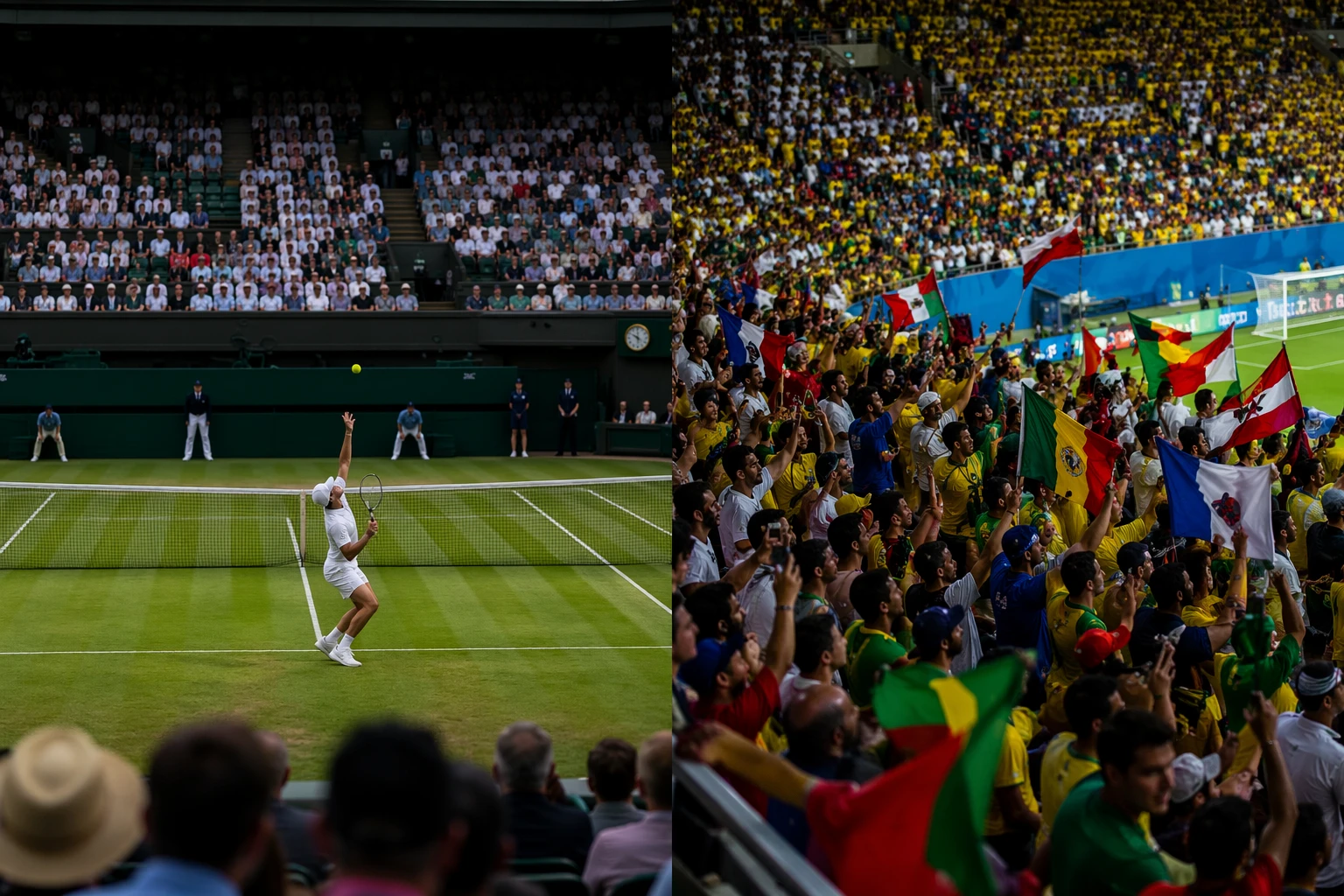
Wimbledon and the World Cup both sell drama, but they do it with radically different wardrobes. At the All England Lawn Tennis and Croquet Club in Wimbledon, London, the point is control: players wear all-white under one of sport’s strictest dress codes. The FIFA World Cup, by contrast, has become a global kit showcase, where shirts, host-city apparel, and official merchandise help turn the tournament into a rolling fashion campaign.
What Wimbledon’s whites are really saying
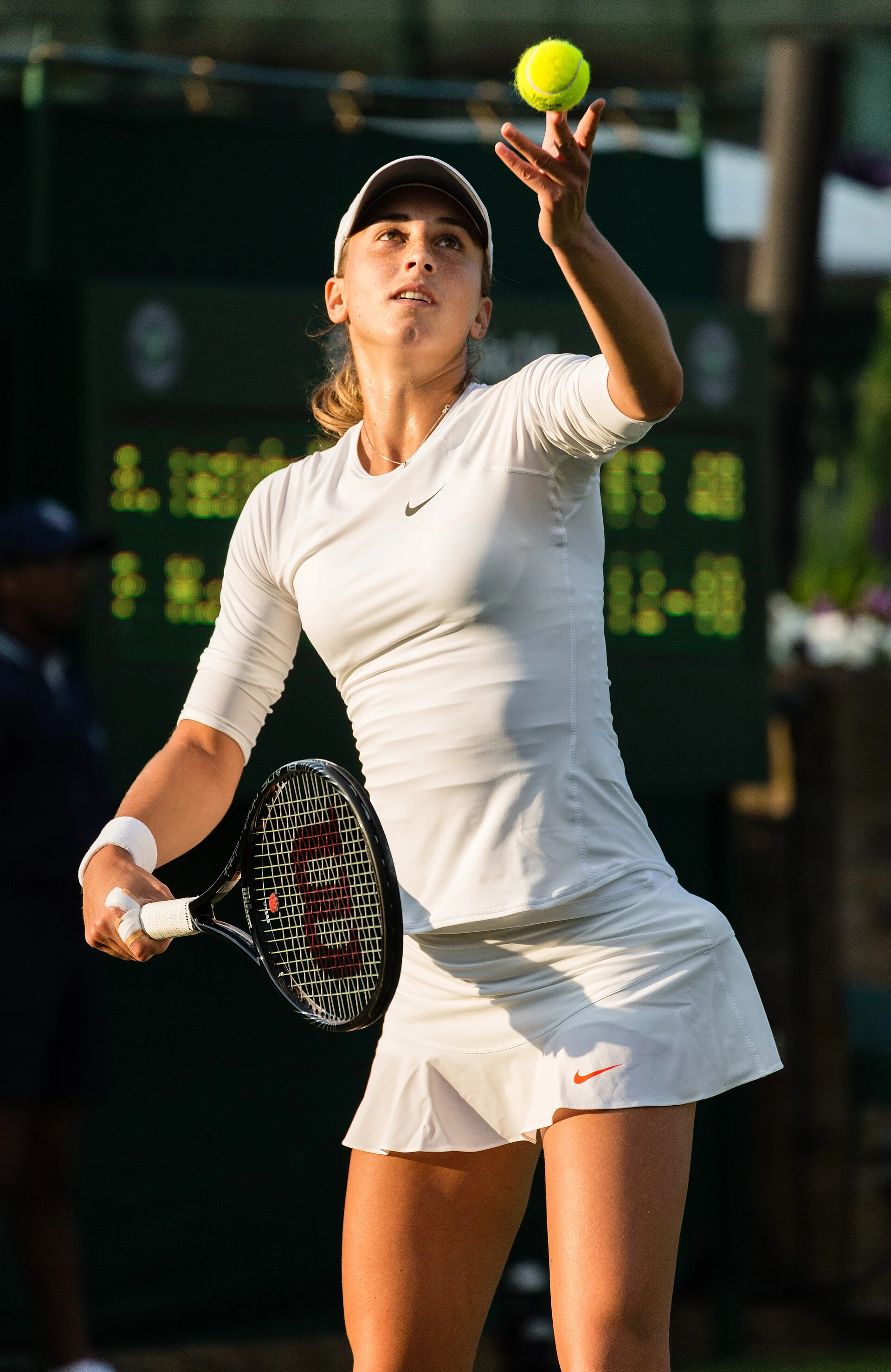
Wimbledon’s style is not just tradition for tradition’s sake. The Championships, founded in 1877, still carry a Victorian-era all-white rule that has been tightened over time, which is why the dress code remains one of the clearest symbols of conformity and prestige in global sport. The setting matters too: Church Road and the All England Club are as much part of the visual identity as the grass courts themselves.
That restraint is not neutral. White clothing codes have long carried class-coded ideas about cleanliness, refinement, and self-control, and Wimbledon preserves those associations in a modern, highly commercial sports economy. The tournament’s polish tells audiences that this is a place where heritage is curated, boundaries are policed, and individuality is allowed only within narrow limits.
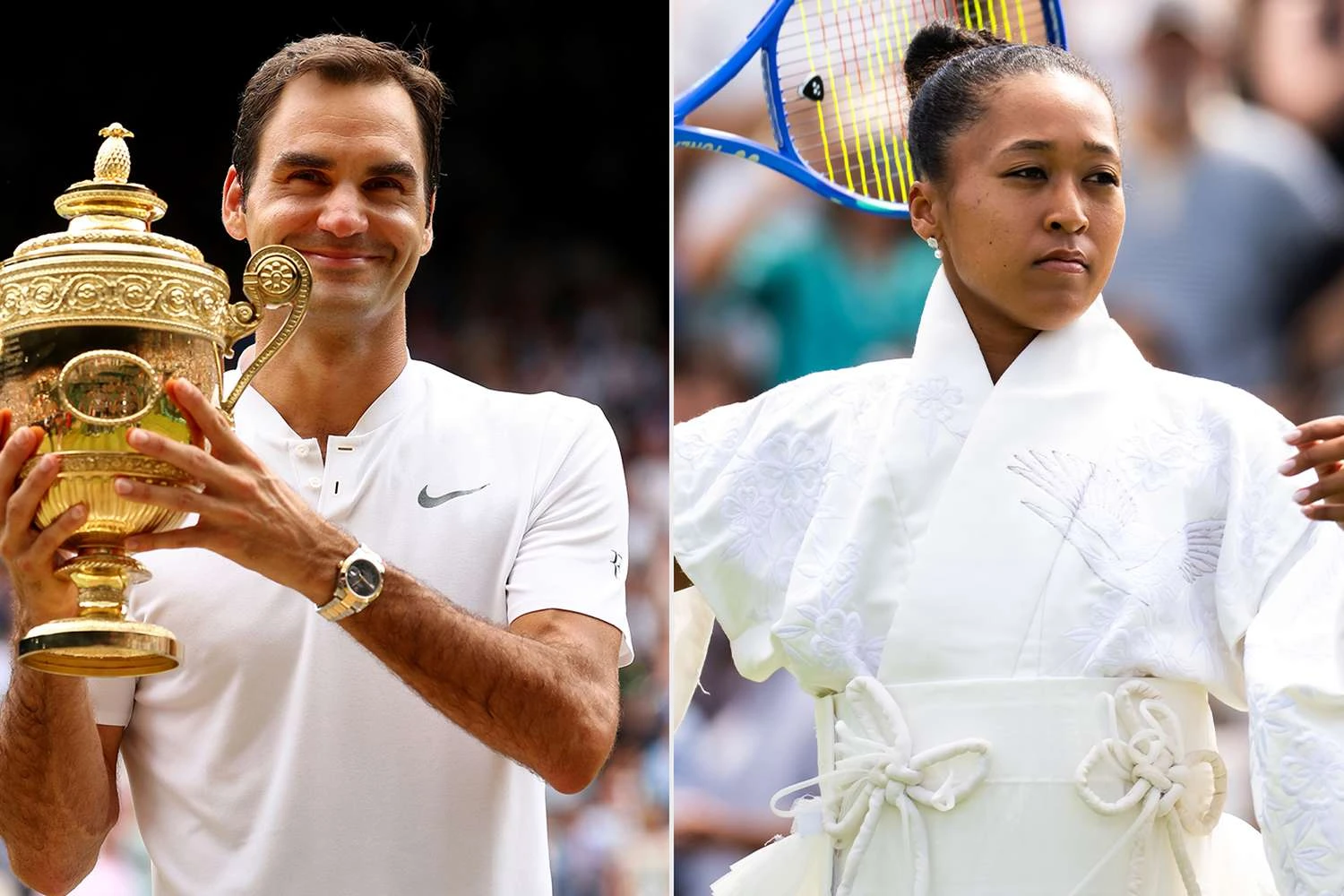
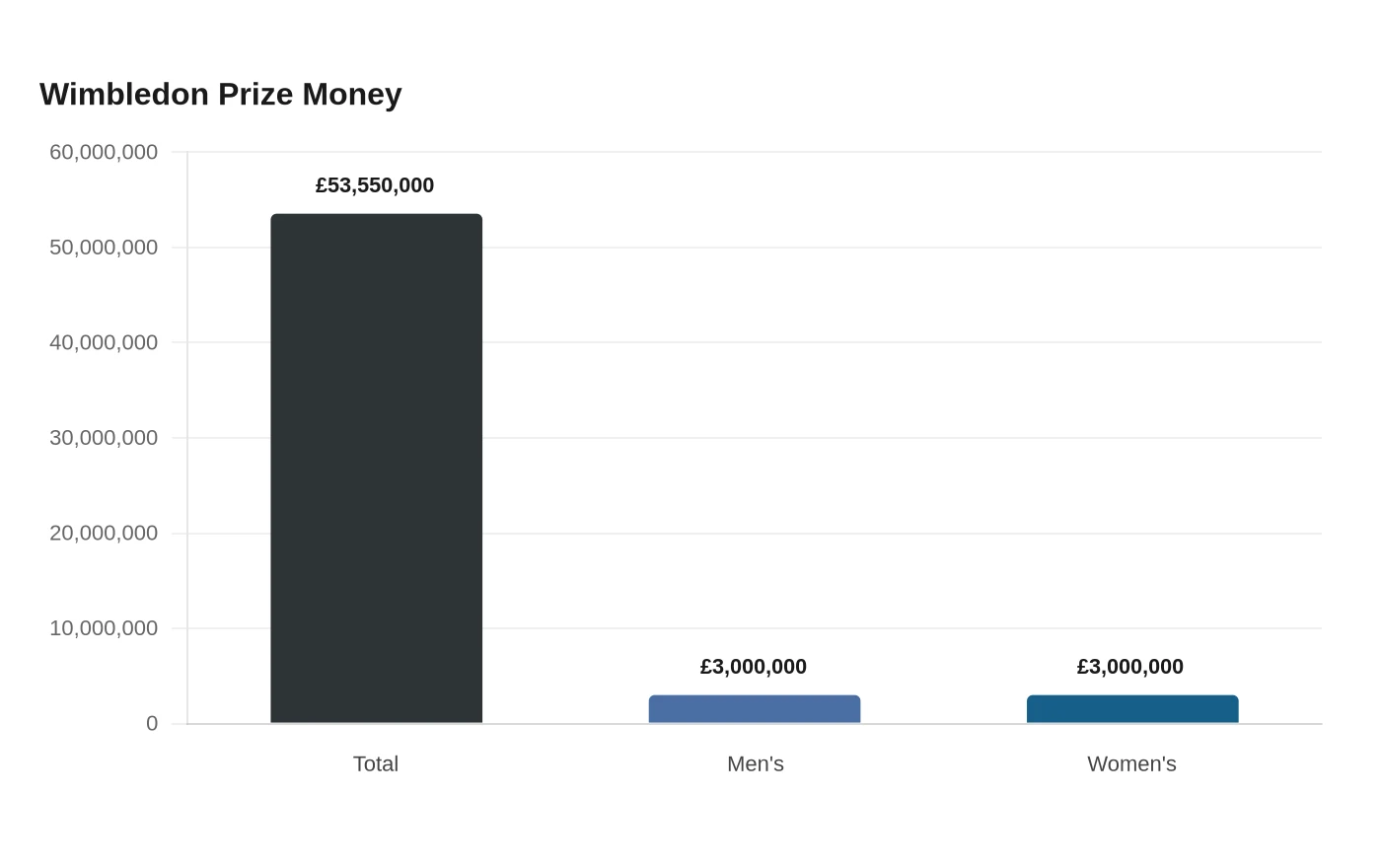
The 2025 Championships made that logic visible on a larger commercial stage. The tournament ran from 30 June to 13 July 2025, with prize money set at £53,550,000, and the men’s and women’s singles champions each received £3,000,000. Those numbers underline that Wimbledon is not a museum piece; it is a premium global event where tradition and elite reward reinforce one another.
How the World Cup turns clothing into identity
The World Cup operates from the opposite premise. The 2026 tournament is being staged across the United States, Canada and Mexico, and FIFA is already marketing official World Cup clothing and jerseys through its official store. That merchandising is not an accessory to the event. It is part of how the tournament builds anticipation, turning national colors, host-city designs, and replica shirts into symbols of belonging before a ball is even kicked.
Where Wimbledon’s look narrows the field, the World Cup widens it. Fans are invited to wear national identity, corporate branding, and tournament imagery all at once, and the kits are designed to travel across borders and markets. The official FIFA store’s clothing and jersey collections show how the event now functions as a retail platform as much as a sporting contest.
That difference changes the mood of the spectacle. Wimbledon asks players to minimize the body as an expression of order. The World Cup encourages visual excess, with design, color, and branding used to signal momentum and global reach. One event imagines an audience that values continuity; the other imagines a world audience that wants fresh drops, limited runs, and team-specific identity.
Class, nationalism, and the politics of who the clothes are for
These dress codes do more than create a look. Wimbledon’s all-white rule reflects a tradition that is historically tied to British elite culture, and its continued enforcement keeps the tournament’s social grammar intact. The uniformity creates a common frame for players, but it also marks the event as one where decorum is part of the product.
The World Cup’s shirts tell a different story about power. National-team kits are built to perform patriotism, but they are also commercial objects, designed to move through official retail channels and into global fan culture. In that sense, the tournament’s fashion language blends nationalism with merchandising in a way that Wimbledon largely resists.
This is where the contrast becomes most revealing. Wimbledon’s whites imply that prestige comes from limiting display. The World Cup suggests that prestige comes from circulation, from how widely a design can be worn, shared, and marketed. One event protects its aura by restricting expression; the other expands its aura by selling expression back to the public.
Why the style gap matters beyond aesthetics
The visual codes of these tournaments shape how each one is experienced by players, fans, and the wider public. Wimbledon’s dress code helps maintain a sense of ceremony and continuity at a venue that has been staged as a temple of tennis since 1877. The World Cup’s apparel strategy builds a more open, more commercial identity across the United States, Canada and Mexico, where the tournament’s fashion releases are part of the event’s broader cultural build-up.
That difference also points to different ideas of audience. Wimbledon speaks to viewers who are expected to read restraint as sophistication, and to accept the all-white rule as part of the price of entry into prestige sport. The World Cup speaks to a mass, international market that is meant to buy into identity through jerseys, host-city apparel, and branded clothing.
Seen side by side, the two events map competing visions of modern sport. Wimbledon’s whites preserve hierarchy through discipline, while the World Cup’s shirts convert belonging into a marketable spectacle. Together they show that fashion in sport is never just decoration. It is one of the clearest ways major institutions explain who they are, who they want to reach, and what kind of world they think they represent.
Sources
- [1]bbc.co.uk
- [2]atptour.com
- [3]wimbledon.com
- [4]store.fifa.com
- [5]wikipedia.org