Sports
Wimbledon’s ritual masks a fierce sporting battle beneath the polish
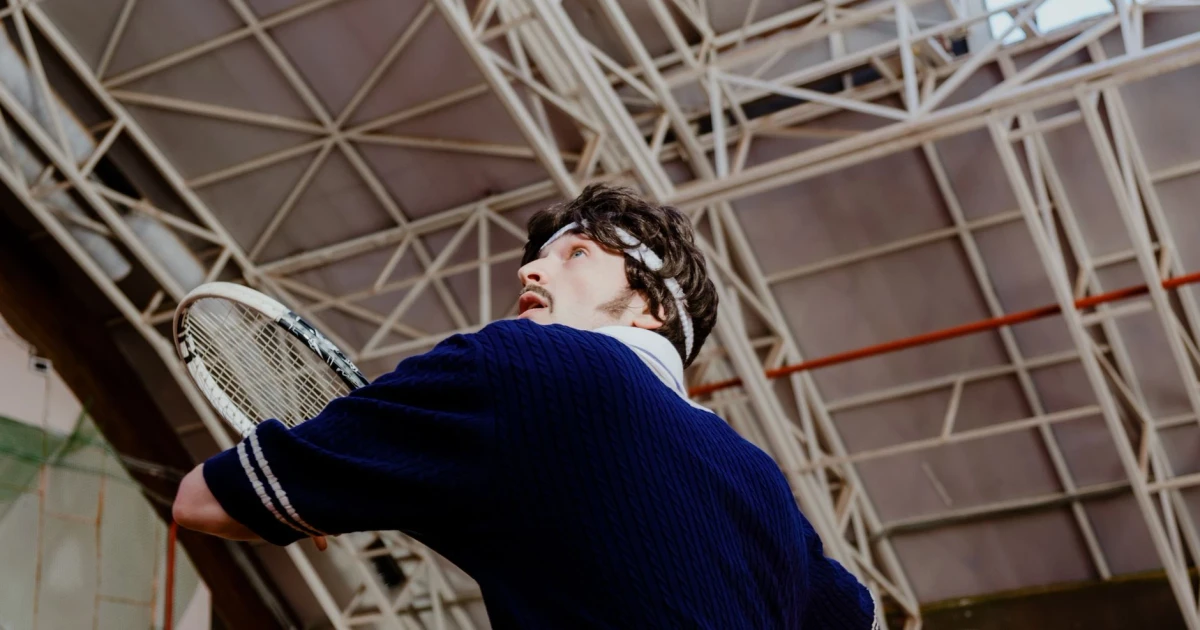
Wimbledon’s polish is real, but it is only the first layer. The white kit, the hats, the strawberries and cream, and the Royal Box all signal ceremony, yet the tournament underneath is an unforgiving test of nerve, stamina and precision played across Centre Court and the rest of SW19. This year’s Championships made that contrast especially sharp: a rare sporting theatre where elegance never softens the stakes.
The ritual that frames the contest
The Championships began in 1877, and that long history still shapes the mood around the All England Club. Strawberries and cream have been part of the experience since that first edition, and the familiar details remain part of Wimbledon’s identity: players in white, spectators in elaborate hats, and royal appearances that keep the event tied to its ceremonial roots. The Royal Box has been used for invited guests since 1922 and seats approximately 80 people at the south end of Centre Court, a compact reminder of how closely prestige and access are managed here.
That setting matters because the visual language of Wimbledon can make the competition seem gentler than it is. The grounds look calm, ordered and almost stately, but the tournament is staged over 14 days, from Monday 29 June to Sunday 12 July 2026, and that schedule compresses pressure across singles, doubles, mixed doubles, juniors and wheelchair events. The result is not a garden party with tennis attached. It is a vast competitive machine, with roughly 675 matches spread across all categories.
The contrast becomes even starker when Wimbledon is seen beside another giant sporting spectacle. Its most formal scenes can sit visually opposite the scale and noise of the FIFA World Cup, which only heightens how distinct Wimbledon feels: a very British public ritual, but one powered by the same global appetite for victory, loss and consequence.
The numbers behind the pageantry
Wimbledon’s prize money tells its own story about scale. The 2026 total fund reached a record £64.2 million, up 20% from 2025, and the figures at both ends of the draw show how much is at stake from the first ball struck. Each singles champion received £3.6 million, while first-round losers took home £80,000.
Those numbers do more than reward success. They reflect the financial weight of a tournament that must sustain elite competition across multiple draws, with enough depth to keep matches meaningful from the opening rounds to the finals. The spread also shows how narrowly the margins can be defined at Wimbledon. A player can leave with £80,000 and the memory of a single early defeat, while another walks away with millions after surviving two weeks of pressure on grass, the sport’s fastest and most unforgiving Grand Slam surface.
That financial backdrop gives the tournament’s visual calm a sharper edge. The pristine lawns, the strict dress code and the sense of tradition do not reduce the stakes. They frame them, making every serve, return and pause between points feel more exposed.
The photographs that reveal the strain
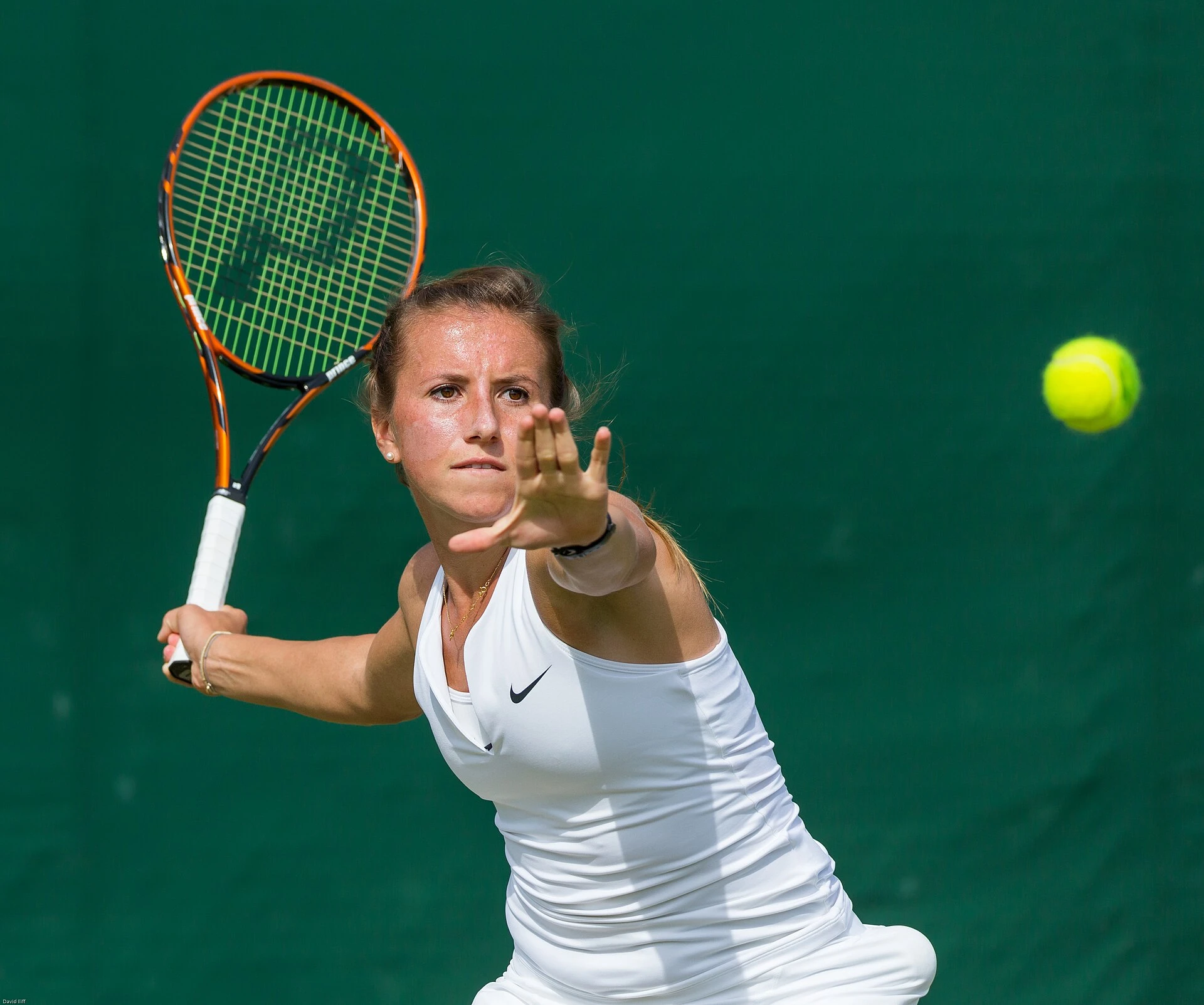
The strongest images from Wimbledon are often the least polished. A photo sequence from the tournament captures the silence before a serve, the concentration at the net, the relief of a winner and the collapse in body language after defeat. Those frames matter because they show what the ceremony cannot hide: Wimbledon is a place where every match is carried by physical effort and psychological load.
Alexandra Eala’s third-round victory over Iga Swiatek was one of the tournament’s most striking moments. Eala beat the defending champion 7-6(9), 6-2 and became the first Filipino to reach the fourth round of a Grand Slam. One image shows the athletic desperation beneath the surface calm, with Eala falling as she tried to return a forehand against Swiatek. It is a reminder that a single point at Wimbledon can produce both breakthrough and bodily sacrifice.
Other images carry the same tension in different forms. Otto Virtanen, framed at a courtside barrier, reads as a study in frustration during a hard-fought first-round match. Naomi Osaka’s run to the quarter-finals adds another layer, with the former champion’s presence reinforcing how elite experience still has to be earned again on Wimbledon’s grass. The tournament does not preserve reputation; it tests it.
Centre Court’s final proof
The men’s final closed the tournament with another image of strain made visible. Jannik Sinner stretched mid-air against Alexander Zverev in a match that lasted 3 hours and 46 minutes, a length that underlines how far a final can push two of the sport’s best players. Sinner’s victory gave him his 100th Grand Slam match win and made him only the 10th man in the Open Era to successfully defend the Wimbledon men’s singles title.
That final carries the same lesson as the still photographs from earlier rounds: Wimbledon’s composure is not softness, and its tradition is not a cushion. The club’s rituals give the tournament its unmistakable identity, but the real drama comes from what those rituals contain, a two-week contest of endurance where the most polished stage in tennis still rewards the rawest competitive edge.
Sources
- [1]thestar.com.my
- [2]wimbledon.com
- [3]atptour.com