Technology
Windows 11’s 2026 Update Hits Turbulence: Users Face Crashes, Emergency Fixes
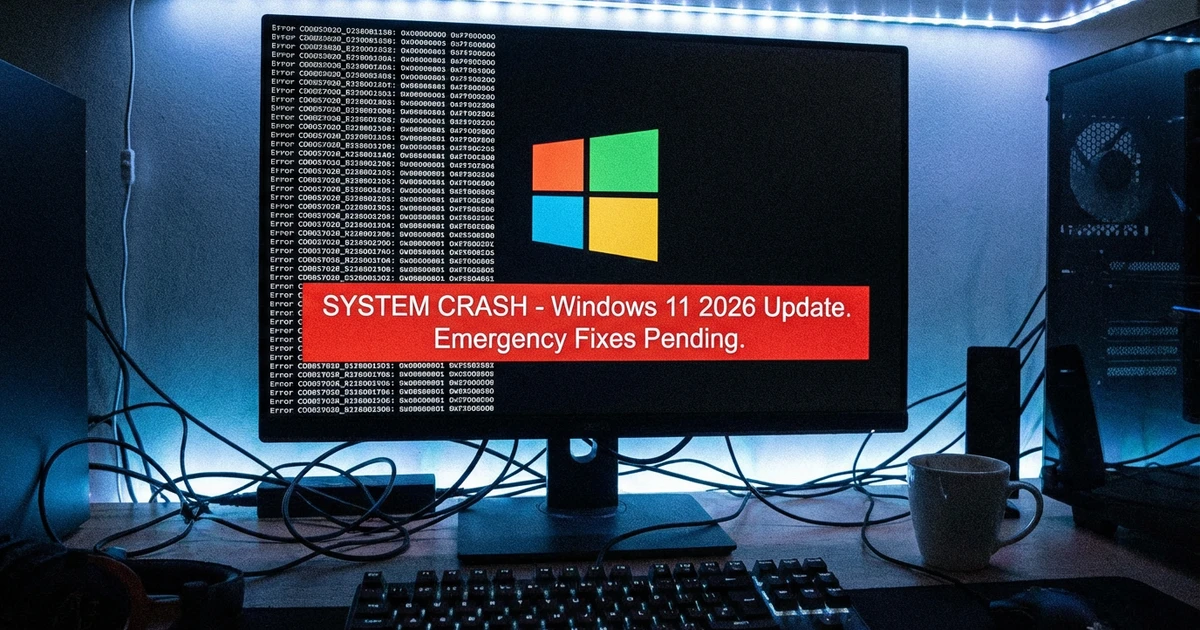
Microsoft kicked off 2026 with its first major Windows 11 update, but instead of ushering in new features, the rollout has been marred by technical setbacks that have left many users scrambling for solutions. The update, initially released in January, quickly garnered criticism as reports of system instability, application crashes, and even unbootable PCs mounted across the globe.
Windows 11 Update Causes Major Disruptions
The much-anticipated 2026 update was intended to enhance the Windows experience, but it instead introduced a series of critical problems. According to widespread user reports, a significant number of PCs experienced crashes, with Outlook—a core productivity app for many—being particularly affected. In some cases, the update rendered devices unbootable, leaving users unable to access their systems at all.
- Outlook crashes: Affected users found Outlook closing unexpectedly, disrupting work and communication.
- Boot failures: Some PCs failed to start after installing the update, requiring advanced troubleshooting or a rollback to a previous version.
These issues caused an immediate stir on social media and tech forums, with IT departments and everyday users alike seeking quick remedies.
Microsoft Responds with Emergency Updates
Recognizing the severity of the situation, Microsoft moved swiftly to address the fallout. The company released not one, but two emergency patches within days of the initial rollout. The first patch targeted the widely reported Outlook crashes, while the second attempted to resolve the boot failure issues plaguing certain hardware configurations.
Though these emergency updates have mitigated problems for some, not all users have reported complete resolution. The ongoing instability has raised questions about Microsoft’s quality assurance processes and its ability to test new Windows updates across the vast array of device types in the market.
User Frustration and Industry Reaction
The botched update and subsequent emergency fixes have led to significant frustration in the Windows community. For IT professionals, the timing couldn’t be worse, as many organizations are starting the new year with fresh projects and tight deadlines. The instability has forced some businesses to pause Windows updates until further notice—an extra layer of disruption in an already complex digital environment.
While Microsoft’s quick action to release emergency fixes is being acknowledged, users are calling for more robust pre-release testing to prevent such widespread issues in the future. Tech analysts note that the large variety of PC hardware and third-party software makes comprehensive testing challenging, but stress that critical bugs—especially those that crash core apps or prevent booting—need to be identified before public rollout.
What’s Next for Windows 11 Users?
Microsoft has urged affected users to install the latest emergency updates and consult its support channels for additional troubleshooting steps. As of now, the company continues to monitor the situation and will likely issue further updates as needed.
Key Takeaways:
- Windows 11’s first 2026 update led to Outlook crashes and, in some cases, unbootable PCs.
- Microsoft released two emergency patches to address the most severe issues.
- Some users continue to report instability, prompting calls for improved update testing.
Looking Forward
The rocky rollout of this Windows 11 update highlights the challenges of supporting a massive and diverse user base in the modern PC era. As Microsoft works to restore user confidence, all eyes will be on its next steps in delivering both stability and innovation for Windows 11 throughout 2026.
Sources
- [1]The Verge