Politics
Wisconsin Supreme Court blocks access to guardianship records in voter challenge
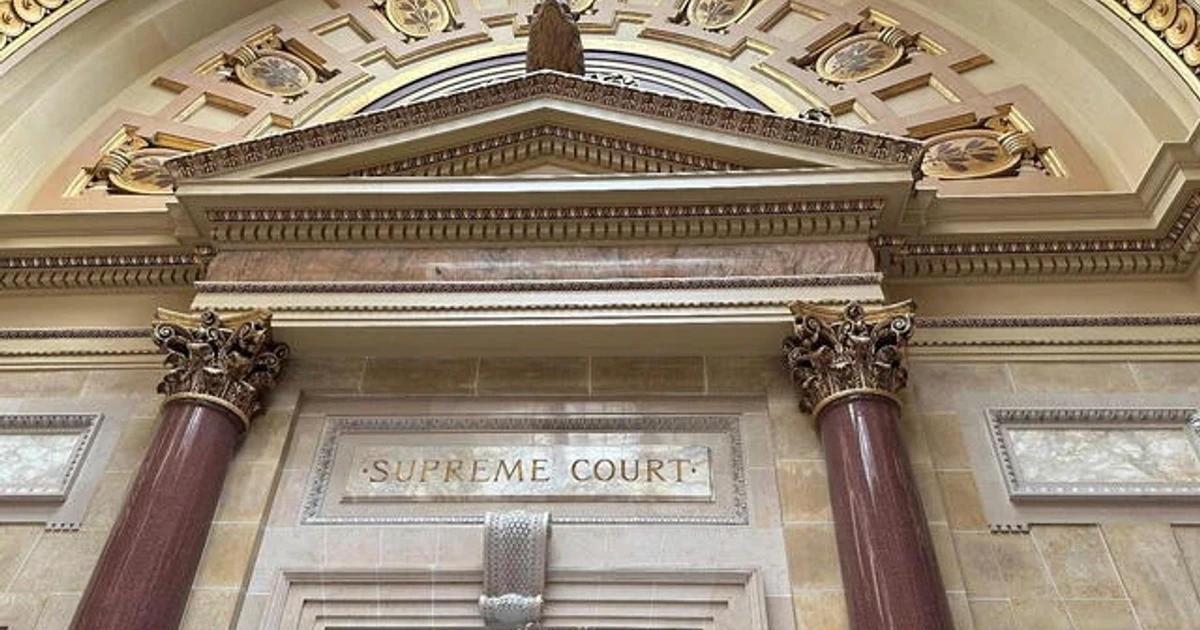
On July 7, the Wisconsin Supreme Court barred access to completed Notice of Voting Eligibility forms in Wisconsin Voter Alliance v. Secord, 2026 WI 27. The justices rejected Ron Heuer’s bid to pry loose notices filed when a judge finds someone cannot understand the objective of the elective process.
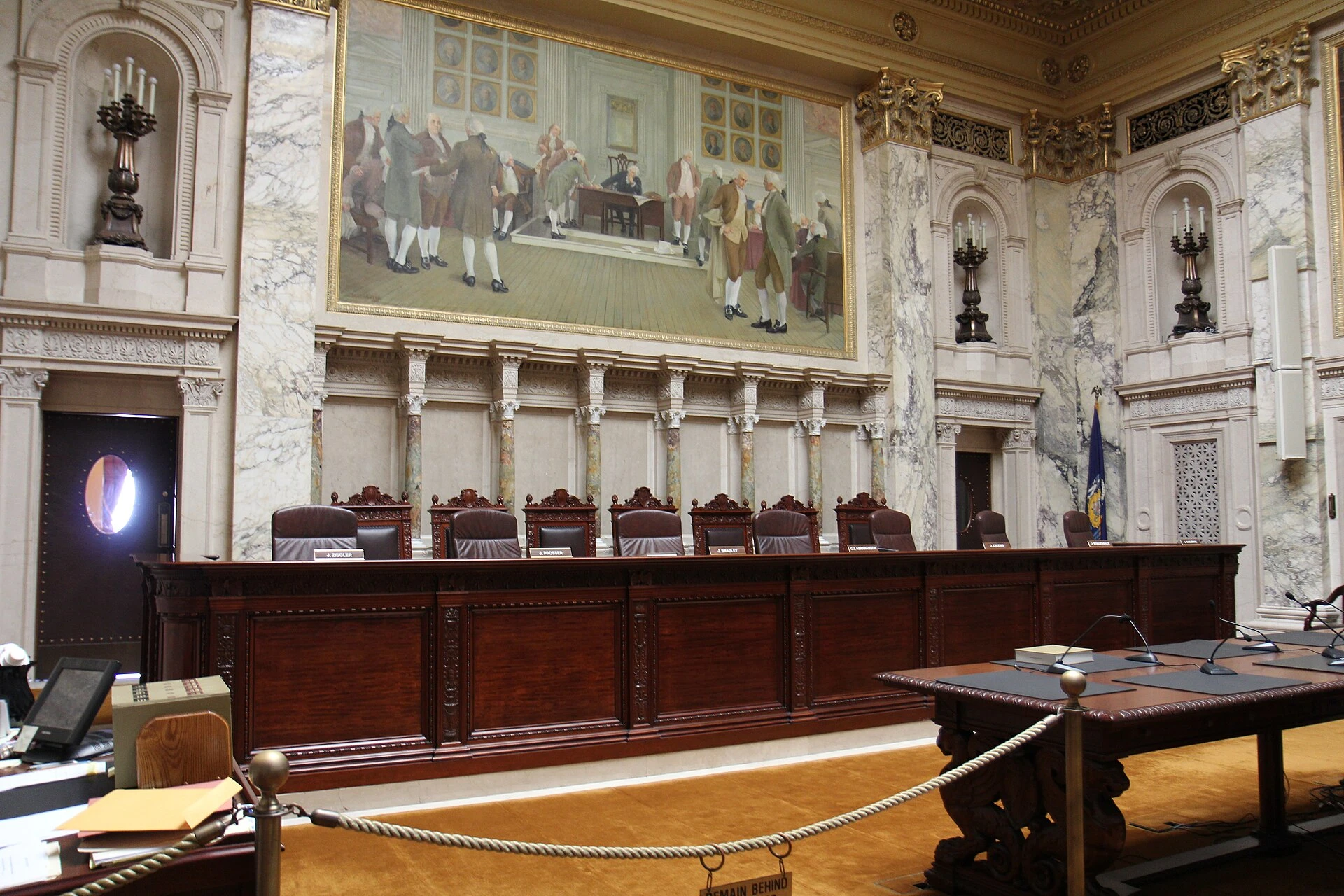
The 5-2 decision split the court, with Justice Brian K. Hagedorn joining the court’s liberal majority and Justices Annette Kingsland Ziegler and Rebecca Grassl Bradley dissenting. The ruling held that completed Notice of Voting Eligibility forms are “closed” under Wisconsin Stat. § 54.75, which protects “court records pertinent to the finding of incompetency.” Wisconsin law says guardianship hearings “shall be closed” to the public.
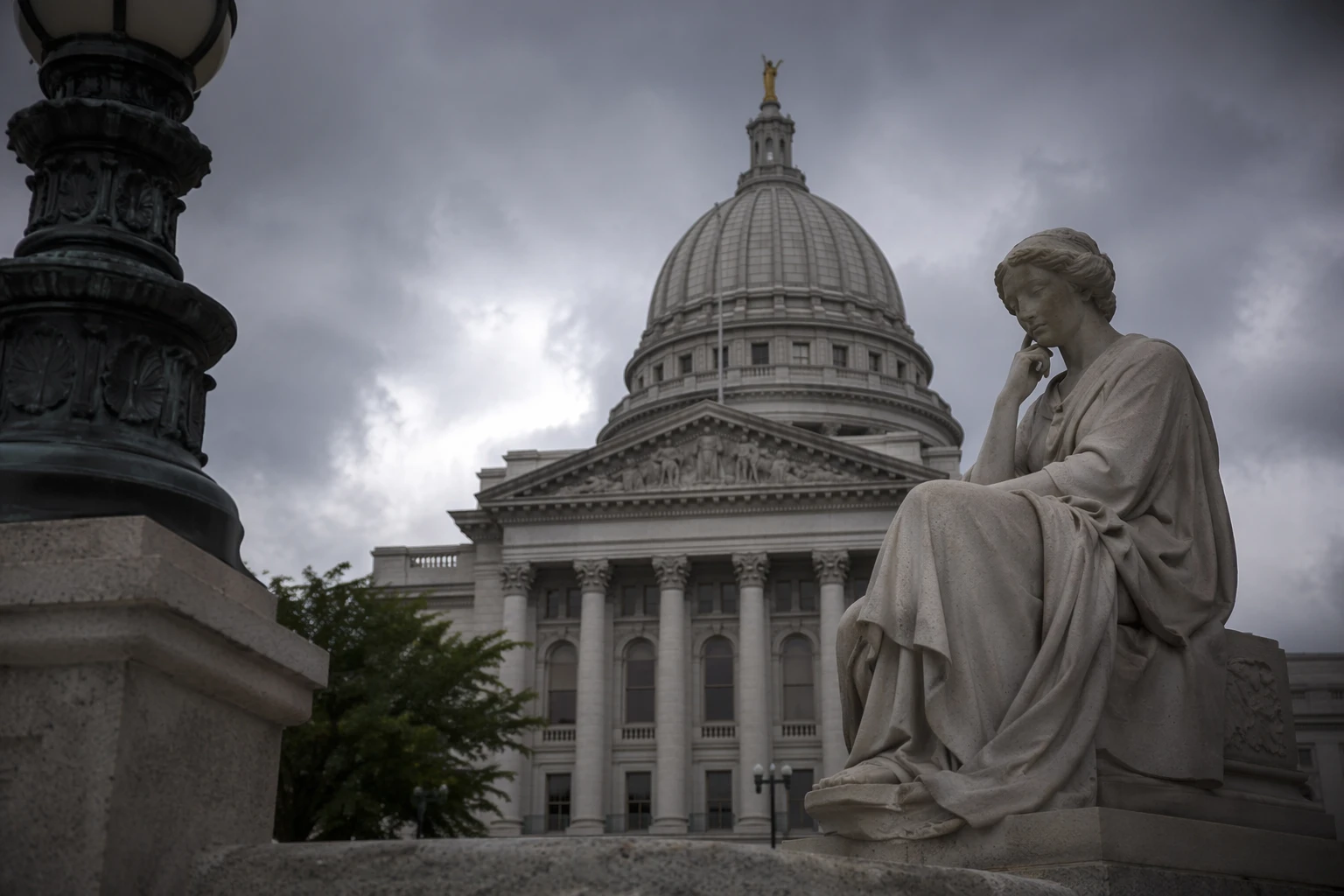
Heuer, a former travel executive who worked on Michael Gableman’s partisan review of Wisconsin’s 2020 election, and the Wisconsin Voter Alliance argued that the state’s number of ineligible voters did not match the voter registration list. The group filed identical public-records petitions in 13 counties, beginning with Walworth County Circuit Court case No. 2022CV443, and sought records that are created when a court removes voting rights from someone found incapable of understanding the election process.
Heuer said the records could be redacted to protect private information. County lawyers countered that redactions would not solve the problem, because names and addresses would still be needed to compare the forms against voter rolls. The effort could not work without exposing identifying information, and the high court agreed that the legislature had chosen privacy for people subject to guardianship proceedings.

The case had already divided the lower courts. Wisconsin Court of Appeals District IV had unanimously held in Wisconsin Voter Alliance v. Reynolds that the NVE forms were exempt from disclosure, while District II reached the opposite result and allowed disclosure with possible redactions before the Supreme Court resolved the conflict.
The dispute grew out of the same post-2020 election fight that propelled Gableman’s review, authorized and funded by Republicans in the Wisconsin Assembly, into years of litigation over records, access and election integrity. A 2023 Dane County clerk review found 95 people who had cast ballots despite a court finding them unable to vote, but many of those cases were explained by administrative error or people moving between municipalities rather than intentional fraud.
Sources
- [1]usnews.com
- [2]wicourts.gov
- [3]wpr.org
- [4]wisconsinwatch.org