World
Witkoff and Kushner fill diplomacy gap as Ukraine talks stall
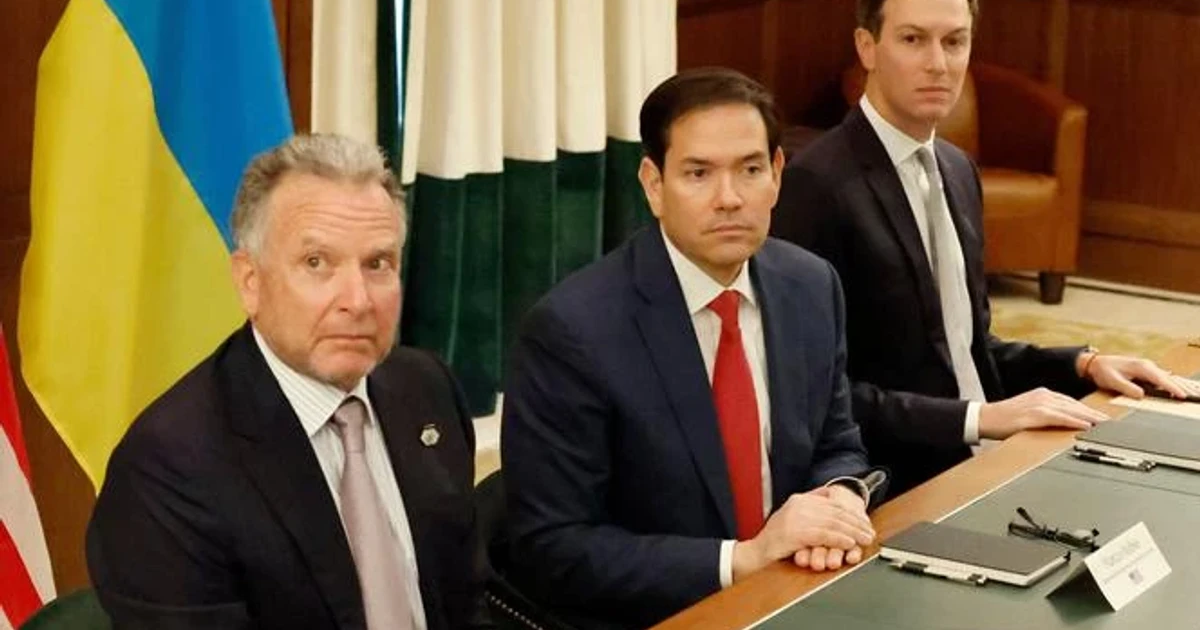
Steve Witkoff and Jared Kushner have emerged as the most visible U.S. emissaries on diplomacy at a moment when the ambassador posts in Moscow and Kyiv are both vacant. The absence of confirmed ambassadors has thinned the traditional channel to two capitals that sit at the center of the war and the broader effort to halt it.
In Kyiv, acting U.S. ambassador Julie Davis departed on June 27 after finishing her diplomatic mission and retiring from the Foreign Service. Davis had served as chargé d’affaires at the U.S. Embassy in Kyiv since May 5, 2025, after Bridget Brink stepped down. Ukrainian officials thanked Davis for U.S. support as she wrapped up her tenure, even as peace talks remained stuck and the war ground on.
The vacancy in Moscow has lasted for more than a year, leaving Washington without fully appointed ambassadors in either capital at the same time. That matters because the conflict has recently intensified, shifting from a grinding frontline stalemate to destructive long-range strikes on critical infrastructure in both countries. Former diplomats have warned that the lack of confirmed envoys narrows the options for direct, sustained diplomacy at a volatile moment.
While the Ukraine file has stalled, Witkoff and Kushner have been focused elsewhere. In late June, they traveled to Doha for indirect U.S.-Iran talks mediated through Qatar. No direct U.S.-Iran meeting was reported at the table. The discussions centered on maritime traffic through the Strait of Hormuz and the unfreezing of Iranian funds, with some accounts describing positive progress and others saying there was no immediate breakthrough.
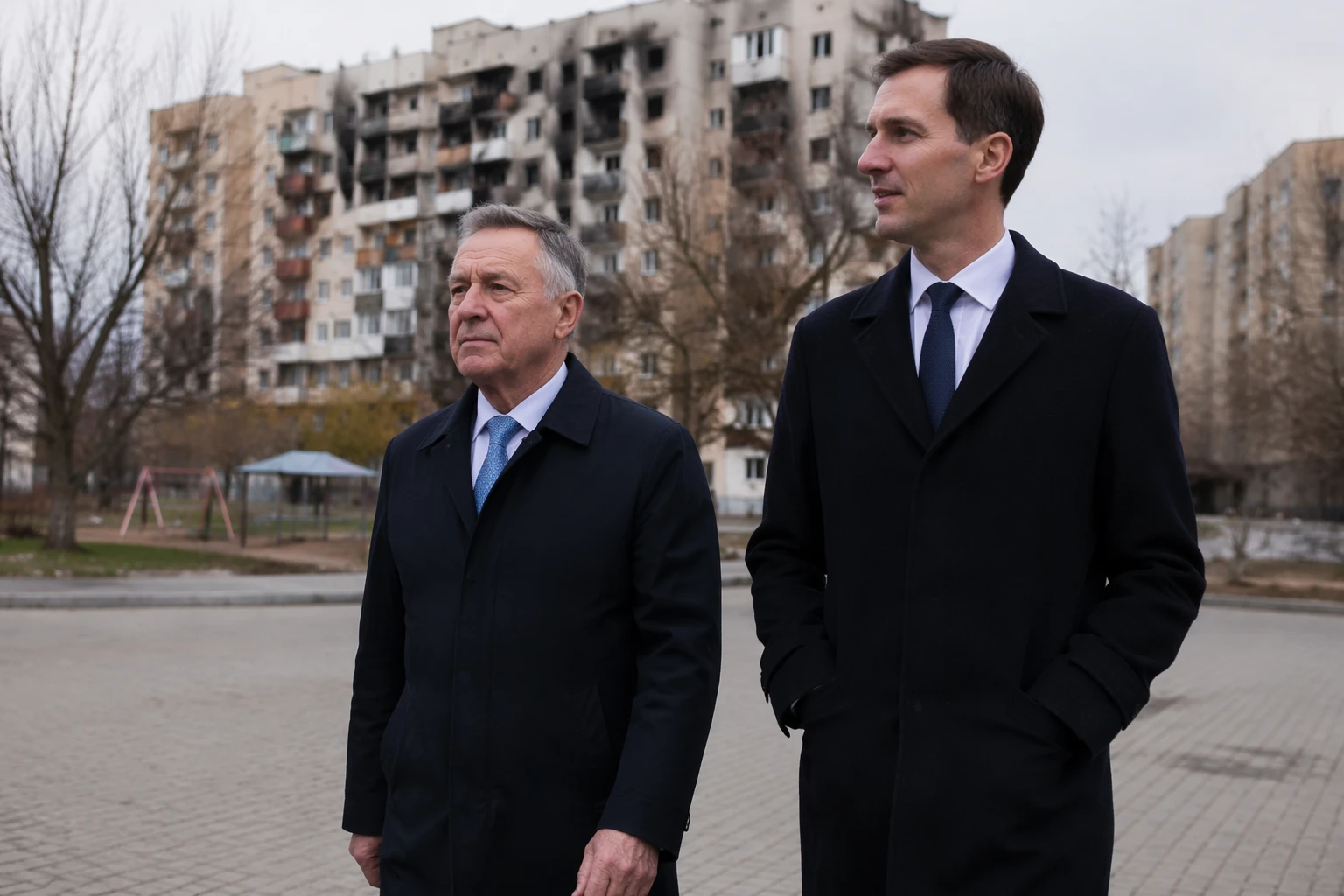
The overlapping tracks have raised questions about where the administration’s attention is going. On one hand, Qatar has been able to host and mediate a channel with Iran. On the other, the diplomatic posts that normally anchor U.S. engagement with Russia and Ukraine remain unfilled, even as the war continues to escalate and Moscow prepares for possible further military action.
The result is an unusual imbalance in U.S. foreign policy staffing: private envoys and political intermediaries are carrying more of the burden in some theaters, while the institutional pipeline through Kyiv and Moscow has gone thin at the very moment it is most needed.
Sources
- [1]nytimes.com
- [2]cbc.ca
- [3]kyivindependent.com
- [4]thehill.com
- [5]english.alarabiya.net
- [6]time.com
- [7]usnews.com
- [8]afsa.org