Science
WMO warns strong El Nino could intensify from August
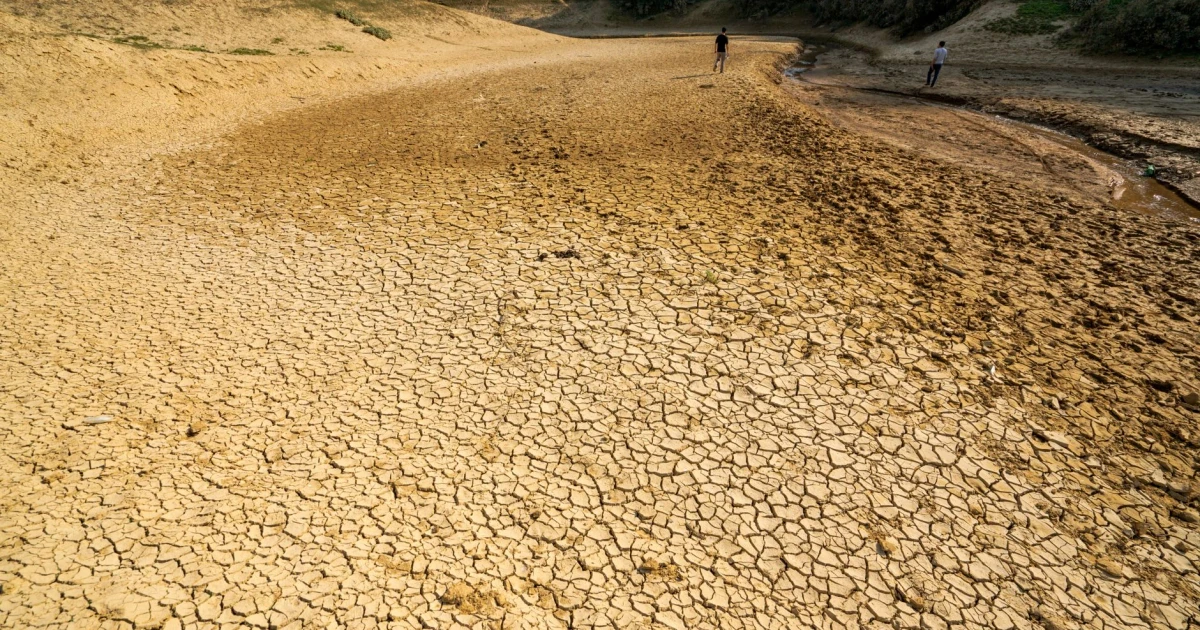
The tropical Pacific had already tipped into El Niño conditions, and the World Meteorological Organization put the odds at 90% that the event would last through the second half of 2023. WMO expected the pattern to strengthen rapidly in the coming months, with August through October likely to be the period when it could dominate global climate patterns.
El Niño changes ocean temperatures in the tropical Pacific and can push weather far beyond the region where it forms. The combination can raise the likelihood of above-normal temperatures and major shifts in rainfall, bringing severe drought in some places and heavier rains and flooding in others. The same pattern can also disrupt the timing of storms and harvests, creating pressure on farmers, water managers and emergency planners at the same time.
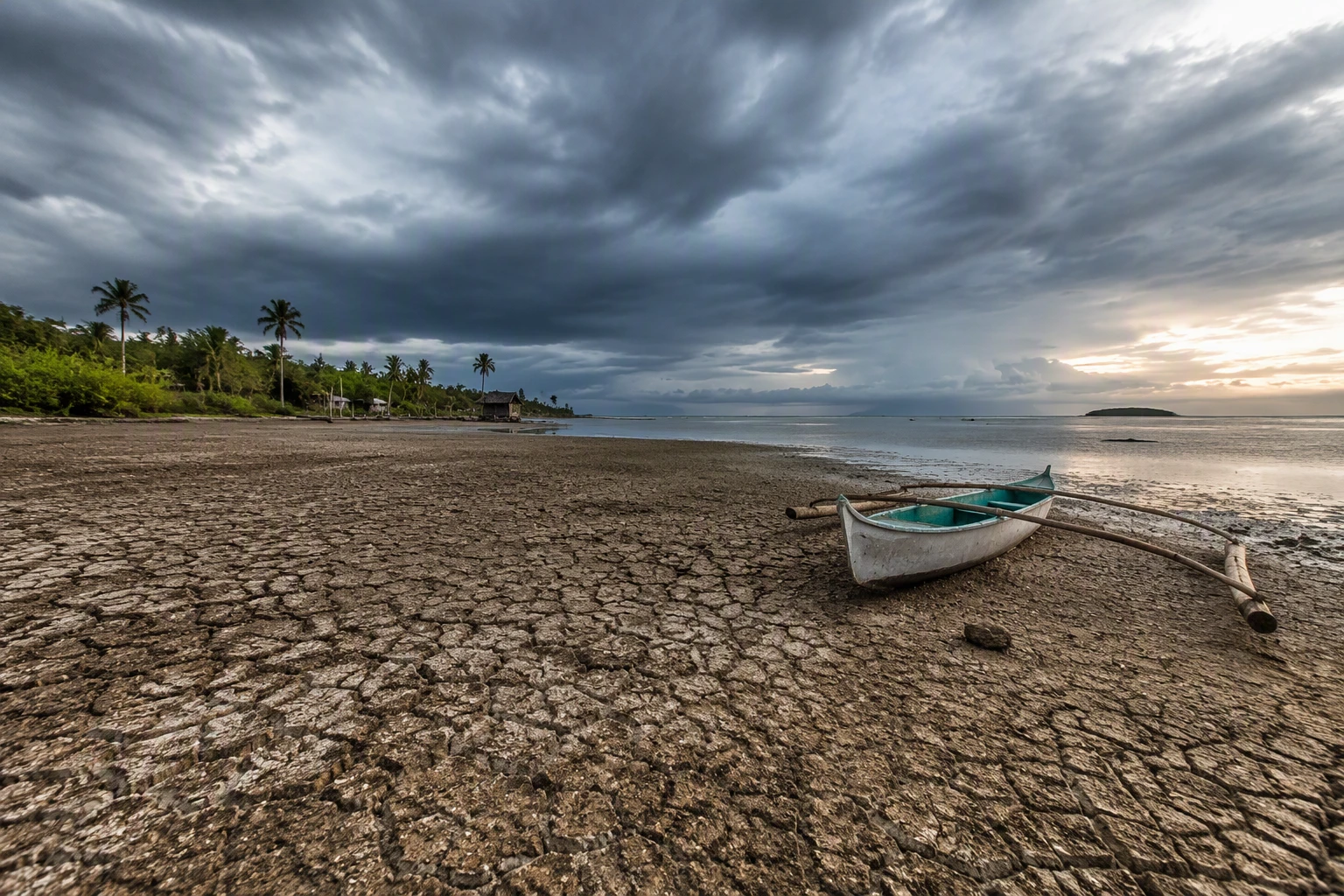
The June 2023 WMO El Niño/La Niña Update found the warming had emerged after rapid and substantial changes in ocean conditions. WMO’s long-range forecast centers were the basis for the 90% probability estimate, and the agency framed El Niño and La Niña as opposite phases of the El Niño-Southern Oscillation, a naturally occurring climate pattern that influences global temperature and rainfall. Separate WMO guidance forecast El Niño conditions to strengthen rapidly over the following months, increasing the chance of heatwaves, droughts, heavy rainfall and other extreme weather events in many parts of the world.
The consequences are economic as well as meteorological. A strong El Niño can strain food production in regions already facing heat stress or irregular rainfall, while also worsening wildfire conditions in some areas and flood risk in others. Water supplies can tighten quickly when rainfall shifts, and public health systems can face added pressure from heat illness, shortages of clean water and the spread of some infectious diseases that become more likely in altered climate conditions.
Health planners were already treating the event as a broader emergency issue. The World Health Organization later grouped the 2023 El Niño hazards into heatwaves, drought, wildfires, floods, landslides, food insecurity, infectious diseases and cyclones. Humanitarian planners also flagged the second half of 2023 as a period of elevated risk as the event persisted.
Sources
- [1]reuters.com
- [2]wmo.int
- [3]docs.southsudanngoforum.org
- [4]cdn.who.int