Sports
WNBA rescinds Caitlin Clark technical, avoids suspension for Fever star
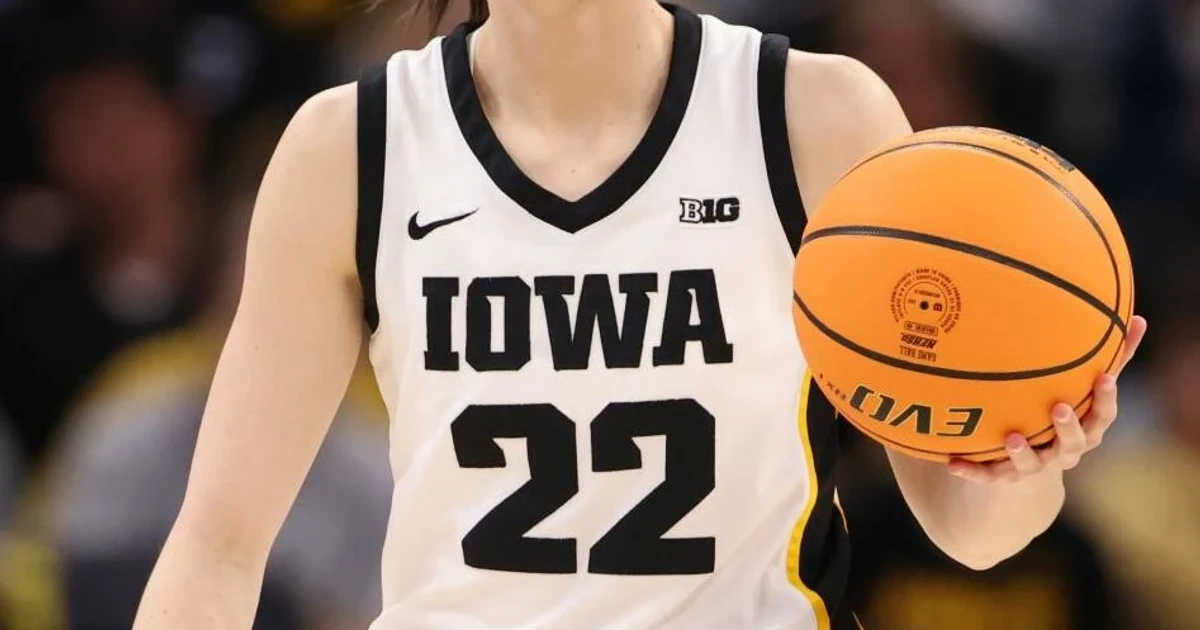
The WNBA moved fast to erase Caitlin Clark’s eighth technical foul of the season, avoiding the automatic one-game suspension that would have followed and keeping the Indiana Fever guard available for the next game. The disputed whistle came during Indiana’s 90-86 win over the Chicago Sky on Aug. 8, 2026, in a matchup already under heavy national attention.
The reversal mattered because the league’s technical-foul threshold leaves little room for delay. Eight technicals triggers a suspension, so the original call put Clark and Indiana at the edge of a roster-changing penalty before league officials stepped in. The technical was described in multiple reports as stemming from accidental contact with a referee in the third quarter, and Clark was quoted as saying the contact was not intentional.
Stephanie White, Indiana’s coach, publicly challenged the ruling and said it did not merit a technical foul. She described the contact as incidental while Clark was “flying out of control” toward the referee, and Indiana appealed quickly. The league’s response came quickly enough to prevent Clark from missing the Fever’s next game, a notable outcome for a team whose schedule and public profile are closely tied to her availability.
The episode was more than a player discipline note. It became a test of how the WNBA handles a technical-foul system that can directly affect lineups, game plans and competitive balance. For most players, an eighth technical would still be a significant penalty; for Clark, one of the league’s most watched figures, the same ruling carried a far larger public charge and invited close scrutiny of the officiating process.
That scrutiny is part of the league’s current reality. Clark’s games draw unusual attention from television, social media and fans who do not always follow the WNBA closely, which makes every call around her harder to ignore. ESPN and The Athletic both carried the rescission, underscoring how quickly the matter moved once Indiana challenged the original decision.
The rapid reversal also raised a familiar governance question: whether high-visibility players receive the same pace and pressure of review as everyone else. The WNBA’s action showed that the league recognized the stakes of an automatic suspension and acted before the dispute could spill into another game, another whistle and another round of debate about consistency.
Sources
- [1]apnews.com
- [2]espn.com
- [3]nytimes.com
- [4]indystar.com
- [5]usatoday.com
- [6]youtube.com