Politics
Woman says she unknowingly voted in 2016, later deported
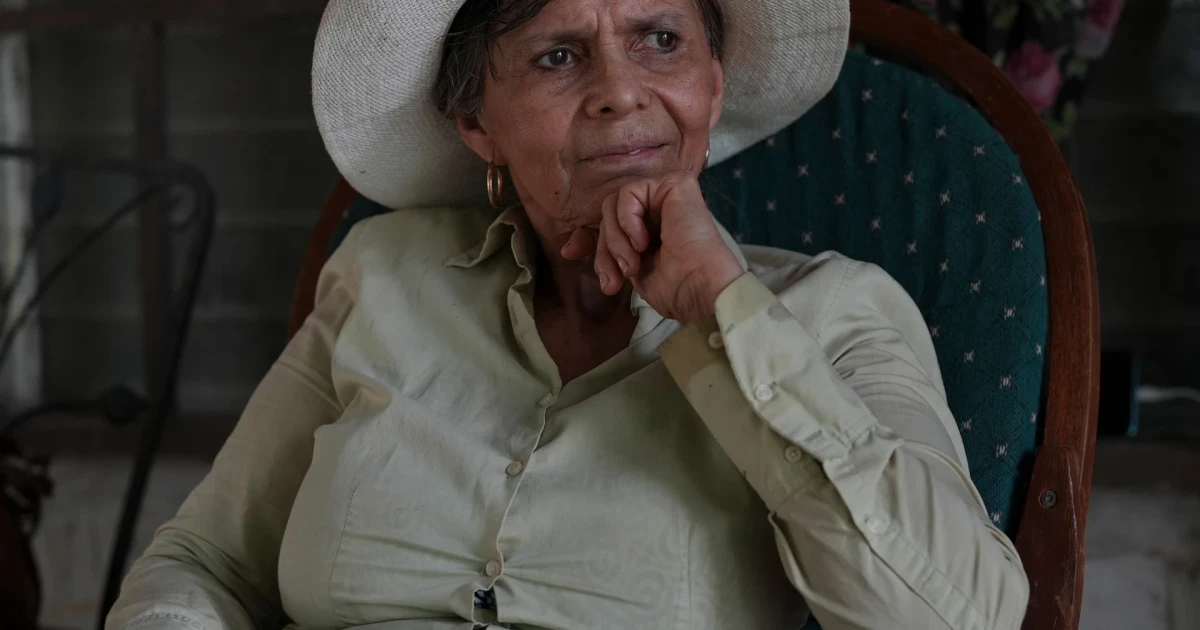
Dora Damatta-Rodriguez, a Panama-born U.S. lawful permanent resident, voted in the 2016 U.S. election and was later deported after the ballot was discovered. The case puts one mistaken vote at the center of a longer conflict over election rules, immigration status and the penalties that can follow years later.
Damatta-Rodriguez said she did not realize she was barred from voting when she cast the ballot. Federal law has explicitly prohibited noncitizens from voting in federal elections since 1996, but Reuters’ data-driven reporting has found that noncitizen voting is rare and often inadvertent rather than part of a broad fraud scheme. That distinction matters in a system where a registration mistake can carry consequences far beyond the election itself.

The case lands in the middle of a national fight over voter eligibility. Donald Trump has repeatedly claimed that noncitizen voting is rampant, while the documented cases tied to federal elections remain limited. U.S. Immigration and Customs Enforcement has said 19 foreign nationals were indicted for illegally voting in the 2016 elections, and Reuters’ special report says a wider enforcement crackdown has ensnared hundreds of people, many of whom never cast a ballot. Damatta-Rodriguez’s case shows how quickly an eligibility error can become an immigration matter once officials review a voter’s status.
The facts also point to a breakdown in how the system communicates rules to permanent residents. In some states, voter registration can be tied to motor-voter procedures or other government interactions that blur the line between ordinary paperwork and an election-law commitment. A similar case involved Margarita Del Pilar Fitzpatrick, a Peruvian citizen who mistakenly accepted an offer to register to vote when applying for an Illinois driver’s license in 2005 and later faced deportation after voting illegally. That history suggests the problem is not limited to one person or one election.
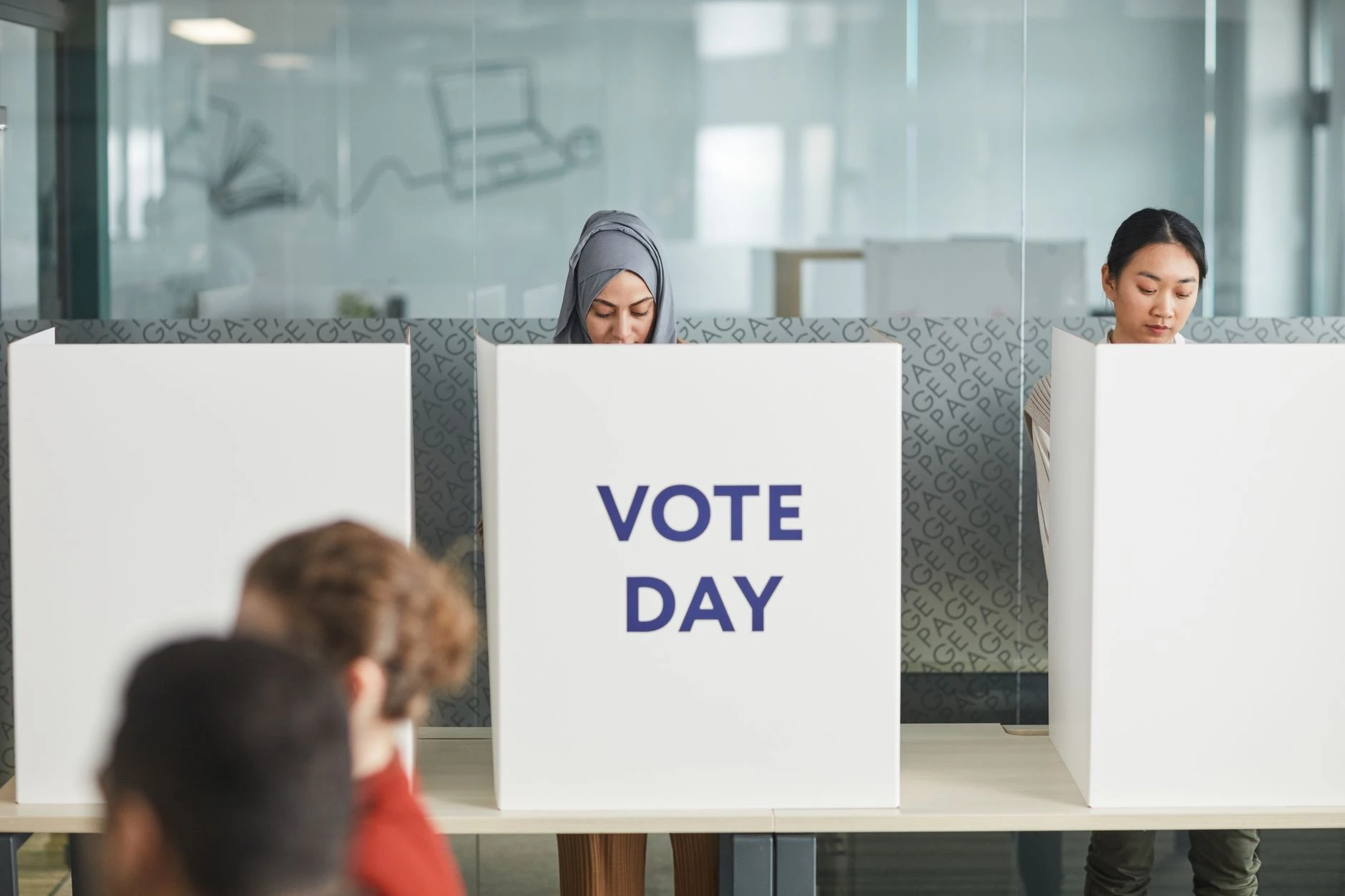
For lawful permanent residents, the consequences can be severe even when the original mistake is not framed as intentional fraud. Damatta-Rodriguez’s vote in 2016 resurfaced years later as a deportation case, underscoring how closely voting law and immigration enforcement can overlap when eligibility rules are not clearly understood or clearly explained.
Sources
- [1]reuters.com
- [2]reutersconnect.com
- [3]ice.gov
- [4]brennancenter.org
- [5]pbs.org
- [6]nbcnews.com