Lifestyle
Women Chefs Lead Revival of Indigenous Mexican Cuisine
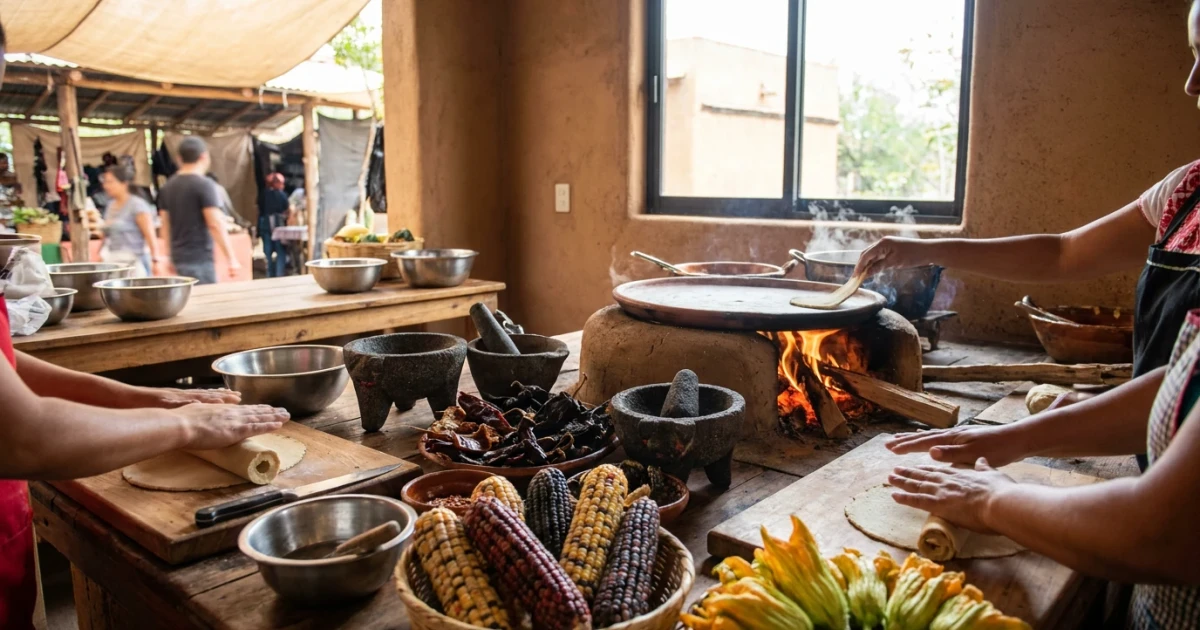
Women-led restaurants in Mexico are at the forefront of a growing movement to preserve and revive endangered indigenous recipes, blending culinary tradition with modern innovation. According to AFAR, these chefs and entrepreneurs are not only safeguarding ancestral foodways, but also empowering their communities and contributing to national cultural identity.
Preserving Ancestral Culinary Traditions
The resurgence of indigenous cuisine owes much to the dedication of women chefs who draw from centuries-old recipes, using regional ingredients native to their communities. Many of these dishes are featured in the Catalog of Traditional Mexican Cuisines, an official government record highlighting the diversity of Mexico’s food heritage.
- AFAR reports that restaurants led by women such as Rocío Sánchez and Juana Bravo have become cultural hubs, serving dishes rooted in indigenous languages and customs.
- These recipes often include endangered ingredients cataloged by Slow Food Mexico’s Ark of Taste, documenting foods at risk of disappearing.
- Chefs frequently collaborate with local farmers and foragers to ensure authentic sourcing and sustainability.
Women’s Role in Culinary Preservation
Women in indigenous communities have historically been the custodians of culinary knowledge, passing down recipes and preparation techniques through generations. AFAR highlights how contemporary female restaurateurs are formalizing these traditions, creating businesses that support both cultural preservation and economic opportunity.
- Many chefs incorporate native languages, as reflected in the government’s indigenous language preservation programs, into their menus and storytelling.
- Restaurants serve as educational spaces, teaching both locals and visitors about the origins and significance of each dish.
- The movement has been recognized by UNESCO, which designated Traditional Mexican Cuisine as Intangible Cultural Heritage, emphasizing the role of women in its preservation.
Challenges and Impact
Despite their successes, women-led efforts face challenges. AFAR notes obstacles such as limited access to funding, market competition, and the threat of cultural homogenization. However, the impact of their work is substantial:
- Revival of endangered recipes, many of which are documented in ethnographic studies like the Colección Cocinas Indígenas y Populares de México.
- Creation of sustainable supply chains for rare ingredients.
- Strengthening community identity and pride.
The latest INEGI census data shows that Mexico’s indigenous population remains diverse, with many communities actively engaged in culinary preservation.
Looking Ahead: Protecting Culinary Heritage
The movement led by women restaurateurs continues to gain momentum, inspiring new generations to value and protect Mexico’s indigenous foodways. As more restaurants join the cause, the country’s culinary landscape is evolving, offering both locals and travelers a deeper connection to its roots.
Continued documentation and recognition by organizations like UNESCO and Slow Food Mexico are vital for ensuring these traditions endure. The work of women chefs demonstrates that preserving endangered recipes is not just about food—it’s about identity, resilience, and cultural continuity.