Sports
Women's Super League fans call for better matchday experience and value
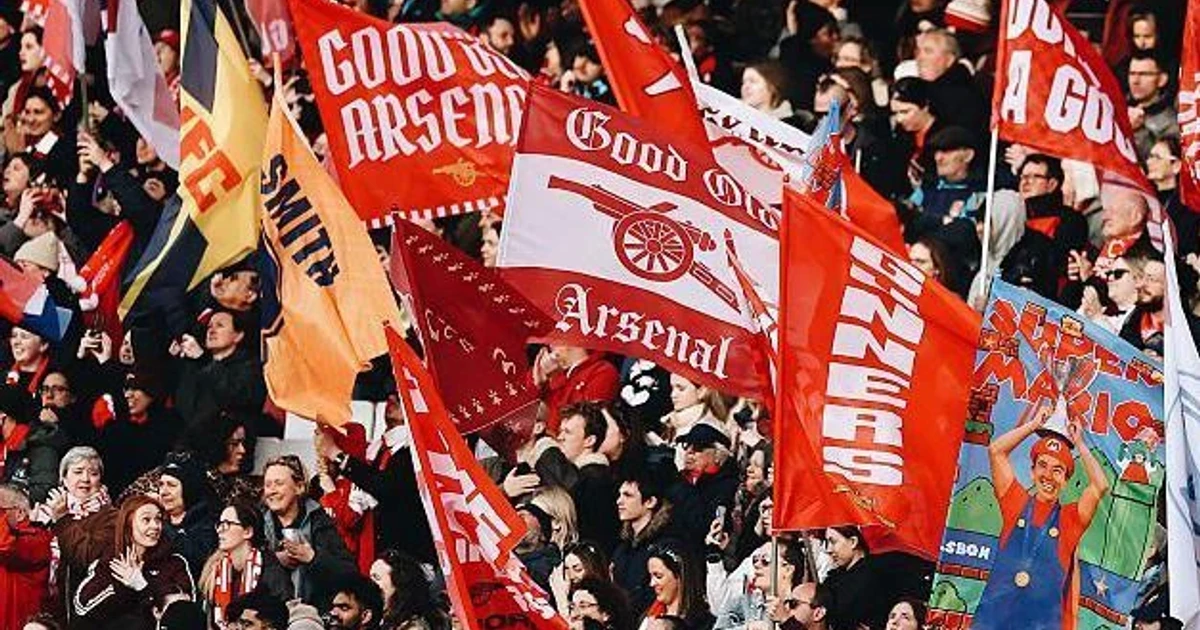
Women's Super League demand is rising, but the matchday experience is not scaling at the same speed. Deloitte Sports Business Group figures cited by BBC Sport show average attendances fell 10% last season, even after the combined total for the Women's Super League and Women's Championship passed one million across the 2023-24 season. That tension between bigger moments and uneven week-to-week delivery is now the league’s central growth problem.
The big crowds are real, but they are not yet routine
Arsenal show both the promise and the limit of the current model. BBC Sport noted that the club’s WSL attendances were slightly down overall, yet five league games still drew more than 35,000 fans, and a sold-out Emirates Stadium fixture against Manchester United in February 2024 set the WSL attendance record at the ground. That is the kind of scale the league wants more often, but it also shows how dependent the sport still is on a handful of marquee fixtures and major venues.
The Football Association had already set a target of making WSL crowds three times bigger by 2024, which made attendance growth a public benchmark rather than a vague ambition. The problem is not a lack of interest in principle. It is the gap between occasional blockbuster crowds and the ordinary matchday product that keeps people coming back.
Value helps, but price alone does not solve retention
BBC Sport’s Price of Football feature found the WSL came out cheapest in its ticket survey, with average match-day tickets across the league priced low compared with many men’s teams. That matters, because cost is one of the first barriers fans notice. But low prices only solve part of the problem if the rest of the day feels awkward, rushed or poorly joined up.
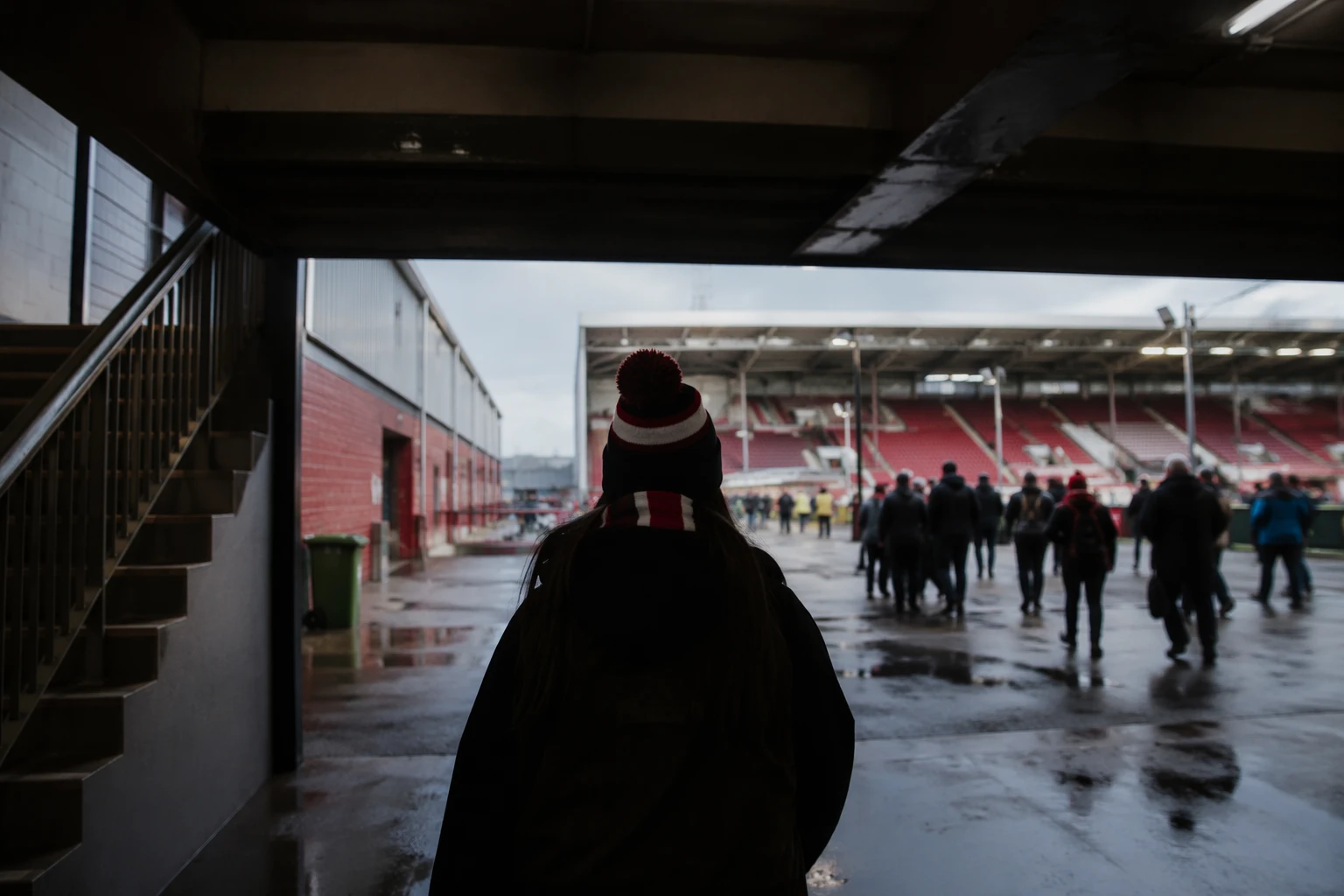
The issues fans raise are practical: ticket pricing, stadium atmosphere, fixture scheduling, transport and accessibility. BBC Sport’s fan-focused coverage also shows a split in what supporters want from the women’s game. Some prefer the community feel and family-friendly environment that has helped define the league’s rise; others want fuller stadiums, louder atmospheres and a clearer club identity. Those are not contradictory demands. They are signs that the league has to make first-time visitors feel welcome while also giving regulars a reason to build a habit.
Accessibility sits at the centre of that challenge. Level Playing Field’s women’s football fan survey focuses on disabled supporters and the services and facilities they need, which makes the point plainly: a cheap ticket is not good value if the toilet access, seating, transport links or stewarding are not workable. Fan retention is built on the full journey, not just the price printed on the ticket.
Broadcast growth is widening the audience, and raising the stakes
The league is getting more exposure, and that brings more pressure to deliver a better live product. BBC Sport has 21 live WSL matches on network TV and BBC iPlayer for the 2025-26 season, plus the League Cup final, giving supporters more ways to follow the competition without being tied to one platform. England’s Euro 2025 triumph also gave women’s club football extra momentum, lifting the profile of the domestic game at the exact moment clubs need to convert casual attention into regular attendance.
Other signals point in the same direction. The Women’s Sport Trust said on 26 June 2024 that fans were watching Barclays Women’s Super League matches for longer than ever before, while WSL Football and YouGov said their fan research showed the huge global appeal of the Barclays Women’s Super League. That broader audience matters because the game’s value is no longer confined to the turnstiles.
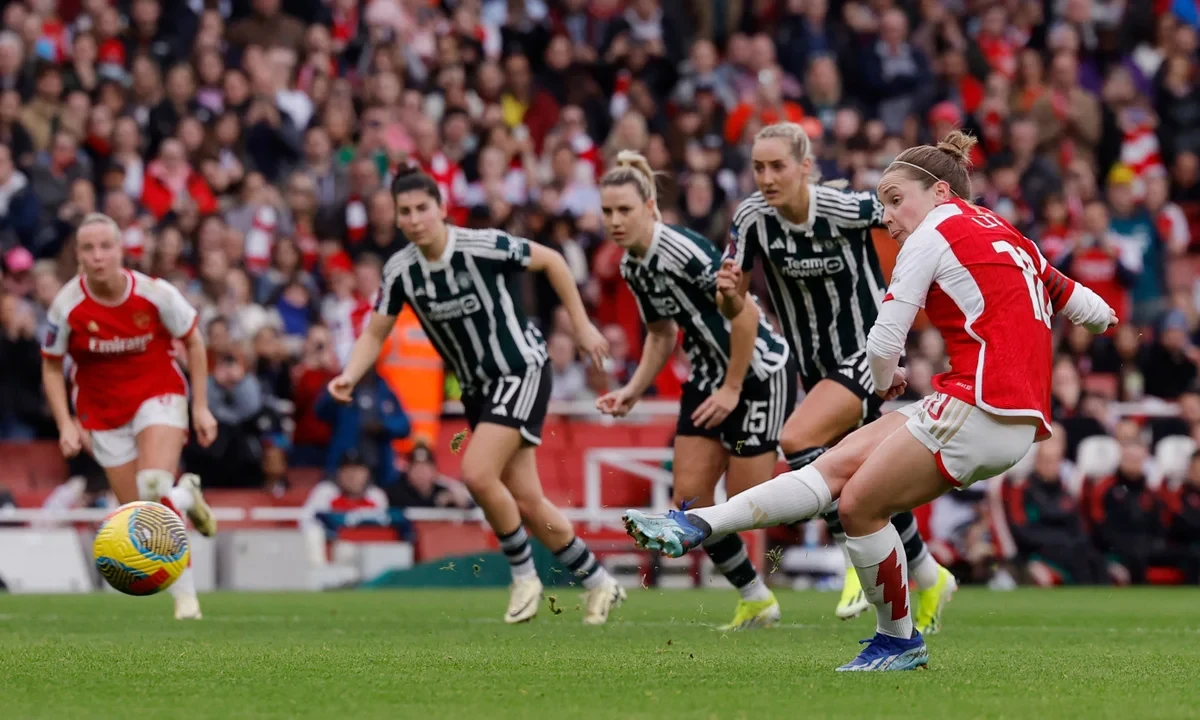
Barclays said Premier League and Barclays Women’s Super League matches generate an estimated £2.3bn of consumer spending each season in 2024/25. That figure is a reminder that the matchday experience reaches far beyond the stadium wall. When fans travel, eat, drink and stay, the quality of the event shapes local spending, club income and whether the league feels like a durable part of weekend life.
What would actually improve fan retention
The fixes are practical, not mysterious:
• Schedule with supporters in mind. Early kick-off announcements, fewer awkward travel windows and better coordination with rail and local transport would make attendance easier for families, away fans and disabled supporters.
• Design for mixed crowds. WSL Football’s world-first design guidelines for stadium updates matter because football grounds were historically built with only men in mind. That affects sightlines, toilets, concourses, family space and accessibility.

• Treat accessibility as core infrastructure. Level Playing Field’s survey work shows disabled supporters need facilities and services planned into the matchday experience, not patched on later.
• Invest in atmosphere, not just capacity. Arsenal’s big crowds show what a strong venue and marquee fixture can do, but the league needs better in-stadium identity at clubs that do not yet have that scale.
• Make value visible. Low ticket prices help, but fans also judge queue times, food options, transport links and the feeling that the club has thought about their whole day.
The league’s risk is not simply lower attendance in one season. It is a pattern where growth keeps arriving in spikes at a few clubs and a few occasions, while the average fan experience lags behind. The WSL already has the audience, the broadcast platform and the commercial argument. What it still needs is the infrastructure to turn interest into loyalty.
Sources
- [1]bbc.co.uk
- [2]bbc.com
- [3]home.barclays
- [4]womenssporttrust.com
- [5]wslfootball.com
- [6]levelplayingfield.org.uk
- [7]tandfonline.com