World
World Bank cuts 2026 growth forecast as Middle East war bites
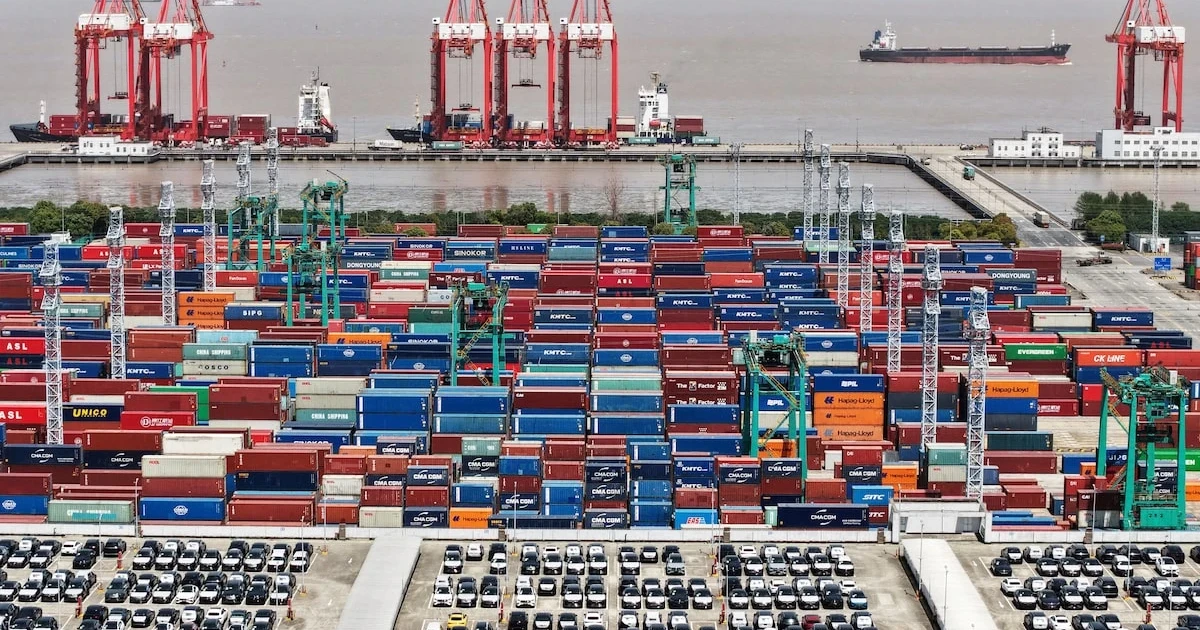
Higher fuel bills, pricier food and tighter credit are the route by which the Middle East war is reaching U.S. households and businesses. The World Bank said those pressures were already enough to cut its 2026 global growth forecast to 2.5%, warning that a longer disruption could push the world economy into its weakest stretch since the COVID-19 era.
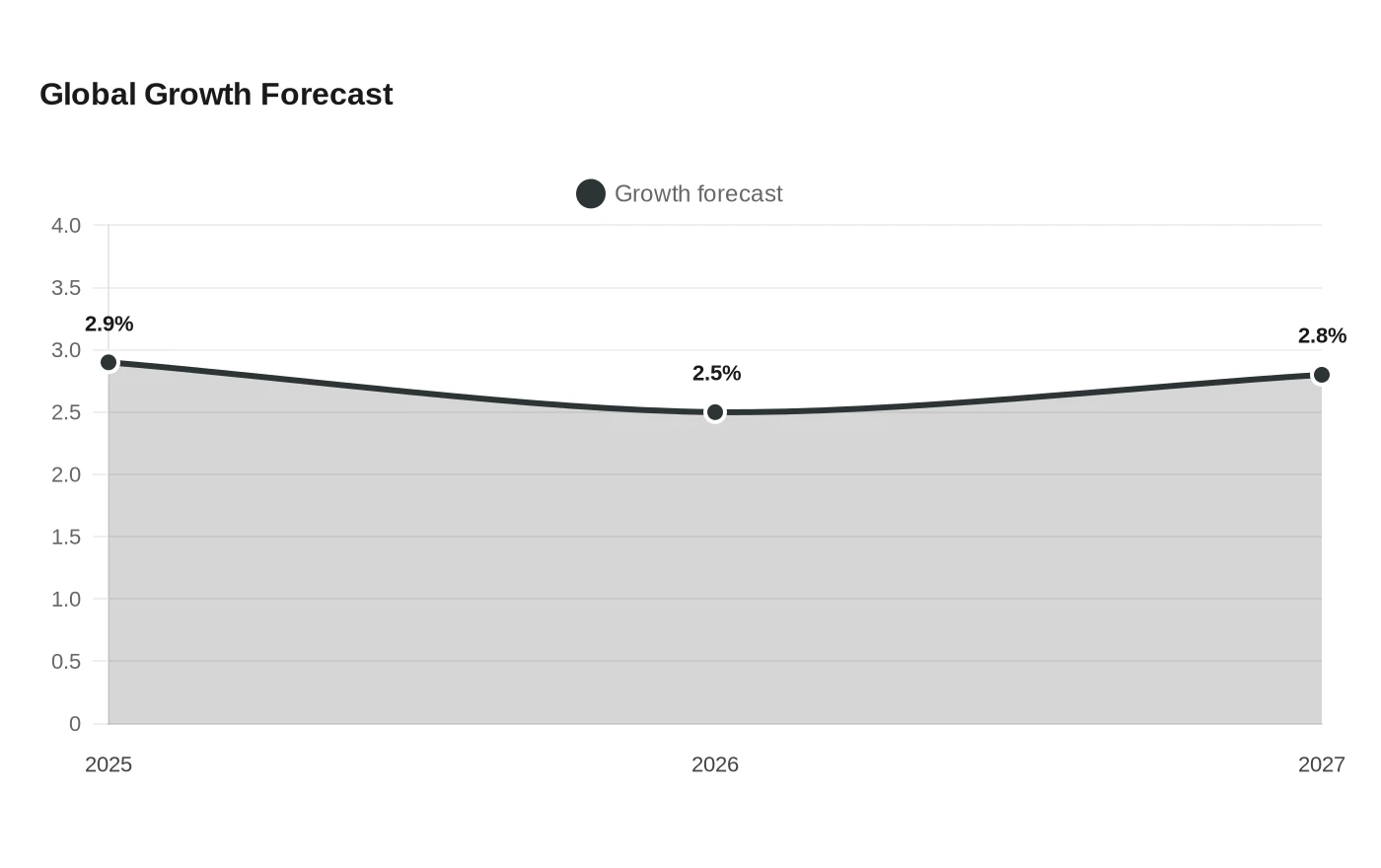
The bank’s June 11 forecast marked a downgrade from 2.9% global growth in 2025 and showed how widely the shock is spreading: forecasts for two-thirds of economies were cut from January. Growth is still expected to improve to 2.8% in 2027, but that would remain 0.4 percentage point below the 2010s average, a sign that the drag from conflict, inflation and expensive borrowing could linger well beyond the fighting.
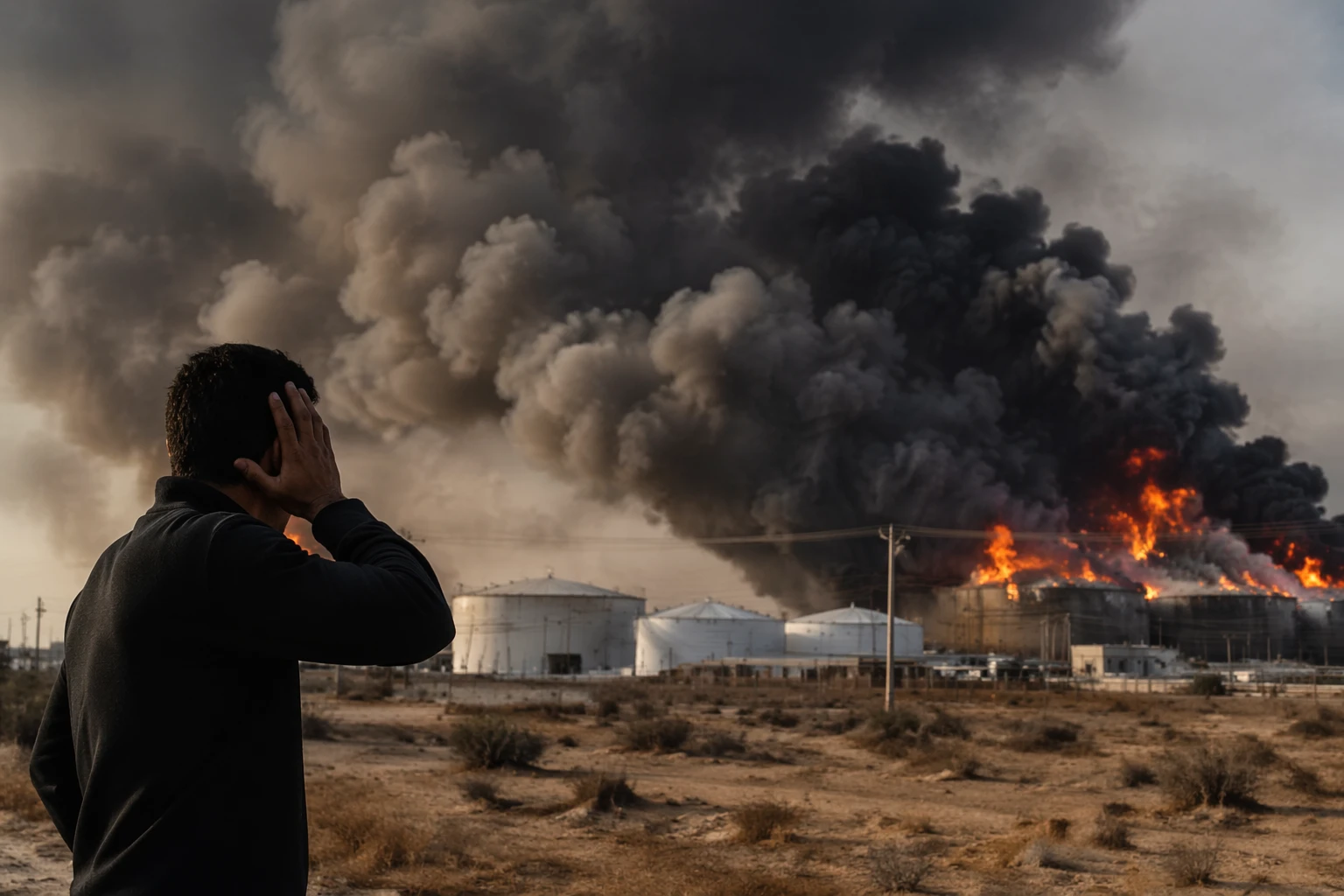
The chain runs through the Strait of Hormuz, where disruption has lifted oil prices and fertiliser costs and sharpened fears of a food-supply squeeze. The World Bank said its baseline assumes Brent crude averaging $94 a barrel this year, while a harsher case, in which the shock lasts longer, pushes the average to $115 and lifts global headline inflation to 4.4%. If the energy shock spreads into financial markets, the bank sees growth slowing further to 1.3%.
Ayhan Kose, the World Bank’s deputy chief economist, warned that the outlook could weaken quickly if energy and financial pressure reinforce each other. That matters for American consumers as much as for oil-importing countries abroad: higher fuel costs can filter into shipping, groceries and airline fares, while persistent inflation can keep interest rates elevated and make borrowing more expensive for homebuyers, small businesses and manufacturers.

The bank’s most severe downgrades were concentrated in the Middle East, especially in energy exporters such as the United Arab Emirates, Iraq, Kuwait and Qatar. The June forecast came as the war launched by U.S. and Israeli strikes on Iran on February 28 entered its fourth month, and the bank described the situation as the biggest supply shock in 50 years. A separate World Bank commodity outlook in April had already projected energy prices would surge 24% in 2026 to their highest level since 2022, showing that the global economy was entering the war with little cushion.
The World Bank also said weak growth in developing economies has stalled progress toward advanced-economy income levels. Even without an immediate global recession, the message was clear: a regional war is now shaping prices, hiring and investment far beyond the Middle East, and the cost will be felt in markets and kitchen tables alike.