Sports
World Cup 2026 breaks records as Messi and Kane chase history
The 2026 World Cup is barely underway, yet it has already started to redraw football’s record book. What makes the surge so striking is not just the quality on the pitch, but the structure of the tournament itself: this is the first 48-team World Cup, spread across Canada, Mexico and the United States from 11 June to 19 July 2026, with 104 matches instead of 64.
A tournament built to produce more history
The expanded format changes the scale of everything. With 48 teams and an extra round of 32, there are simply more fixtures, more minutes and more chances for milestones to fall, which is why ESPN has described the record chase as built into the design of the competition. FIFA has called it the biggest World Cup ever by fixtures, and that matters because some records now sit in a very different statistical environment than they did in the 32-team era.
That distinction is important. A record like most goals in a single tournament can be meaningful, but it is also heavily shaped by volume. The more matches that are played, the more likely it becomes that totals rise, which means the 2026 edition is not only producing great football, it is also changing the baseline against which greatness is measured.
Attendance has already set the tone
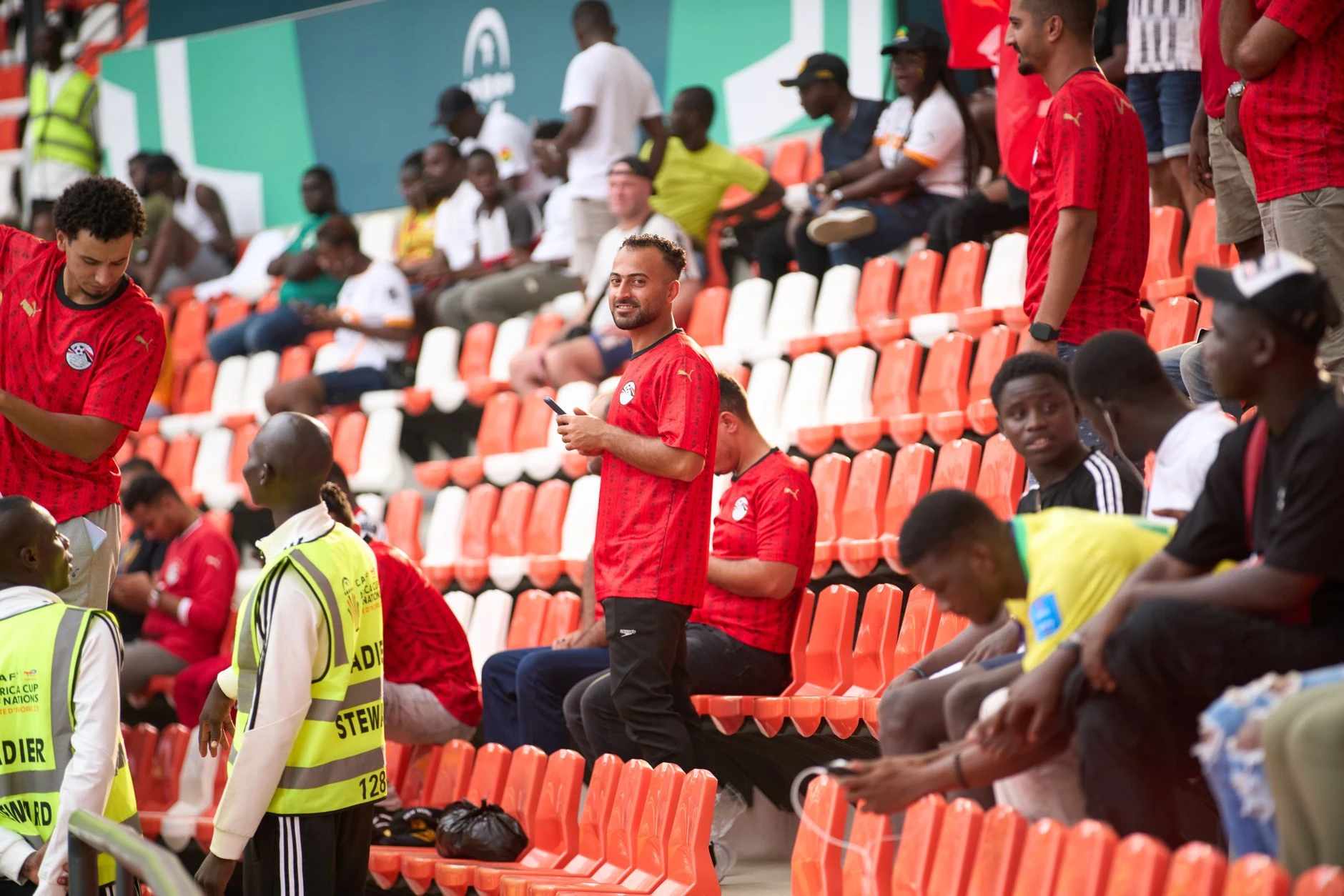
The clearest early sign of that new scale came in the stands. FIFA confirmed that 281,223 fans attended four group-stage matches on 16 June 2026, setting a new daily attendance record just six days into the tournament. That figure surpassed the previous high of 277,070 from the 1994 World Cup, and FIFA president Gianni Infantino highlighted it as the highest-attended day in the competition’s history.
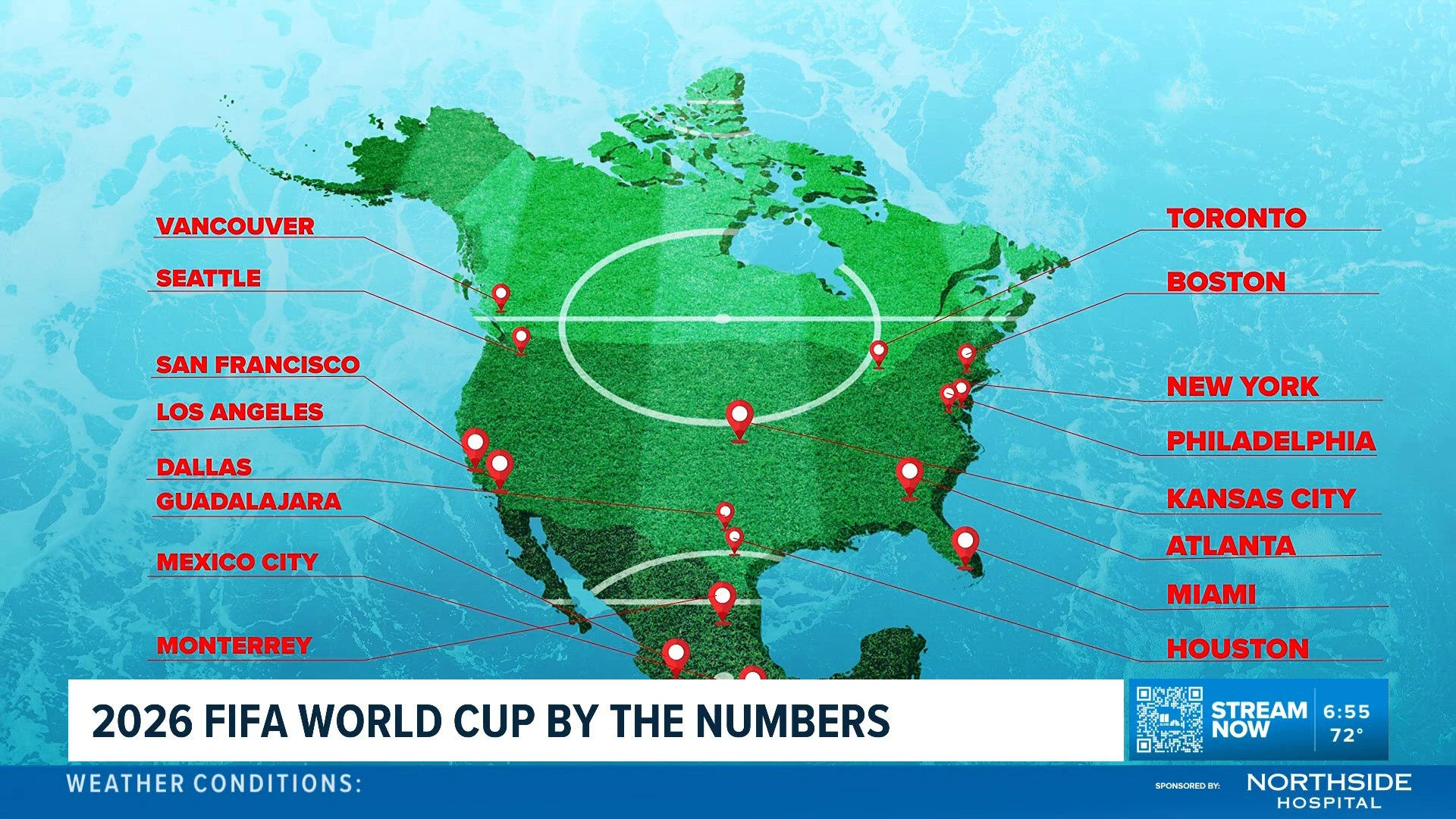
This is one of the more meaningful records because it reflects real demand, not just expanded opportunity. The 48-team format, and the fact that the tournament is being staged across three countries rather than one, has widened access and created more local entry points for fans in Canada, Mexico and the United States. In that sense, the attendance record is not an accident of arithmetic. It is evidence that the event is reaching bigger crowds across a larger footprint.
Messi, Kane and the race at the top
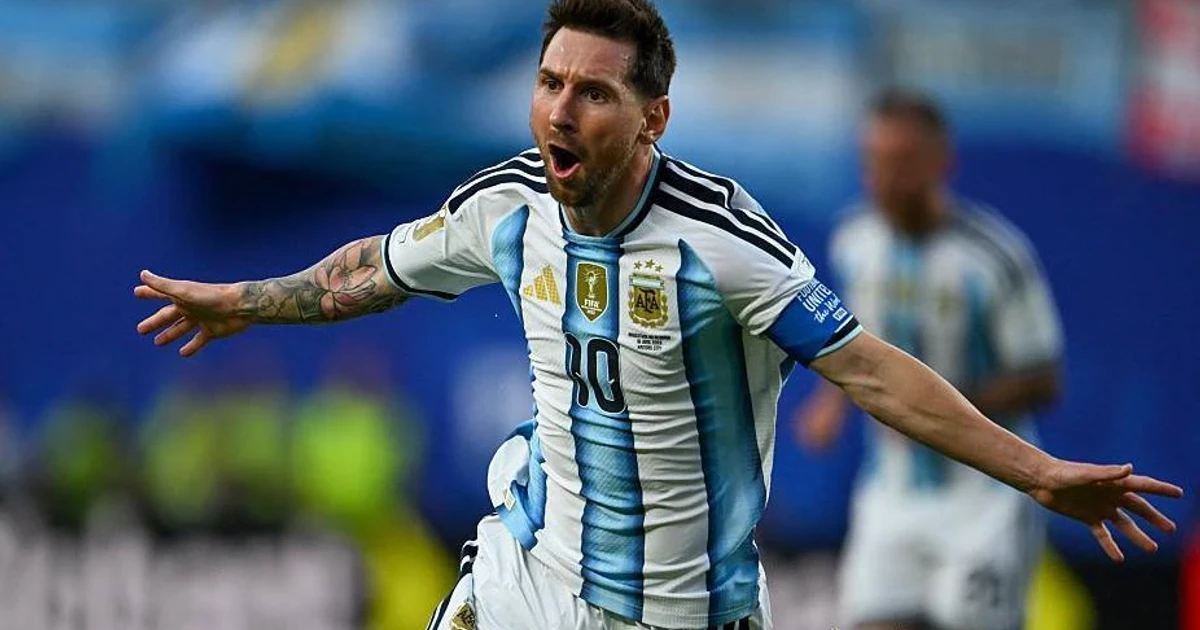
On the field, Lionel Messi remains the central figure in the individual-record chase. His opening hat-trick moved him level with Miroslav Klose on 16 World Cup goals, the men’s all-time record. Kylian Mbappe, on 14 World Cup goals, is close enough to keep pressure on that mark as the tournament develops.
Harry Kane has also moved into historic territory. His two goals against Croatia took him to 10 World Cup goals, level with Gary Lineker as England’s all-time top scorer at the finals. Just as significant, he became only the second England player, after David Beckham, to score at three different World Cups. That makes Kane’s tally more than a number; it is a marker of longevity across multiple cycles of international pressure.
Cristiano Ronaldo remains part of the same conversation. Messi and Ronaldo are both set to make their sixth World Cup appearances, extending an era that has already defined modern football’s global reach. Ronaldo has scored in every World Cup he has played in so far, another line that speaks to rare durability as much as to finishing skill.
The team and coaching records still matter too
The record chase is not limited to players. Didier Deschamps is now part of a managerial storyline that could reshape World Cup coaching history. He has 14 World Cup wins as France manager, and that puts him within reach of Helmut Schön’s record of 16 wins. If France go deep enough, Deschamps could also become only the second manager, after Vittorio Pozzo, to win two World Cups.
That possibility matters because it shows how the tournament’s structure and its elite teams interact. A deeper run now includes more matches, which means more chances for established powers to accumulate victories and for long-standing records to come under pressure. In a larger tournament, managerial legacy becomes easier to build, but also harder to compare directly with previous eras.
Which records are real milestones, and which are products of the format
The most eye-catching tournament-wide scoring record is the one already waiting in the background. The previous high for goals in a single World Cup was 172 in Qatar in 2022, itself a step up from 171 in both 1998 and 2014. With 104 matches on the schedule, that number is now under immediate threat, and Guinness World Records says it is almost certain to fall.
That record is important, but it should be read carefully. A higher goal total can signal open play, attacking talent and tactical freedom, yet it is also partly a statistical artifact of expansion. The attendance record feels different. It reflects the way three host nations, a broader footprint and a larger calendar have widened the tournament’s reach. Together, they explain why the 2026 World Cup is already breaking records before the knockout rounds have even fully taken shape.
Sources
- [1]bbc.com
- [2]sports.yahoo.com
- [3]espn.com
- [4]inside.fifa.com
- [5]fifa.com
- [6]guinnessworldrecords.com