Sports
World Cup 2026 faces extreme heat, humidity and storms across host nations

The 2026 World Cup opened as much as a climate stress test as a soccer tournament. With 48 teams, 104 matches and 16 host cities spread across the United States, Mexico and Canada, organizers faced a month of extreme heat, suffocating humidity and thunderstorms that could upend matches with little warning.
FIFA said it built the schedule to minimize travel, maximize rest days and account for temperatures, cooling infrastructure and other venue factors. It also ordered three-minute hydration breaks in each half of every match, a rule that will apply regardless of weather. But health and climate experts said those steps did not go far enough for a tournament running from 11 June to 19 July, especially as climate-driven heat risk has sharpened across many of the host cities.
The central question is no longer just air temperature. It is wet-bulb globe temperature, a measure that combines heat, humidity, sunlight and wind to estimate how hard the body must work to stay cool. University of Oregon physiology professor Chris Minson has pointed to the danger of humidity, which blocks sweat from evaporating and strips away one of the body’s main cooling mechanisms. In especially humid venues such as Houston, Miami, Dallas and Monterrey, that danger is not theoretical.
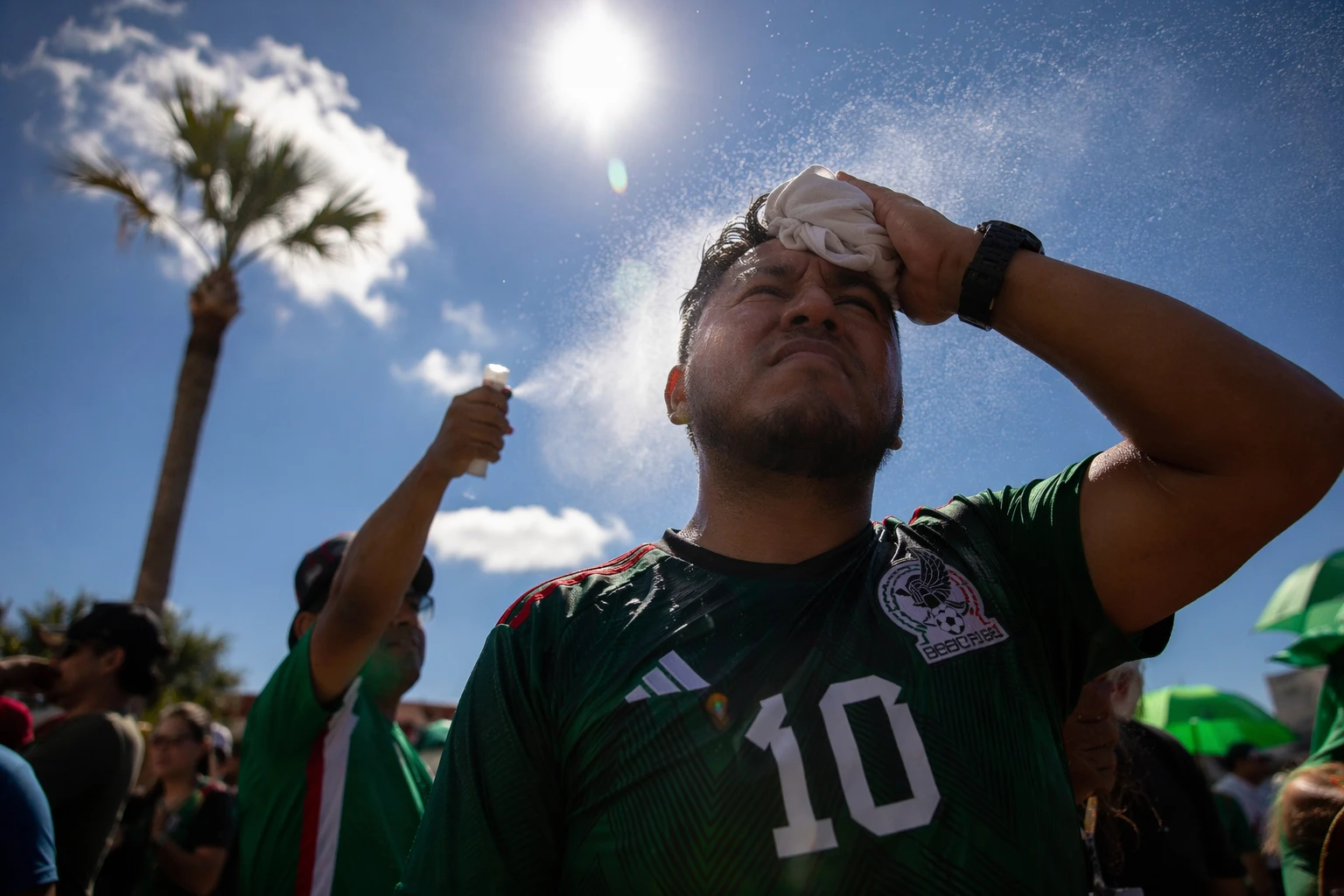
An open letter sent in May by medical, public health, performance and climate science experts argued that FIFA’s heat-safety rules were inadequate. The signatories said FIFA’s 32°C WBGT action threshold was too high for elite play and urged lower thresholds, longer cooling breaks and clearer rules for delaying or postponing games in dangerous conditions. Some experts cited 28°C WBGT as a significant-risk point. World Weather Attribution warned that roughly a quarter of matches could be played in conditions above recommended safety limits.
Climate Central’s live match-risk tracker has reinforced that warning, flagging performance-impairing heat in many fixtures and especially high-risk conditions in Guadalajara, Dallas, Houston and Atlanta. One estimate put the chance of performance-impairing heat at 70% for the 26 June Uruguay-Spain match in Guadalajara, 37 percentage points higher because of climate change. Seasonal forecasts also point to above-normal temperatures across large parts of the United States, while moisture moving north from the Gulf of Mexico could fuel severe thunderstorms during the opening weeks.
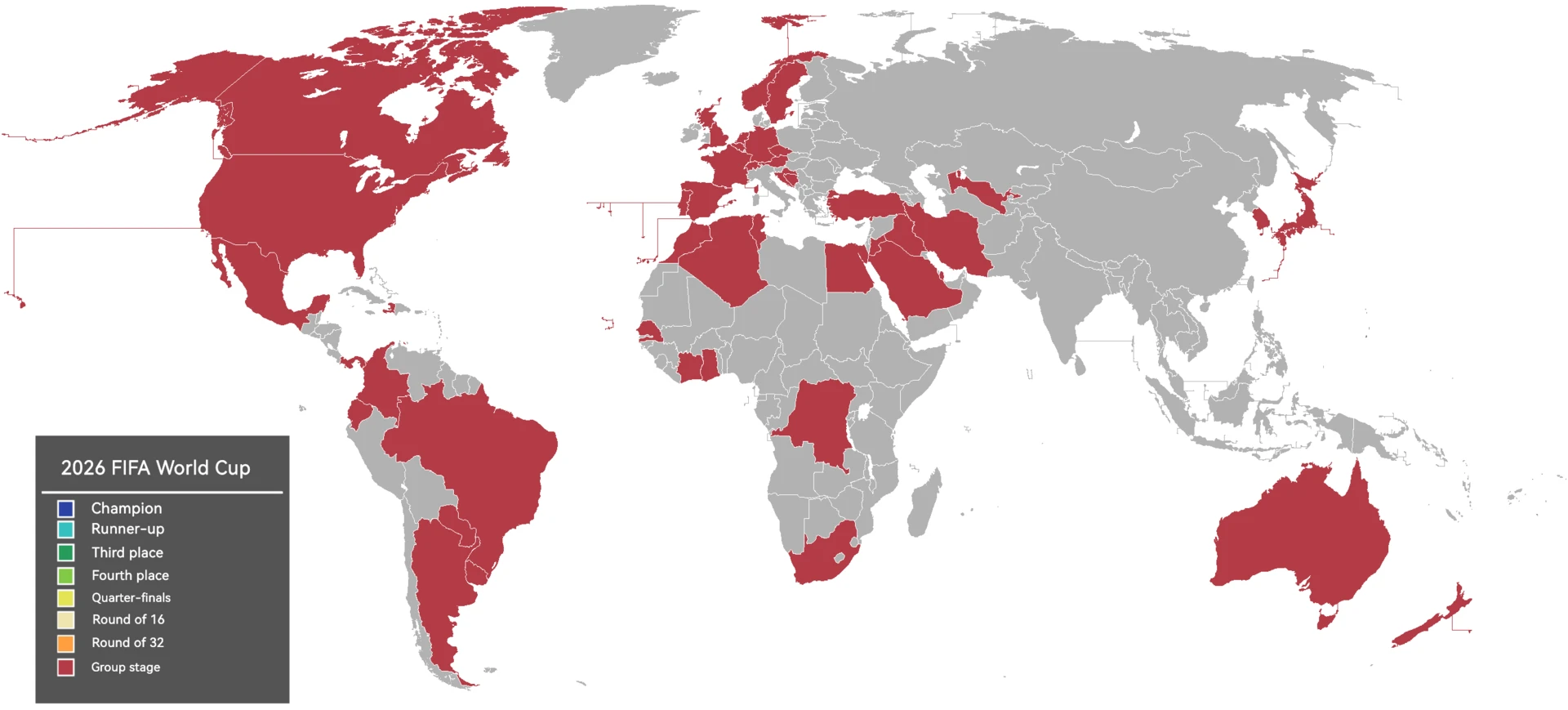
The burden reaches beyond players. FIFA’s water-bottle policy for fans drew backlash before the tournament, before the rules were clarified to allow spectators to bring one small or sealed bottle into venues. In open-air stadiums, fans, workers and volunteers will all be exposed to the same heat. Even the final on 19 July will push into new territory, with the first halftime show in World Cup history arriving in the middle of a competition already forcing global sports governance to catch up with hotter summers.
Sources
- [1]sports.yahoo.com
- [2]fifa.com
- [3]inside.fifa.com
- [4]climatecentral.org
- [5]newweather.org
- [6]lshtm.ac.uk
- [7]weather.com
- [8]usatoday.com