Sports
World Cup 2026 free kicks showcase set-piece brilliance
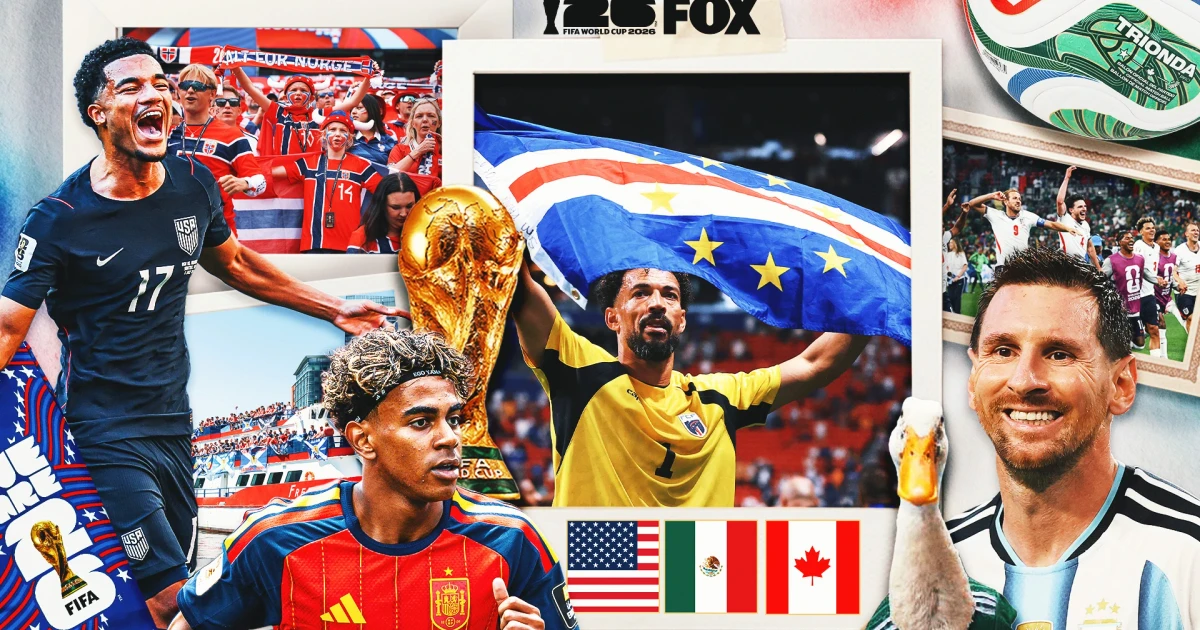
FIFA’s Free Kick Magic collection assembled 19 memorable free-kick moments from World Cup history, and the 2026 tournament gave that tradition fresh relevance across Canada, Mexico and the United States. The official highlights hub was built to relive “every single World Cup match,” but the direct free kick remained one of the most decisive ways to change a game with a single strike over the wall.
The tournament began Thursday, June 11, 2026, and it was the first World Cup played with 48 selections. FIFA’s official statistics page, player statistics page and group-stage statistics article gave the competition a data-heavy frame, turning set pieces from a reel of spectacular clips into a measurable part of the tournament’s rhythm.
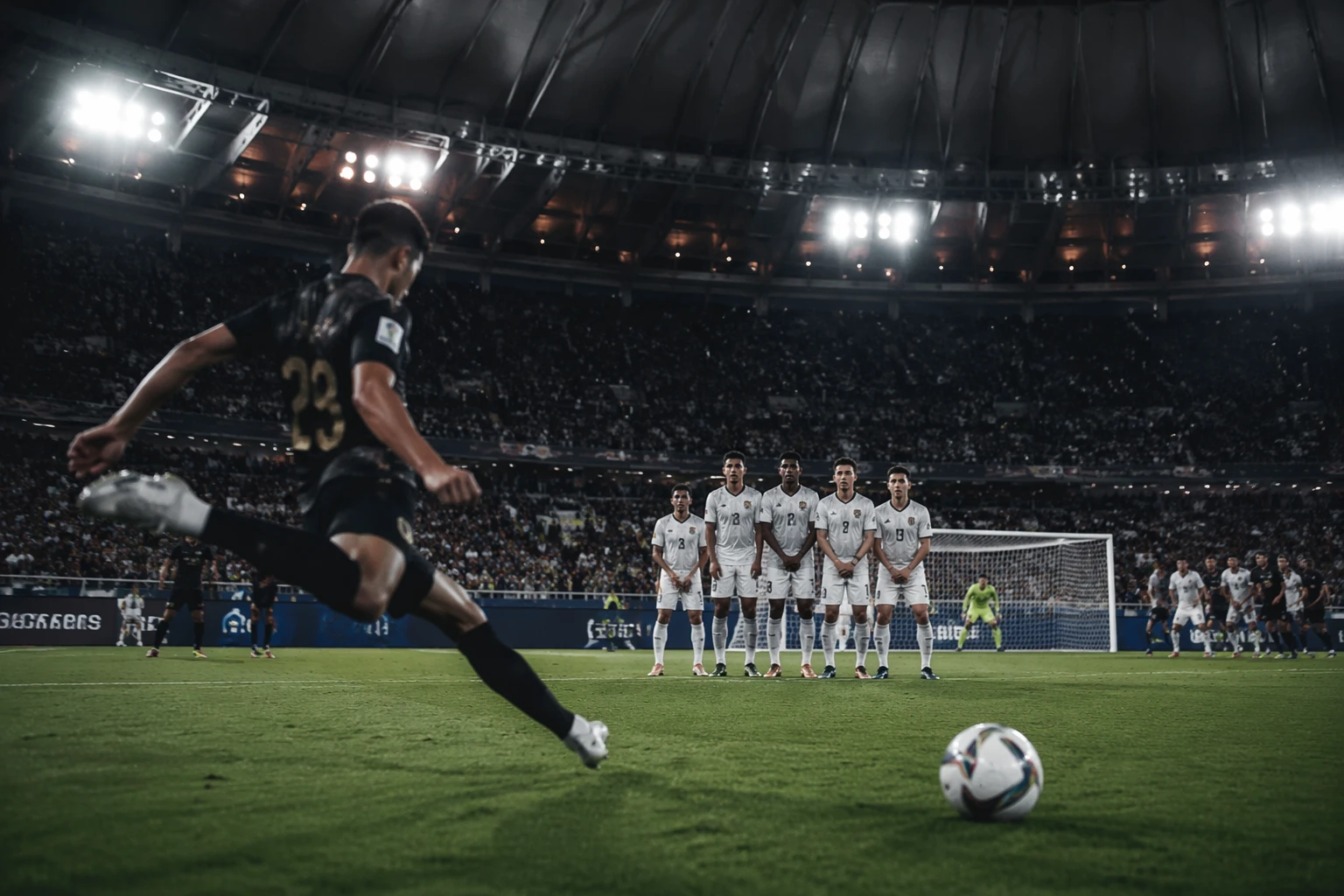
That statistical lens sharpened on June 23, when CBS Sports Golazo published a video comparing 2026’s goals per game with every World Cup since 1966 and focusing on the number of goals scored from set pieces. In a tournament that generated significant analytical attention, the discussion pointed to a clear tactical pattern: teams were finding value not just in open play, but in rehearsed dead-ball sequences that could punish a lapse in marking or a poorly positioned wall.
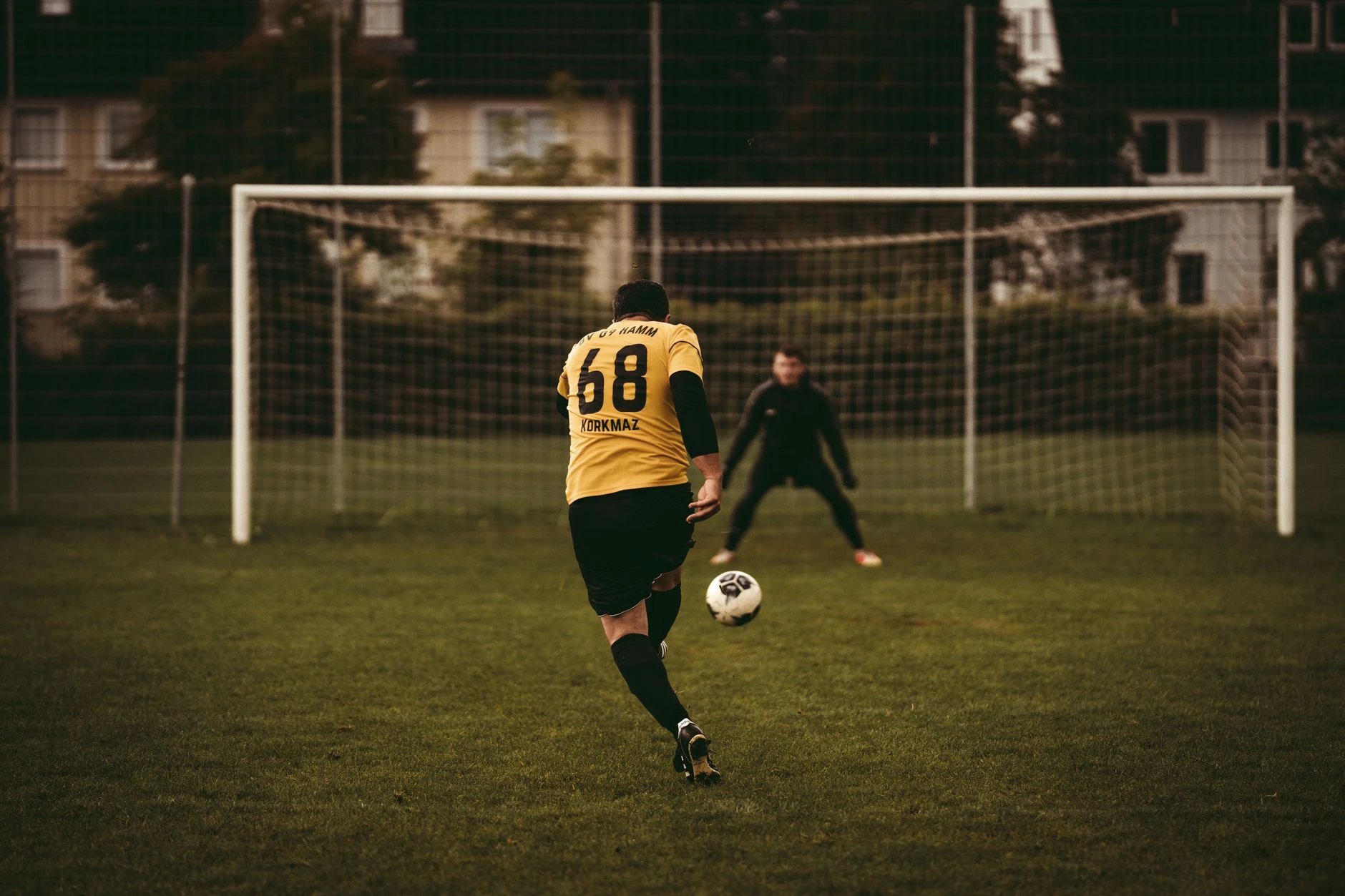
The free-kick goals mattered because they exposed how thin the margins had become. Direct free kicks demand exact striking, a clear plan for the wall and goalkeeper, and the confidence to finish from distance under the pressure of a World Cup stage. In a 48-team tournament, where crowded knockout paths and tighter defensive structures can leave fewer clean chances, one dead ball can shift the entire shape of a match.
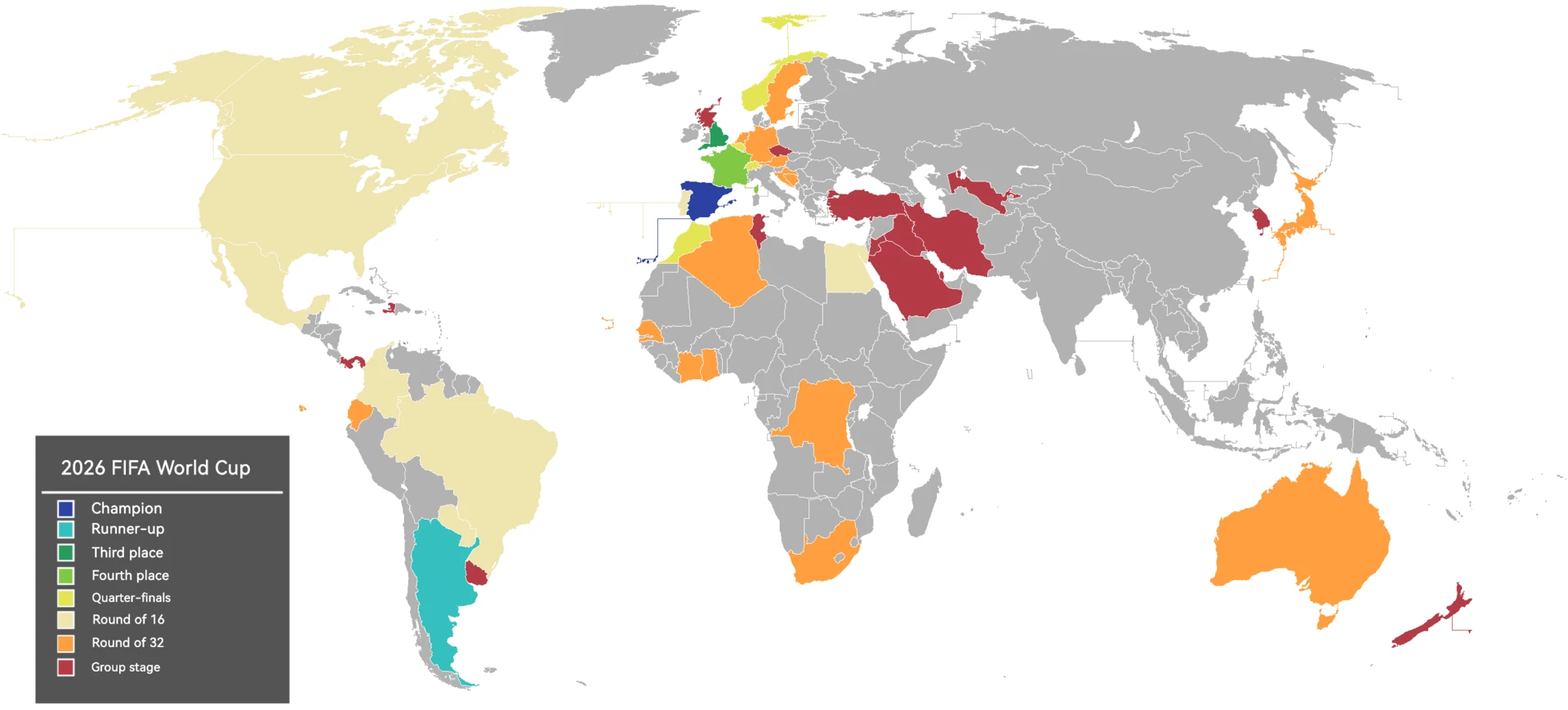
FIFA’s decision to place Free Kick Magic alongside its 2026 highlights and statistics pages underlined the same point from another angle. The World Cup has always made room for dead-ball artistry, but 2026 gave it renewed prominence as a tactical weapon, a statistical category and a match-winning skill that kept drawing attention long after the final whistle.
Sources
- [1]telemundo.com
- [2]fifa.com
- [3]youtube.com
- [4]collect.fifa.com