Business
World Cup 2026 prize money surges as host cities cash in

FIFA raised the 2026 World Cup prize pool to a record $871 million, turning the tournament into a far larger cash engine for the sport’s center of power even as the costs stayed local. The figure, approved in April, built on FIFA’s earlier $727 million commitment to participating member associations, a pot it said was already 50% larger than Qatar 2022.
The money is only one part of the tournament’s commercial scale. FIFA said the World Cup reaches millions of people in more than 200 countries, and it has lined up 21 official partners for 2026, including eight FIFA partners, eight second-tier sponsors and five third-tier supporters. With 48 teams and 104 matches spread across 16 venues in Canada, Mexico and the United States, the event gives FIFA and its commercial backers a broader North American footprint than any previous edition.

Host-city leaders have tried to put their own numbers on the upside. The New York/New Jersey Host Committee projected a $3.3 billion economic impact for its region, a headline figure that reflects the spending hoped for from visitors, sponsors and event operations. But the early evidence from other host markets has been less uniform. Hotel bookings have lagged in some cities, while high ticket prices have been flagged as a possible deterrent for foreign travelers, limiting the spillover that local officials promised.
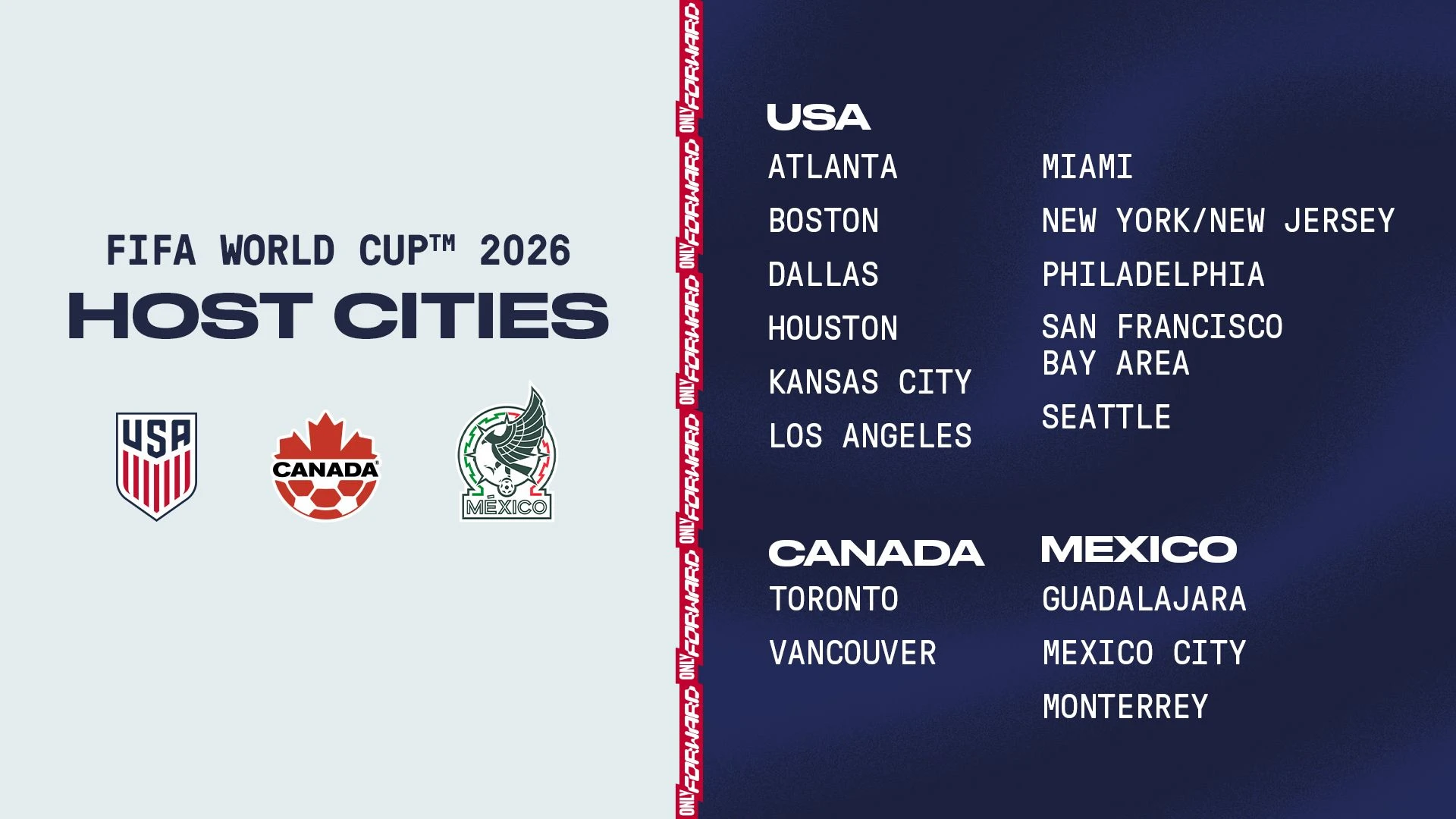
That gap matters because many of the direct gains are concentrated among FIFA, broadcasters, sponsors and hospitality vendors, while the risks are pushed onto local budgets and neighborhood businesses. Kansas City small businesses told KCUR that the tournament was hurting sales rather than boosting them, with no clear surge to offset the disruption. In Toronto, CBC News said debit and credit card spending at restaurants and bars rose only 3% during the first two weeks of the tournament there, a weak lift for a city that had been sold a larger payoff.

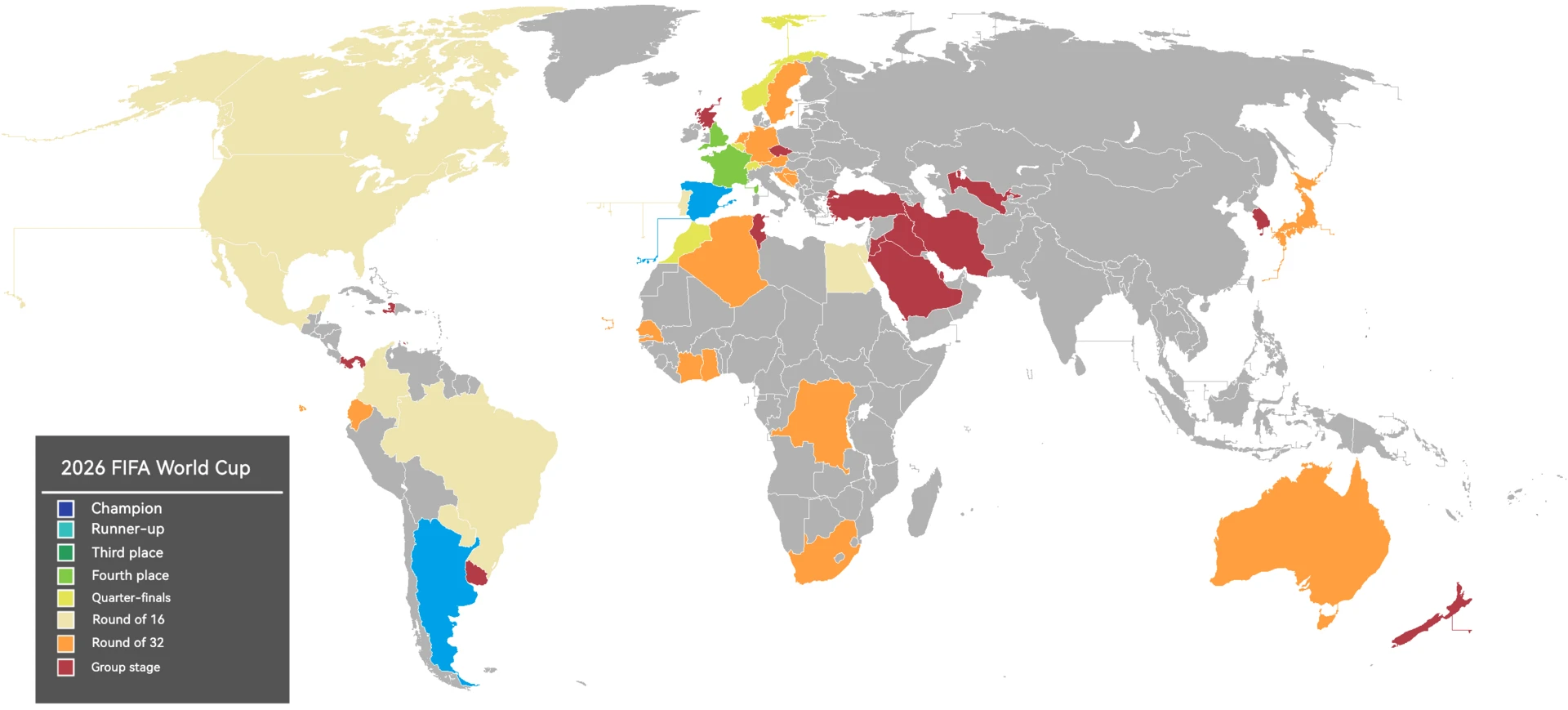
The tax treatment also shows how carefully the money is being managed across borders. The Canada Revenue Agency, Mexico’s Servicio de Administración Tributaria and the U.S. Internal Revenue Service agreed on an allocation method for prize money and other compensation to avoid double taxation. That arrangement protects payments flowing to players, teams and organizers, but it does not change who carries the upfront burden of security, infrastructure and event-day congestion.
Sources
- [1]bbc.co.uk
- [2]inside.fifa.com
- [3]bbc.com
- [4]fifa.com
- [5]nynjfwc26.com
- [6]aljazeera.com
- [7]kcur.org
- [8]cbc.ca
- [9]canada.ca