Sports
World Cup crowds flood U.S. cities as record TV audiences soar

The World Cup opened with a split-screen American soccer moment: millions were watching at home while many would-be fans were priced out of the stadiums. FOX drew 6.309 million viewers for Mexico’s 2-0 win over South Africa on June 11, then the U.S. men’s opener against Paraguay surged to a combined 24.886 million viewers across FOX and Tubi, the largest audience on record for a U.S. men’s World Cup match on English-language television.
That surge came as the tournament hit a new scale. The 2026 FIFA World Cup is the 23rd edition and the first to feature 48 teams and three host countries, Canada, Mexico and the United States. All 104 matches are airing live across FOX and FS1, with streaming on FOX One and the FOX Sports app, turning the event into a rare cross-platform ratings test and a major advertising draw.
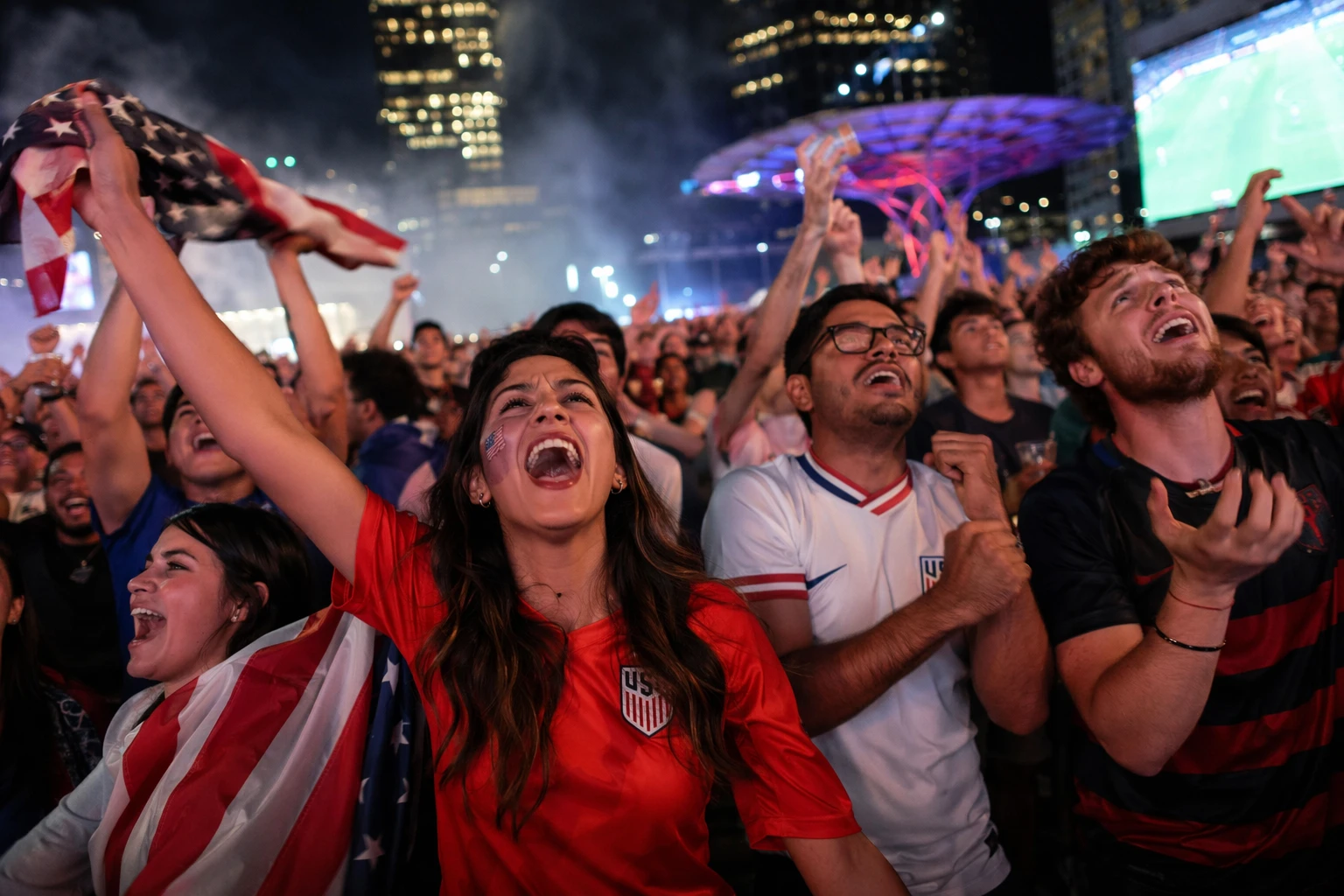
Inside stadiums, however, access has been far tighter. FIFA introduced dynamic pricing for the first time at a World Cup, and some group-stage tickets were still on general sale in June. For the U.S. opener against Paraguay in Los Angeles, seats reached $4,105, while Category 3 tickets were listed at $1,120. The cheapest tickets were $380 for seven different games, but the broad picture was clear: the in-person experience was no longer a mass-market bargain.
FIFA said demand had broken records, with more than 150 million ticket requests submitted during the Random Selection Draw phase from fans in more than 200 countries and territories. That demand fits the broader trajectory of the sport in North America. Nielsen said soccer fandom across the region rose 11% from 2020 to 2025, and 67% of U.S. World Cup fans plan to watch full games even if they are not attending in person, signaling a fan base that is growing even as stadium access narrows.
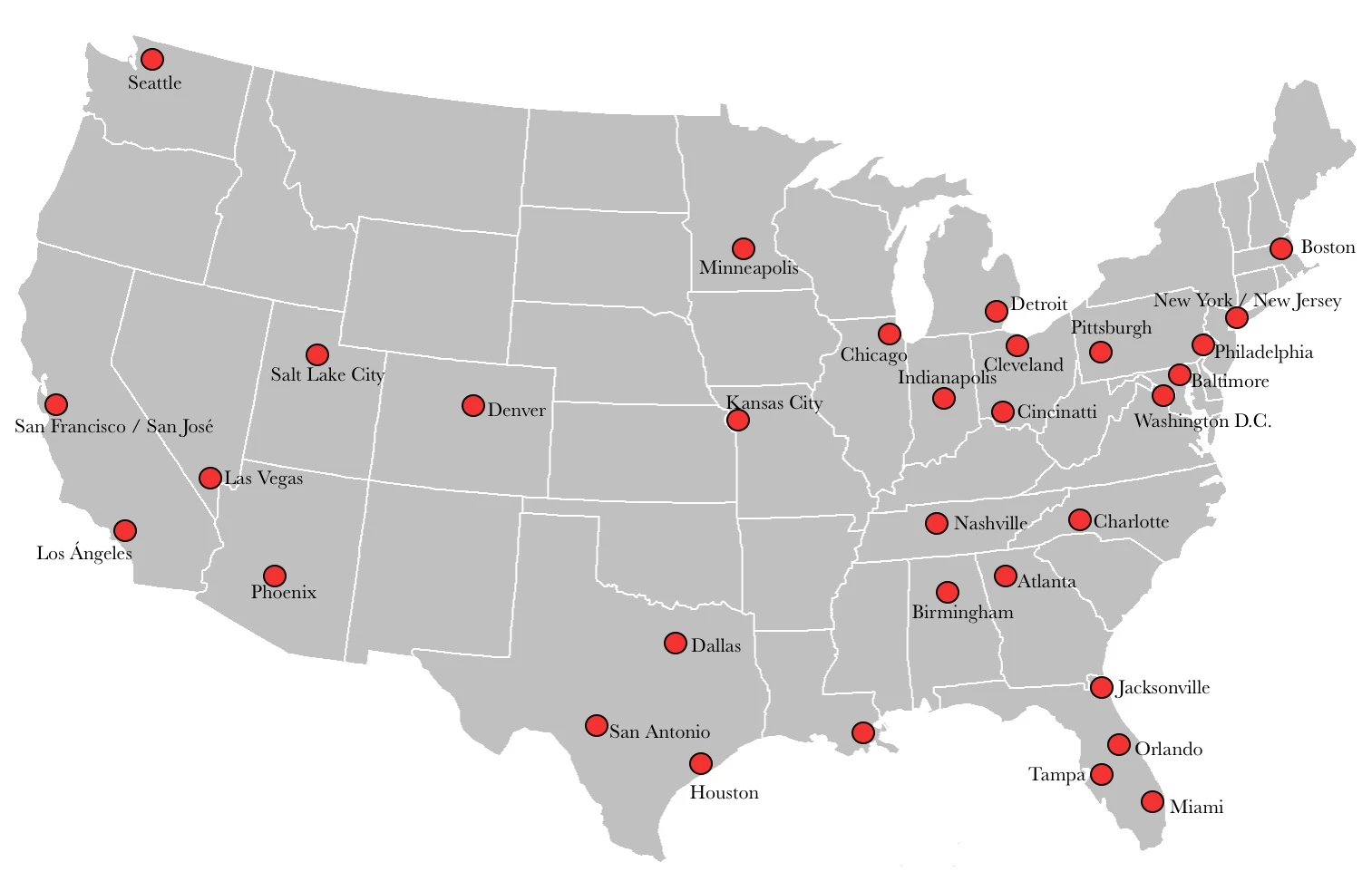
The opening weekend also strained city infrastructure. Bloomberg reported about 1.2 million soccer fans were expected in the New York City area, while transit officials in New York and New Jersey prepared for as many as 100,000 extra travelers a day. In the stands and on the screen, the message was the same: soccer has become a national event in the United States, but the price of entry shows how unevenly that new mainstream status is being shared.
Sources
- [1]cbsnews.com
- [2]fifa.com
- [3]foxsports.com
- [4]inside.fifa.com
- [5]nielsen.com
- [6]bloomberg.com
- [7]sportsmediawatch.com
- [8]barrettmedia.com