Sports
World Cup crowds from four continents fill 2026 group-stage venues
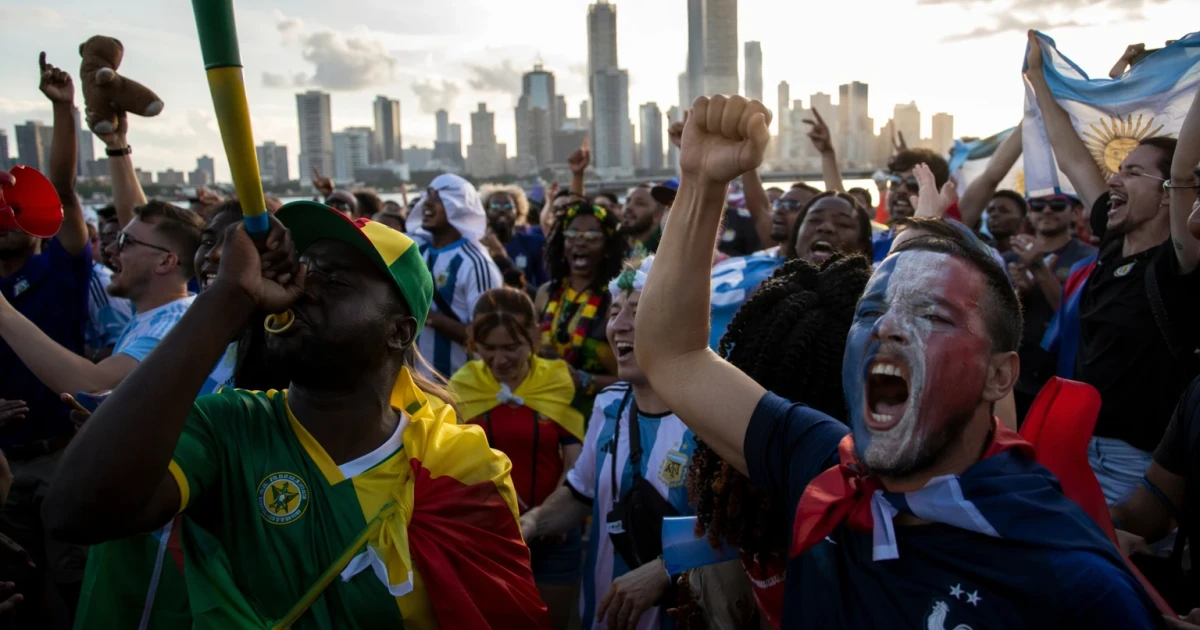
Crowds from four continents turned the 2026 World Cup into a shared civic scene on June 22, with supporters of Argentina, France, Iraq, Norway and Senegal all feeding into the same matchday flow across Dallas, Philadelphia and New York/New Jersey. In a tournament stretched across Canada, Mexico and the United States, the group stage was no longer just a football schedule. It had become a moving display of migration, national identity and the global reach of the game.
The day’s fixtures made that international mix visible. FIFA’s official calendar put Argentina against Austria in Dallas, France against Iraq in Philadelphia and Norway against Senegal in New York/New Jersey, all on the same Monday in Group I and other group-stage action. Argentina won 2-0 in Dallas, while the other two matches drew their own traveling followings into separate host cities, each venue briefly functioning as a meeting point for supporters who had crossed borders and time zones to be there.
That breadth is part of what makes this World Cup different. The 2026 tournament, running from June 11 to July 19, is the first to feature 48 teams and the first to be staged by three host countries. FIFA has framed it as the 23rd edition of the World Cup, and the larger field has widened the range of nations and fan bases showing up in the same competition window.
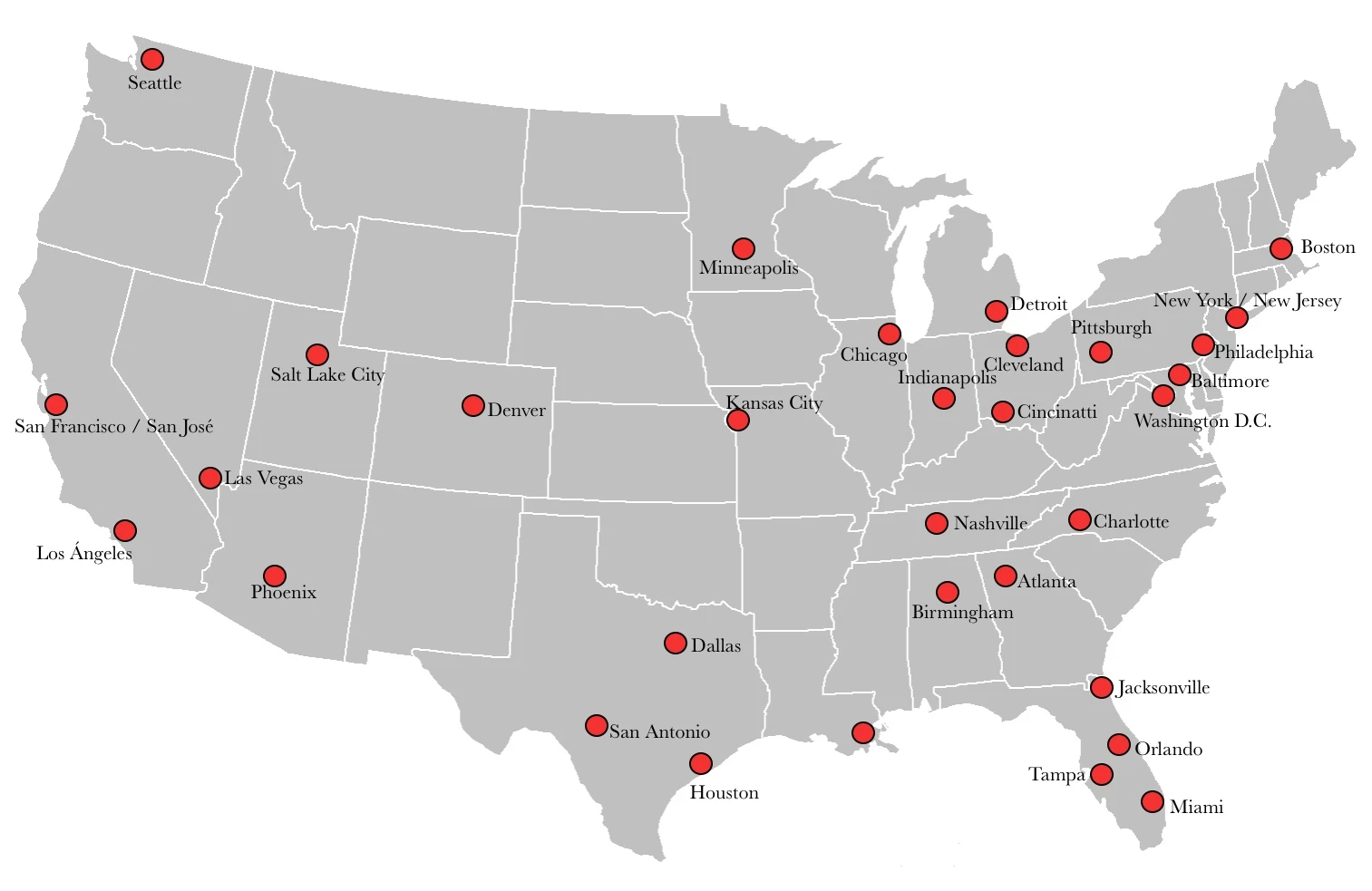
The scale has already produced record crowds. FIFA said 281,223 fans attended four matches on June 16, the highest single-day attendance in World Cup history, surpassing the previous mark of 277,070 set at the 1994 World Cup. That number matters beyond the stadium turnstiles: it shows a tournament whose expansion is not only adding matches, but also drawing larger and more diverse audiences into the host cities that carry its weight.
For Dallas, Philadelphia and New York/New Jersey, the effect is as much political and cultural as it is sporting. These venues are serving as temporary capitals of a global event, places where tourism, soft power and civic identity meet under one tournament banner. On June 22, the World Cup did what it has increasingly come to do: it turned distant national loyalties into a single public spectacle.
Sources
- [1]telemundo.com
- [2]fifa.com
- [3]upi.com
- [4]nbcnews.com