Sports
World Cup crowds surge as Mexico, Korea kick off with wins
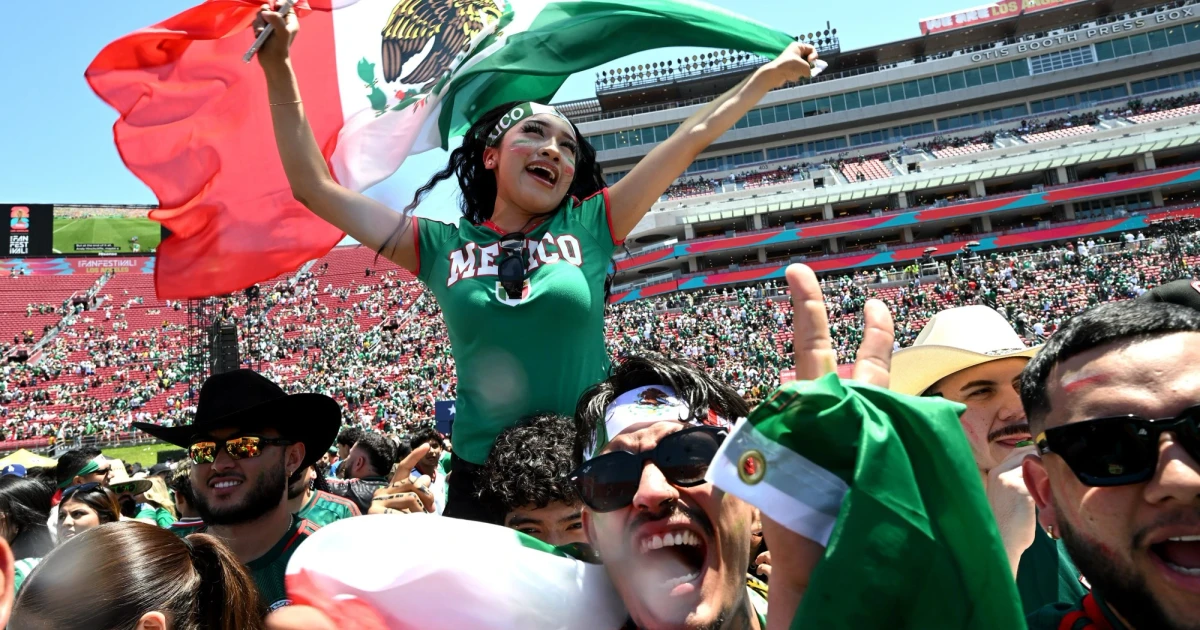
Crowds of Czech, South African, Bosnian, Swiss, Canadian, Qatari, Mexican and Korean supporters turned the opening day of the 2026 World Cup into more than a sporting doubleheader. The first match in Mexico City ended with Mexico beating South Africa 2-0, and later in Guadalajara, Korea Republic topped Czechia 2-1, two results that sent stadiums and public viewing sites into full celebration.
The tournament has already shown the scale that has defined it from the start. This is the 23rd edition of FIFA’s World Cup, the first to feature 48 teams, 104 matches and three host countries, Canada, Mexico and the United States. FIFA has confirmed 1,248 players from 48 nations for the final phase, a roster that underscores how far the competition now reaches beyond its traditional power centers.

That reach was visible far from the pitch. FIFA said its 13 FIFA Fan Festival™ sites had drawn 1,992,302 visitors by the end of the first round of matches, then crossed the 2 million mark the next day. The numbers point to a tournament whose atmosphere is being built as much in plazas, parks and civic spaces as in the stadiums themselves, with fans turning city centers into temporary national enclaves.
The host-city backdrop has amplified that effect. In Mexico City and Guadalajara, the first-day victories gave local supporters a direct stake in the tournament’s emotional register, while the mix of visiting and resident fans turned the matches into a public demonstration of identity and allegiance. The event runs through July 19, giving the host cities seven weeks to manage the surge of crowds and the civic energy that comes with them.
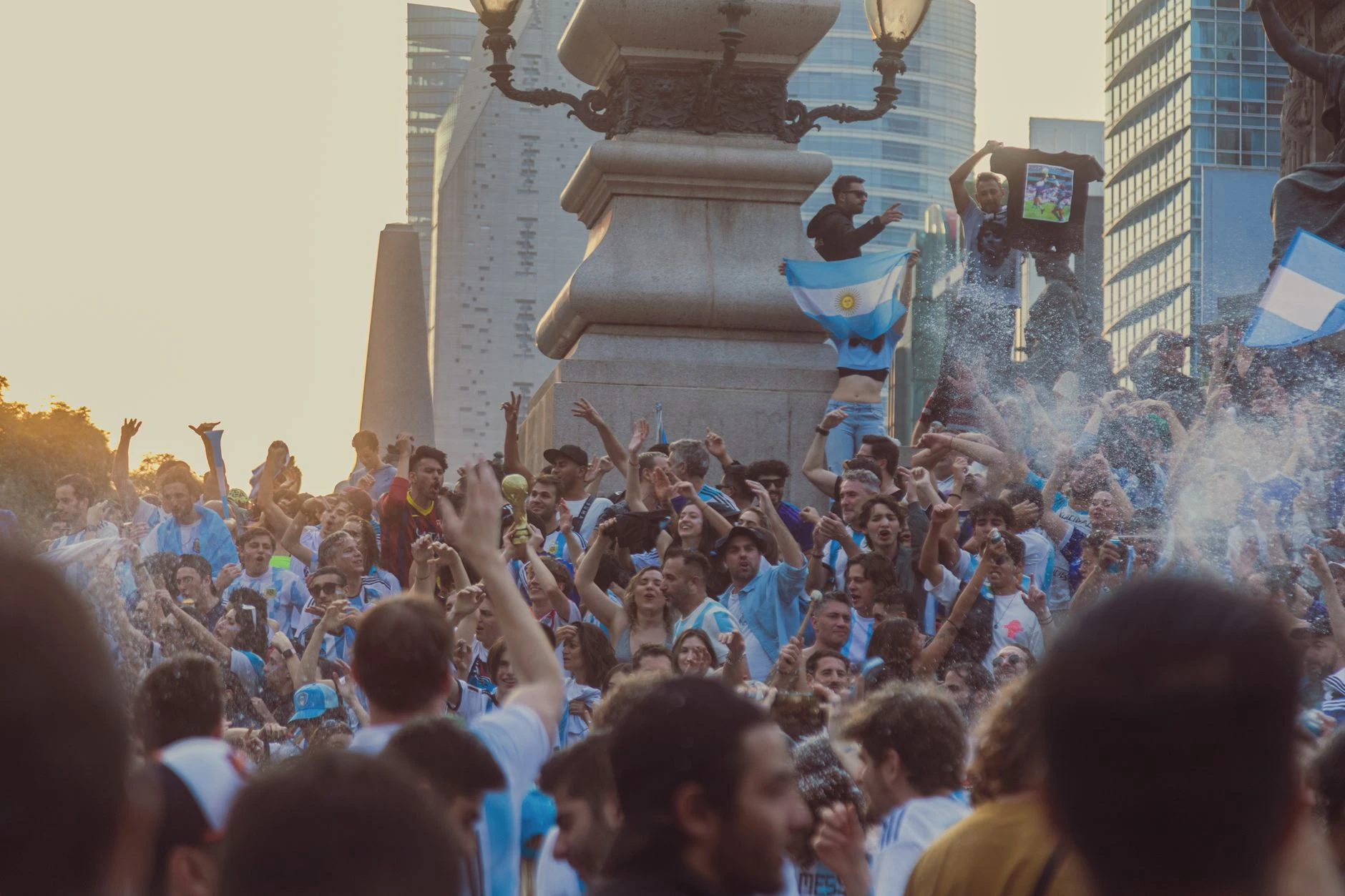
In the United States, the pattern is just as telling. The U.S. Census Bureau has said Mexico has nearly 11 million residents born there, the largest foreign-born community among the World Cup nations it analyzed, with Korea and Colombia next among the biggest groups. That helps explain why some visiting teams can count on large local followings even thousands of miles from home, a reminder that the tournament’s soft power is rooted in migration, memory and community.
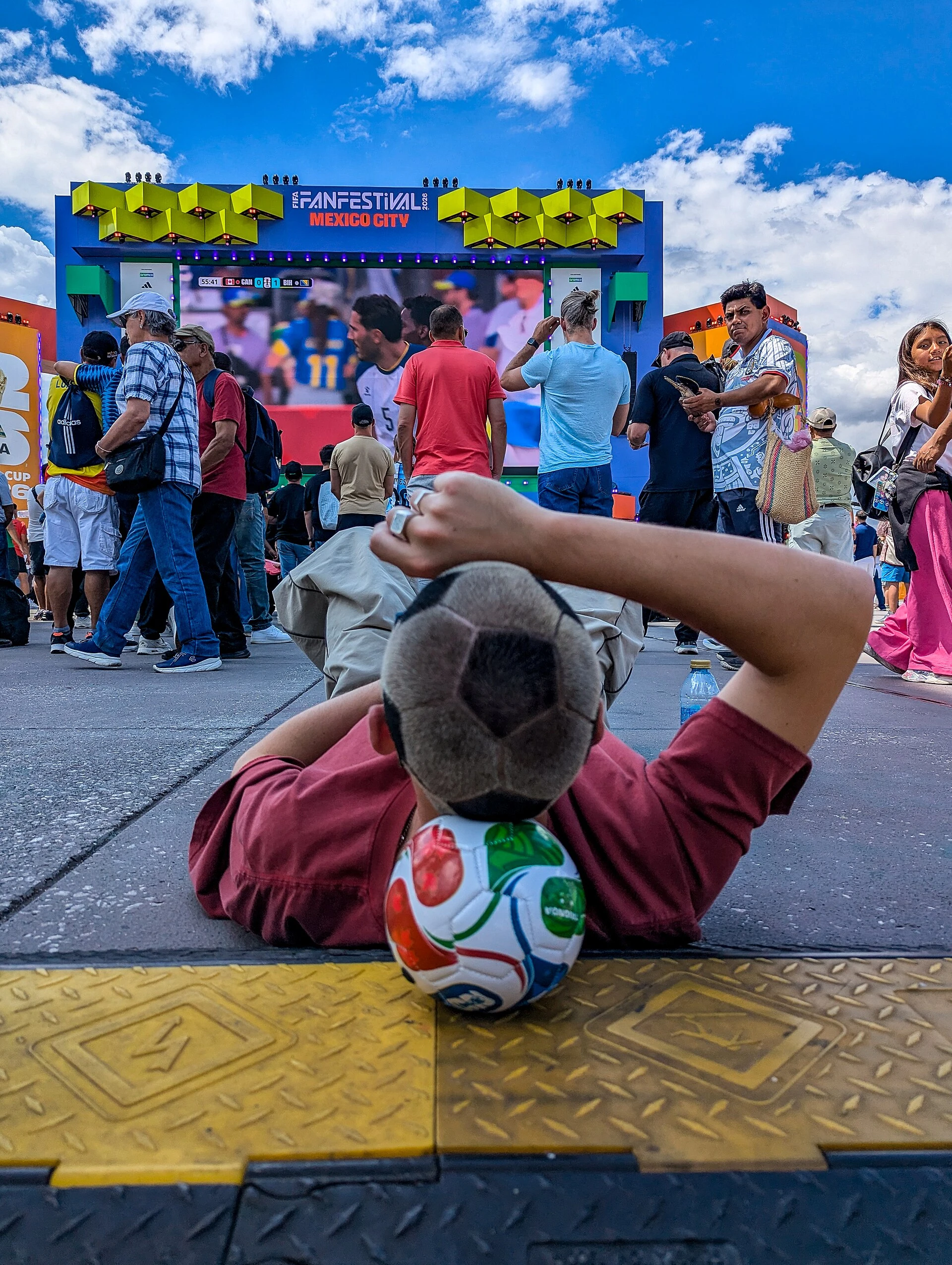
The same dynamic is shaping viewing culture elsewhere. In Sheffield, organizers prepared a Fan City at Devonshire Green so supporters could gather for matches that fall at difficult hours, part of a wider effort to make the World Cup feel communal even when kickoff times do not. Across host cities and viewing sites alike, the early crowds have made one point unmistakable: this World Cup is being experienced as a global civic event, not only a competition for goals.
Sources
- [1]telemundo.com
- [2]fifa.com
- [3]inside.fifa.com
- [4]census.gov
- [5]shef-live.co.uk