Sports
World Cup draws international fans to United States host cities
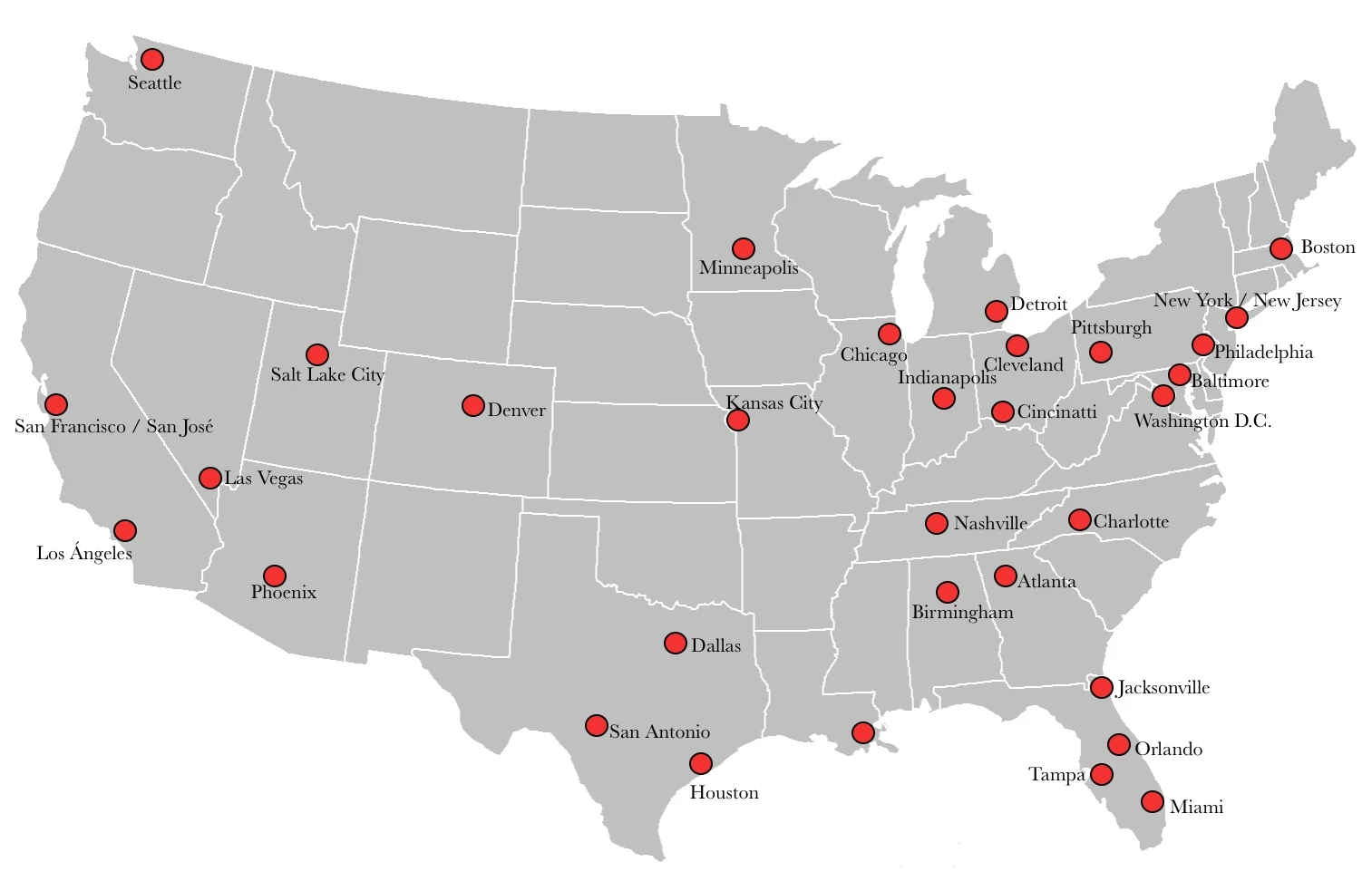
International supporters did not just arrive for a match. They entered a World Cup spread across Atlanta, Boston, Dallas, Houston, Kansas City, Los Angeles, Miami, New York New Jersey, Philadelphia, the San Francisco Bay Area and Seattle, a map that turned the 2026 FIFA World Cup into a lesson in how the United States hosts mega-events.
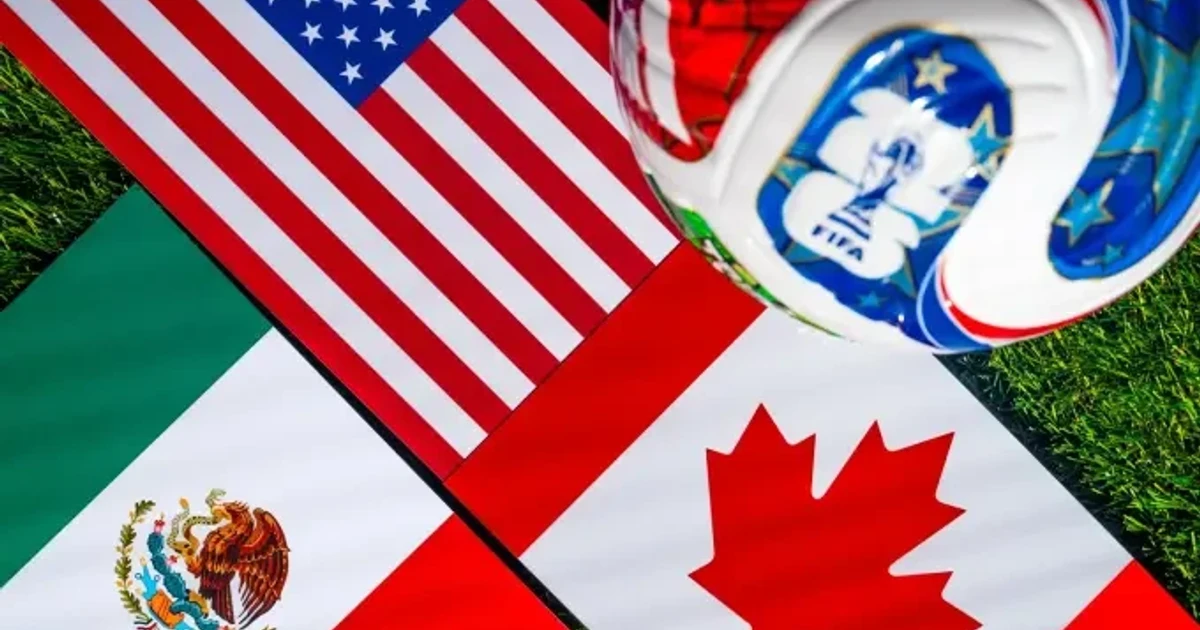
The tournament ran from June 11 to July 19, 2026, with 48 teams and 104 matches staged across 16 host cities in Canada, Mexico and the United States. The opening match took place in Mexico City, while the final was set for July 19 in New York New Jersey. FIFA confirmed a record 1,248 players representing 48 nations on June 2, underscoring the scale of an event already moving across borders and time zones.
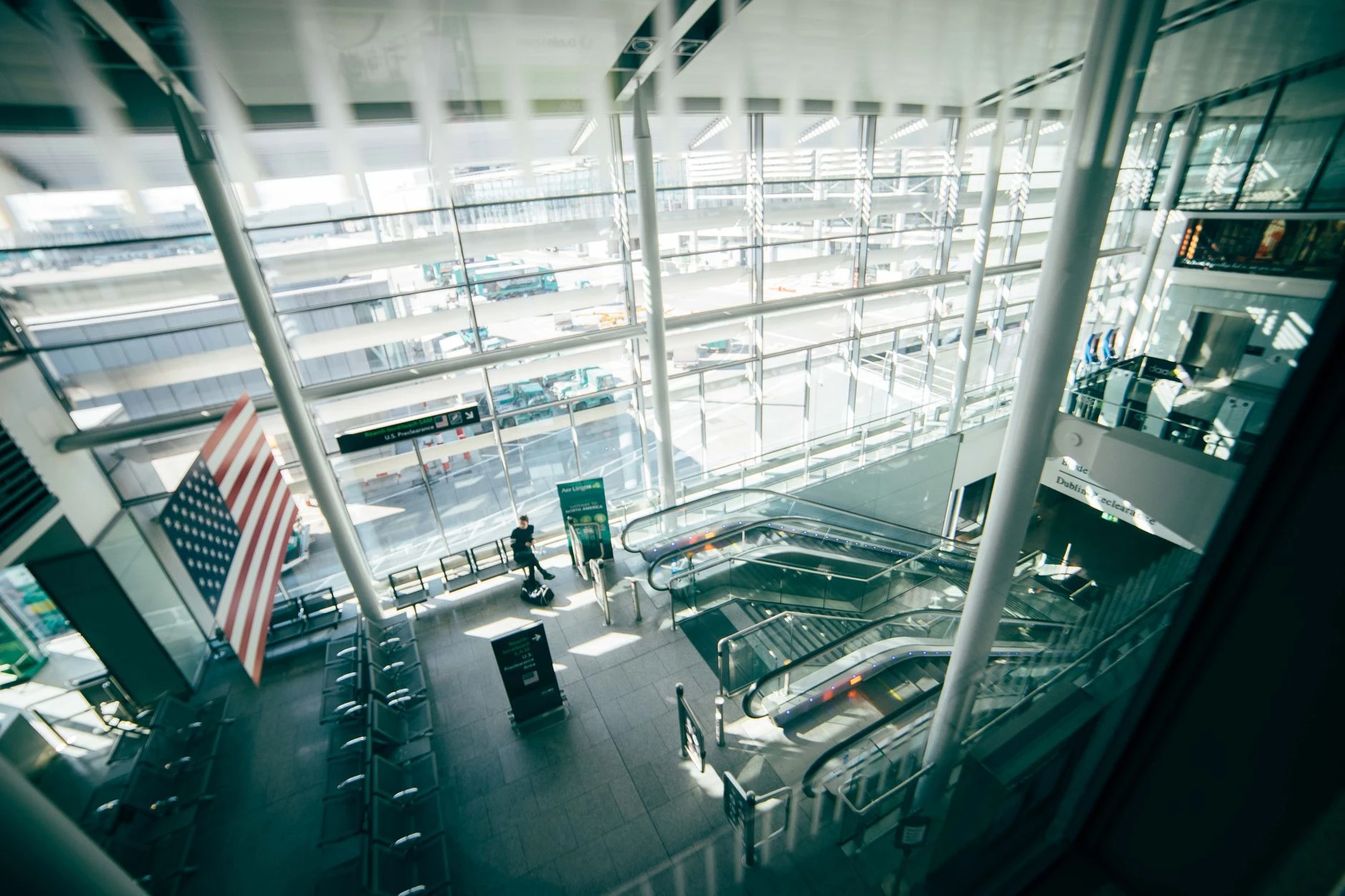
FIFA said the schedule was designed to minimize travel for teams and fans, but the geography still exposed the country's logistical sprawl. For international visitors, the experience of following the tournament meant confronting the realities of American distances, airport connections and repeated check-ins as they moved from one host city to another. The World Cup's own footprint showed one of the United States' clearest strengths, the ability to marshal major cities across a vast territory, and one of its clearest weak points, the cost and complexity that can come with getting around it.
That tension was visible before fans even cleared the airport. FIFA and the U.S. Department of State launched FIFA PASS, a voluntary opt-in system for ticket holders who bought directly from FIFA and may need a U.S. visa. Eligible fans can be prioritized for a B1/B2 visitor visa interview before the tournament begins, but the State Department has made clear that normal visa requirements still apply. For many visitors, that means the path to a match begins with paperwork, not stadium gates.
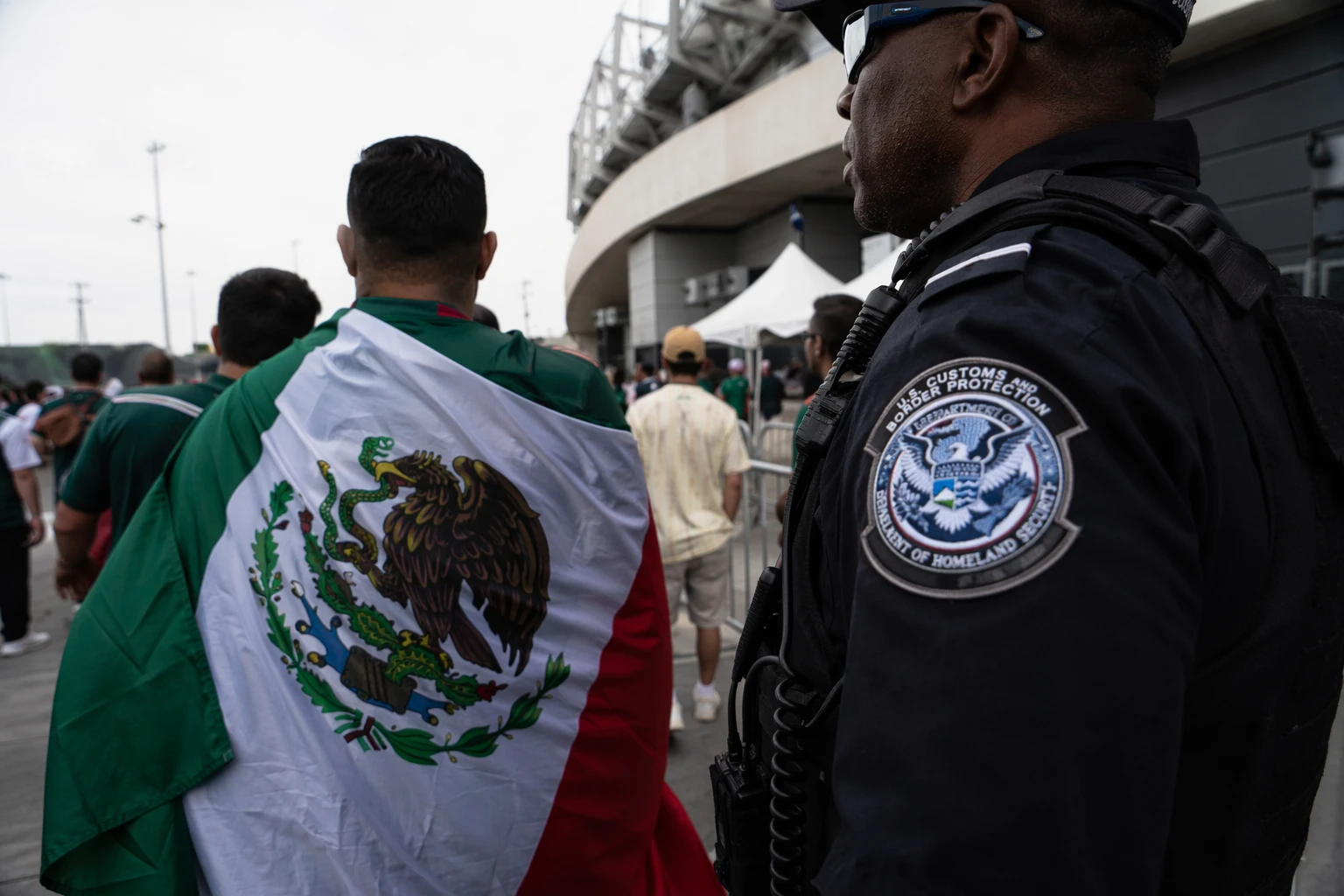
Security screening has also shaped perceptions of the host country. U.S. Customs and Border Protection denied entry to Somali referee Omar Artan, citing "vetting concerns," and ABC News reported that he had been set to become the first referee from Somalia to officiate at a World Cup. The episode added another layer to the story international fans are absorbing: the United States can deliver a huge, city-to-city spectacle, but access to that spectacle is still filtered through visas, inspections and border controls.
As the tournament continued, the image of America being formed abroad was not just about packed stadiums and familiar skyline shots. It was also about the ease or difficulty of moving, the welcome at arrival points, and the systems that decide who gets in.
Sources
- [1]abcnews.com
- [2]fifa.com
- [3]state.gov