Sports
World Cup drives late pub hours and surprise national holidays
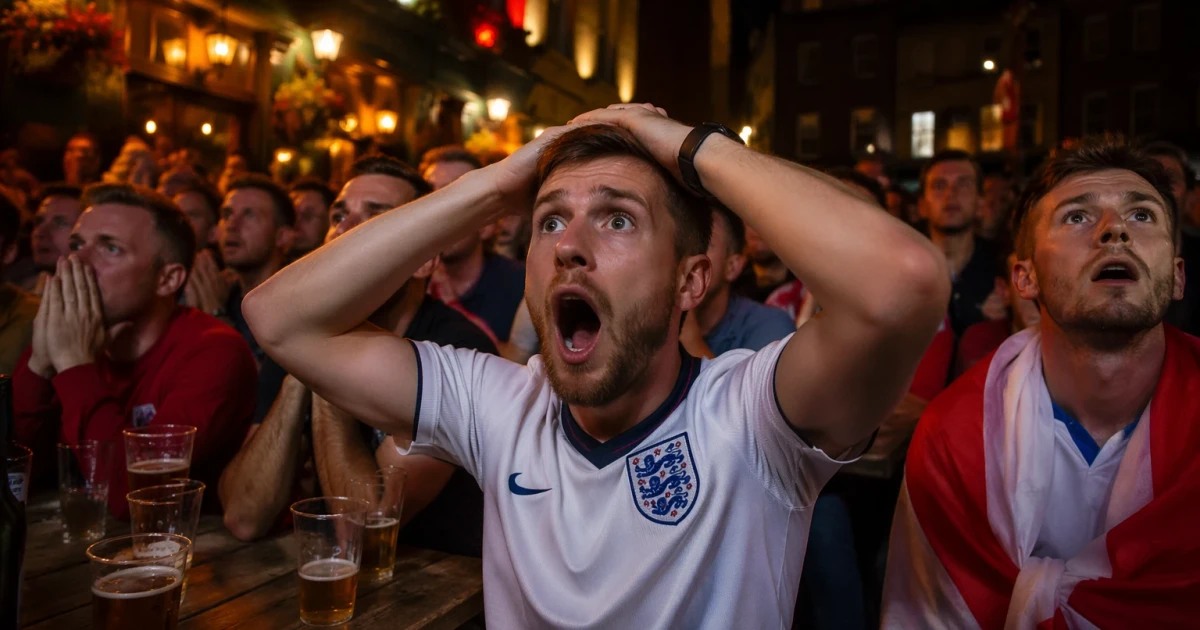
Pubs in England and Wales were given a wider license to stay open for World Cup nights, as the UK government moved to stretch opening hours, allow special screenings and pavement pints, and pressed councils not to block fan events. The changes were framed as a boost for pubs and supporters, but they also showed how quickly normal rules can bend when football becomes a national spectacle.
On June 8, 2026, the government said fans would benefit from extended opening hours, special screenings and pavement pints during the tournament. Behind that announcement was a January 28 Telegraph report that pubs across the United Kingdom would be granted dispensation to open until 2 a.m. for late kick-offs involving home nations, and a consultation that ran from December 4, 2025, to January 15, 2026, on relaxing licensing hours for the semi-finals and final if a home nation reached those stages.
The licensing changes were aimed at England and Wales in particular, where late-night kick-offs have a direct effect on pub takings, staff shifts and local crowds spilling into streets and transport hubs. The government said councils should not stand in the way of fan celebrations, signaling that match-day pressure carried more weight than the usual local objections over noise, crowd control and public order.
By July 3, that flexibility had pushed further still. BBC and Associated Press-style reporting said pubs in England and Wales could stay open until 5 a.m. for England’s match against Mexico, a dramatic extension that underscored how far licensing rules could be stretched once fan demand and television schedules collided.
The same World Cup also produced a different kind of state response in Paraguay. President Santiago Peña declared a national holiday after Paraguay’s shock win over Germany and after the team reached the Round of 16, casting the result as a historic victory worth marking across the country. The move turned a football upset into a day off for workers and public institutions, showing how quickly sporting success can spill into the calendar of government itself.
Taken together, the decisions in London and Asunción show a shared political calculation: World Cup matches are treated less like ordinary fixtures than mass civic events that can justify exceptions in licensing, labor schedules and public administration. The beneficiaries are easy to name, pubs and jubilant fans, but the tradeoffs are carried by local authorities, workers asked to stay late, and public services that have to absorb the consequences when the party runs past dawn.
Sources
- [1]nytimes.com
- [2]gov.uk
- [3]telegraph.co.uk
- [4]bbc.com
- [5]sports.ndtv.com