Sports
World Cup expansion faces scrutiny as new format debuts in 2026
The 2026 World Cup will feature 48 teams, 104 matches and a Round of 32 in which eight third-place teams can still advance from the group stage. FIFA’s 23rd tournament will be staged across Canada, Mexico and the United States from 11 June to 19 July 2026, with a format built to produce more games while trying to keep the competition live.
A bigger tournament with a narrower edge
The structure is straightforward on paper: 48 teams are split into 12 groups of four, every team plays each group opponent once, and three points go to a win while one point goes to a draw. The top two teams in each group, plus the eight best third-place teams, advance to a new Round of 32, which means the knockout stage begins later and reaches deeper into the field than the 32-team format that ran from 1998 through 2022. A team that reaches the final would play eight matches, one more than under the previous model.
That extra match changes the emotional math of the group stage. In a four-team World Cup group, every match once carried the possibility of ending a campaign outright; under the new format, the third-place safety net means a side can survive with less than a dominant record, especially if it protects goal difference and stays close to the pack. The result is a broader field, but also a tournament in which some late group games may hinge more on permutations than pure elimination pressure.
Why FIFA chose this compromise
FIFA first approved expansion to 48 teams in January 2017, when its Council unanimously backed a different plan: 16 groups of three teams, with the top two advancing. That version drew criticism because it would have created a sharper jeopardy problem and opened the door to collusion in final group games, so FIFA eventually settled on the current 12-group format as a safer compromise between inclusivity and competition.
A three-team group can turn one match into a dead end and another into a waiting game; four-team groups preserve the round-robin feel, but the expanded knockout bracket still gives the third-place teams a second life. In practical terms, FIFA chose a format that is easier to defend as sporting merit, even if it still reduces the all-or-nothing tension that defined the old tournament.
The case for expansion is bigger than the bracket
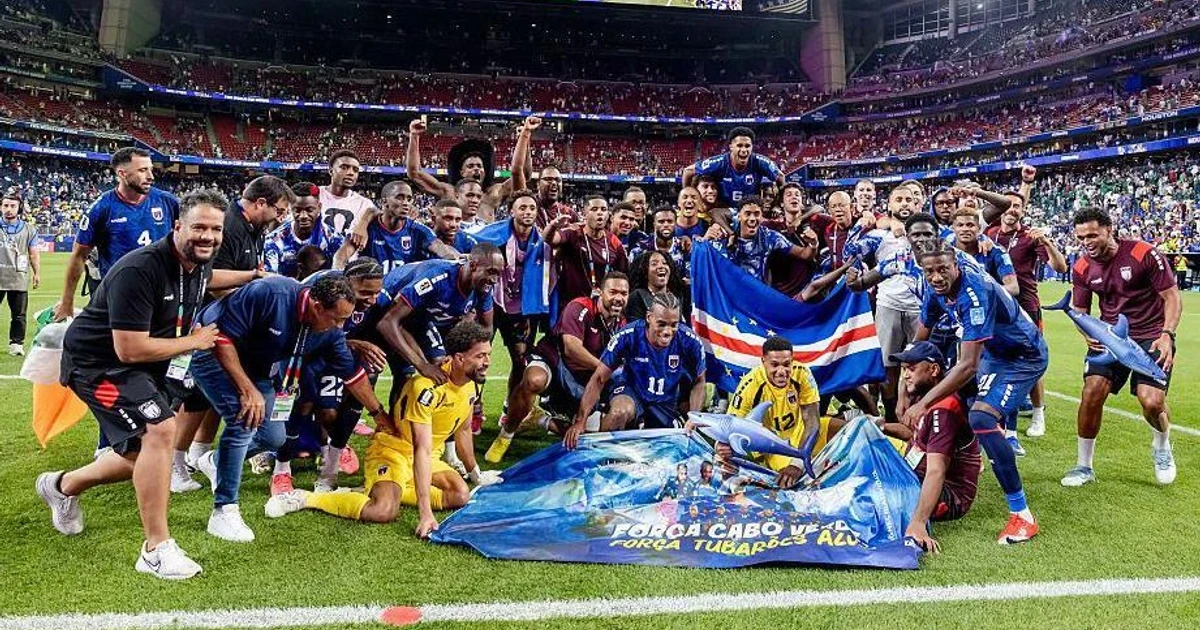
The strongest argument for the new format is that it is already bringing new countries into the frame. FIFA’s squad confirmation showed 1,248 players representing 48 nations, and 891 of those players are set to experience the World Cup for the first time. Cabo Verde, Curaçao, Jordan and Uzbekistan are all making their World Cup debuts, a concrete sign that the enlarged field is widening access beyond the traditional powers.
The draw also produced the kind of early-stage matchups FIFA wanted to sell the expanded event around: debutants Cabo Verde, Curaçao, Jordan and Uzbekistan were paired with Spain, Germany, Argentina and Portugal respectively.
The concern is workload, strain and too many salvage routes
The objection from player representatives has been just as concrete. FIFPRO has warned repeatedly about the pressure created by an expanding calendar, pointing to workload strain, injury risk and the overlap between club and international football. In its 2023/24 men’s workload report, FIFPRO said 54 percent of 1,500 monitored players faced excessive or high workload demands, underscoring why a World Cup that stretches to eight matches for finalists has become part of a wider debate over player welfare.
With eight of the 12 third-place teams advancing, the expanded format increases the number of sides that can stay alive deep into the final round of group play, but it also raises the chance that some matches will feel more like scorekeeping exercises than true knockout tests.
What the first month will tell us
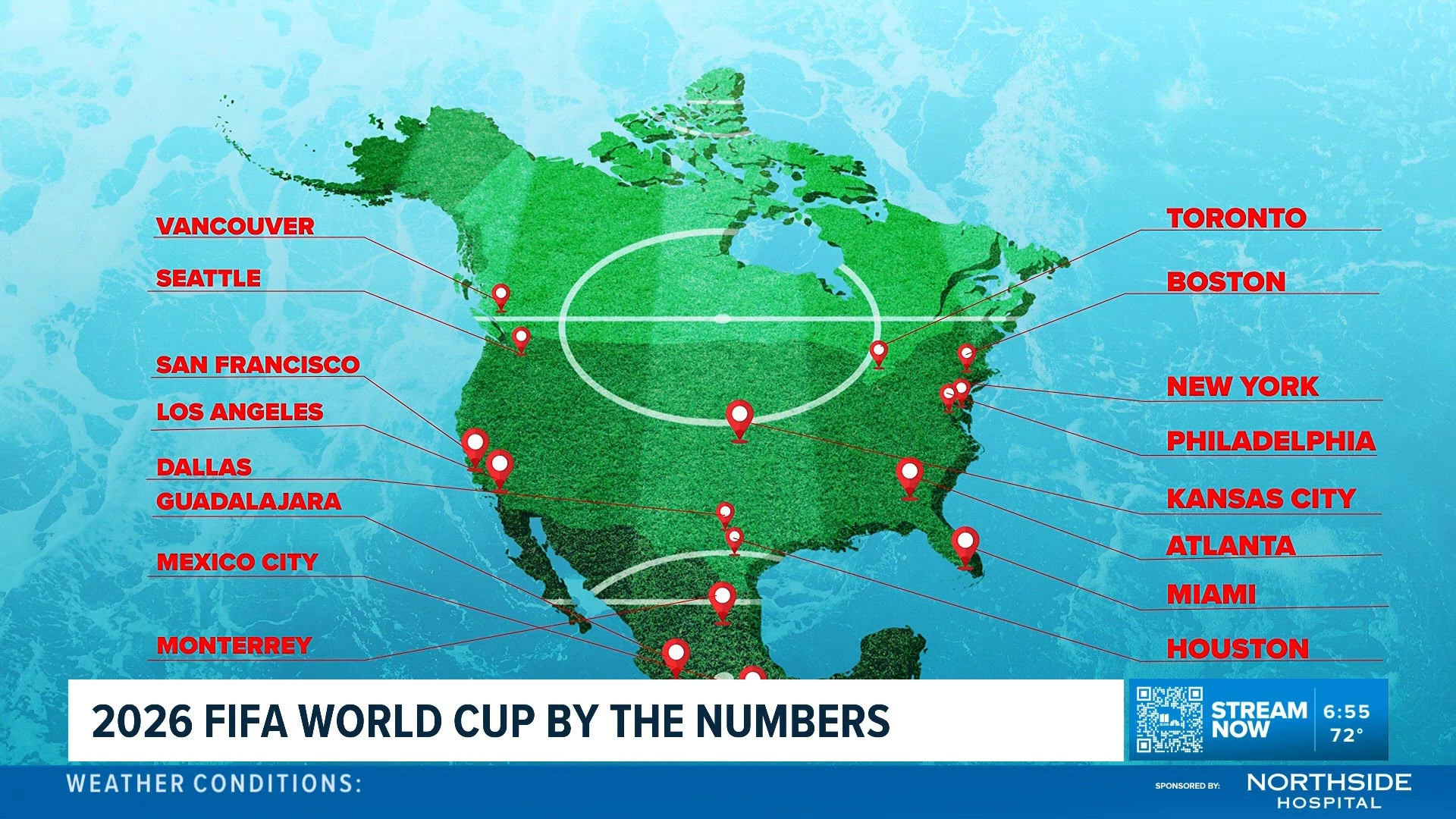
The group stage runs from 11 June to 27 June 2026, before the knockout phase begins, and the final is scheduled for 19 July 2026 in New York/New Jersey. FIFA has given the tournament 16 host cities across three countries to spread the event’s reach.
Sources
- [1]bbc.co.uk
- [2]fifa.com
- [3]inside.fifa.com
- [4]reuters.com