Sports
World Cup fans discover Americana beyond the stadiums in U.S. cities
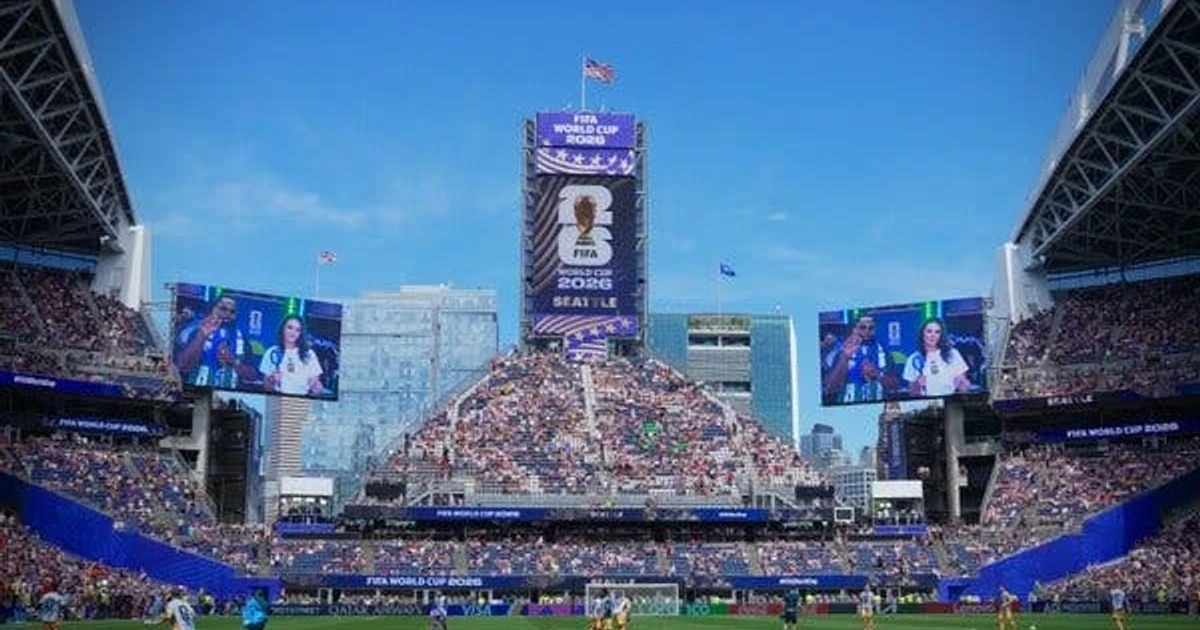
The World Cup is sending first-time visitors beyond the stadium gates and into the everyday America that locals often overlook. In city after city, the surprises are smaller than the scoreboards but more revealing: the long shuttle rides, the sprawling distances, the regional food stops, the public parks and the rituals around paying for a meal. What many fans think will be a sports trip is becoming an introduction to the country’s habits, geography and contradictions.
A tournament that reaches far beyond the final whistle
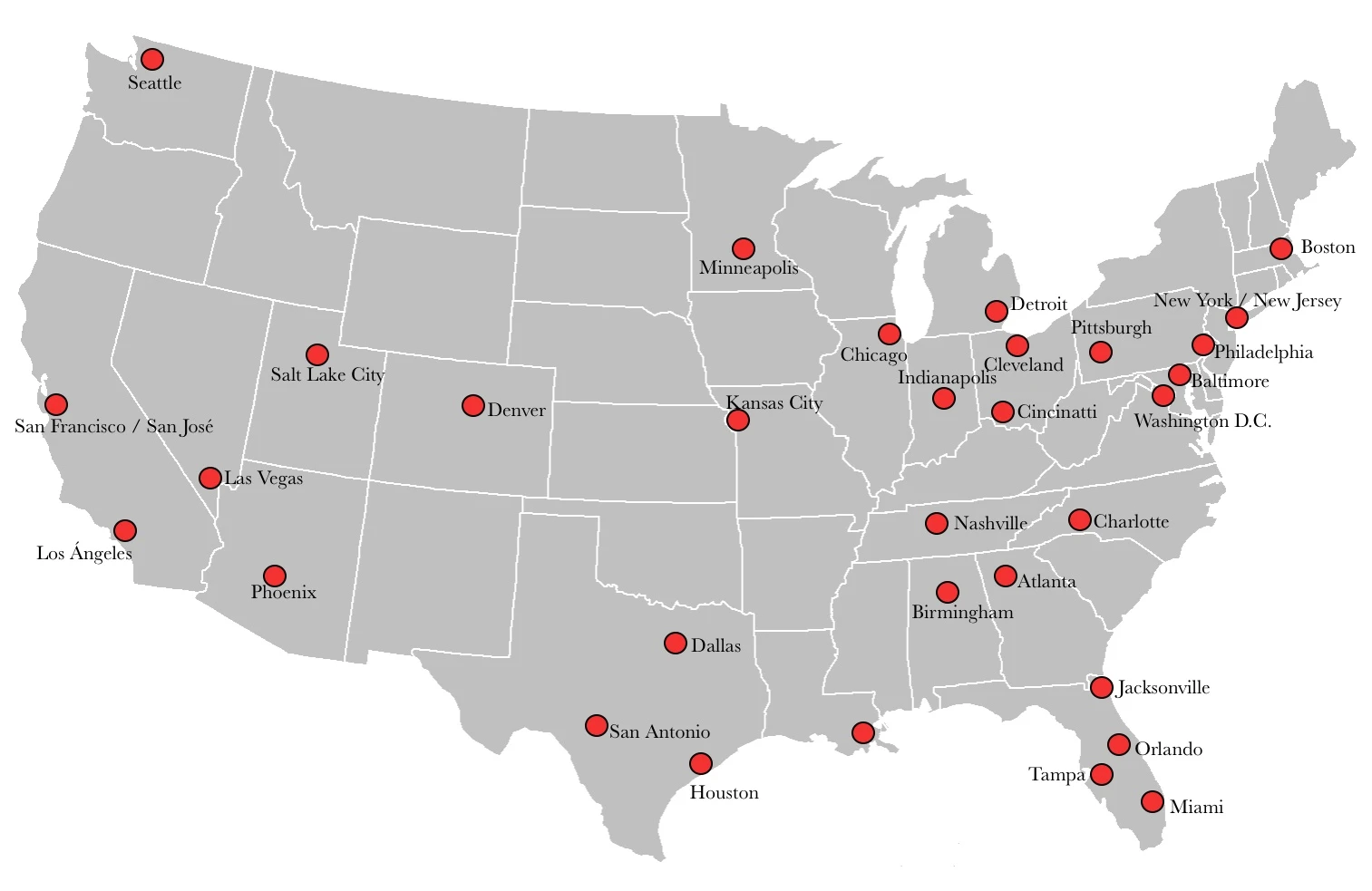
The 2026 FIFA World Cup began on June 11, 2026 and is scheduled to end on July 19, 2026, with 104 matches spread across 16 host cities in three countries. Eleven host cities are in the United States, three are in Mexico and two are in Canada, making this the largest, most geographically wide-ranging World Cup in the event’s history. FIFA describes it as the biggest and most inclusive World Cup ever, and the numbers back up that scale.
For the United States, the event is more than a sports calendar item. Tourism Economics estimates the tournament will bring about 1.2 million international visitors to the U.S., while the U.S. Travel Association projects inbound international visits will rise to 70.6 million in 2026, a 3.4% increase supported in part by major events including the World Cup. That means every host city is not just staging matches, it is managing a temporary surge of people who will spend money, move around town and learn the country by navigating it.
The new fan itinerary includes America itself
That is where the cultural story starts to matter. For many international visitors, the stadium is only the first stop. The real discovery happens on the way to a park, a monument or a restaurant that feels distinctly American, whether that means a Southern breakfast chain like Waffle House or a roadside stop that would never appear in a standard tourist brochure.
American host cities are leaning into that reality. Instead of treating fans as people who simply need transit to the match, local planners are building fan zones, watch parties and park-based events that turn neighborhoods into extensions of the tournament. Some officials describe these gatherings as a “second stadium” experience, a phrase that captures the way civic life, entertainment and tourism are being fused into one large public venue.
Miami is preparing for crowds that rival a festival city
In Miami, officials have previewed a World Cup fan festival expected to draw up to 30,000 visitors per day. That scale matters because it shows how quickly a host city can become a destination even for people without tickets. A daily crowd that large will reshape the rhythm of surrounding streets, restaurants and transit, and it gives visitors a place to gather that is as much about atmosphere as it is about the match schedule.
Miami-Dade County and Broward County have both been part of the broader planning conversation, with local leaders treating the tournament as a test of how South Florida handles global visitation. For tourists, the fan festival is likely to be one of the first places where the American style of big-event hosting becomes visible: open-air crowd management, branded public spaces and the mix of local food, music and sports that turns a civic venue into a social one.
Los Angeles is turning parks into viewing grounds
Los Angeles is taking a different route, using public space itself as the attraction. Los Angeles Recreation and Parks is planning fan events across 18 park sites with 100 free screenings, creating a distributed network of gathering points rather than one giant central festival. For visitors, that means the city is not just a backdrop to the tournament but part of the experience, with screenings that unfold in neighborhoods rather than only near the stadium corridor.
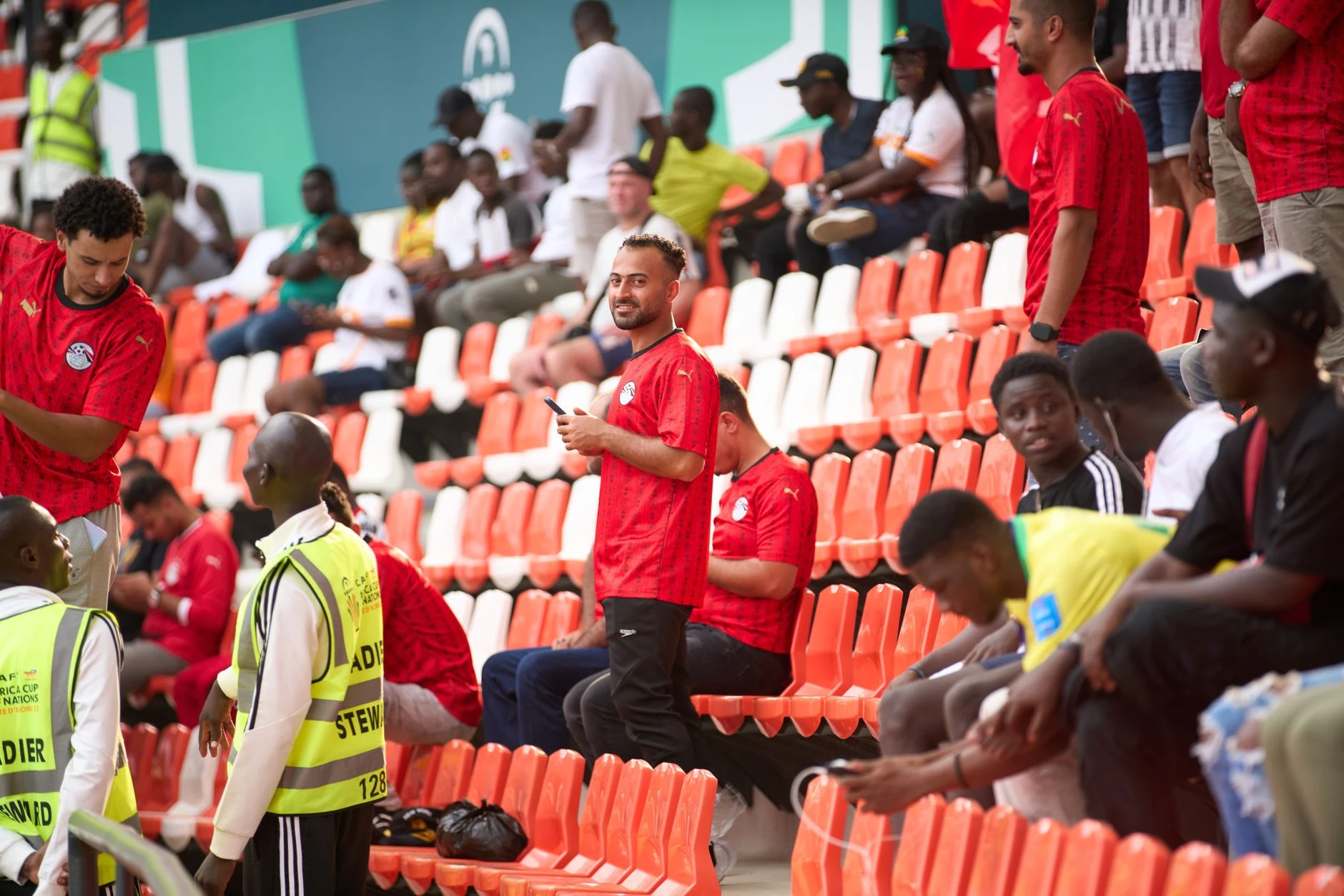
The park strategy also reflects something visitors notice quickly about the United States: distance shapes everything. The city’s sheer size, and the need to move between sites that are far apart, changes how a day is experienced. A fan who expects a compact urban walk may instead encounter a full logistics puzzle, from ride-share pricing to traffic patterns to the time it takes to cross town for a screening.
Fort Worth’s shuttle route shows the Americana effect
Texas offers one of the clearest examples of how World Cup tourism is spilling beyond match venues into signature American stops. In Fort Worth, a shuttle route is taking visitors from downtown to destinations including Buc-ee’s, Six Flags and the Fort Worth Zoo. That mix is telling: it combines a convenience-store cult favorite, a theme park and a zoo into a single fan-friendly itinerary, all of it far from the field.
The route does more than move people around. It packages regional identity for outsiders, giving first-time visitors a condensed version of Texas that is commercial, family-oriented and unmistakably local. For many fans, that may be the moment the country stops feeling abstract and starts feeling specific, with its own brand of scale, food culture and roadside spectacle.
What visitors notice first is often not what Americans expect
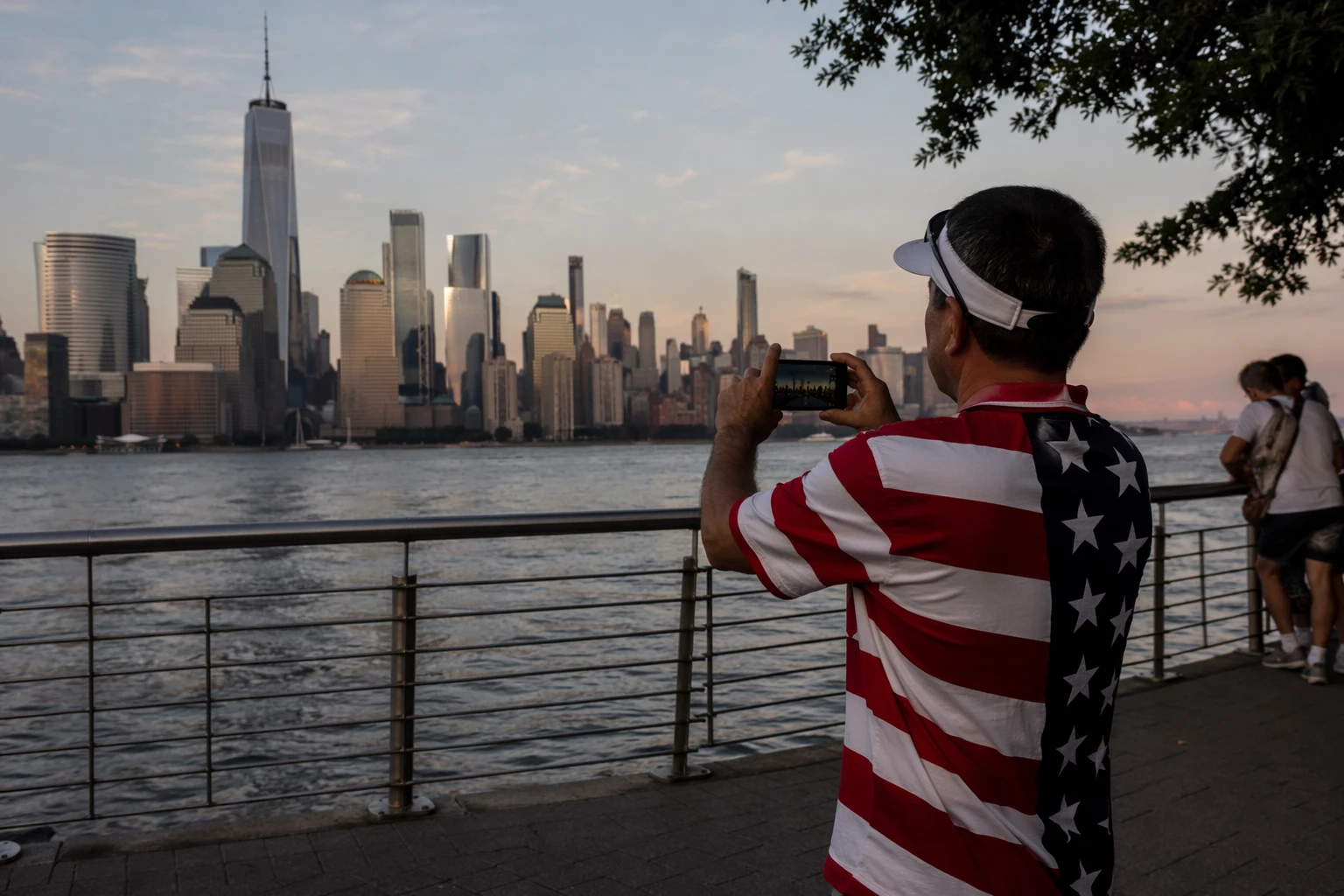
This is where the gap between American self-image and tourist experience becomes visible. Americans often describe the country in terms of freedom, ambition and variety. Visitors, by contrast, tend to notice the practical details first: the price of tipping, the distances between places, the dependence on cars and shuttles, the prominence of chain restaurants and the odd pleasure of public gatherings in parks and plazas.
World Cup host cities are amplifying those details because they are staging the country in concentrated form. A stadium trip can be paired with a park screening, a food stop or a regional attraction, making the visit feel less like a single event and more like a crash course in American life. The result is an unusual kind of nation branding, one that happens not through slogans but through logistics.
The economic stakes are bigger than souvenir sales
The tournament’s tourist flow matters because it reaches into local economies. More visitors mean stronger demand for hotels, dining, transit and retail, and the expected 1.2 million international visitors add up to a meaningful windfall for host-city businesses. That is why local planners are treating the World Cup as a destination story, not just a sports story.
The broader 70.6 million inbound-visit forecast for 2026 shows how major events can lift travel demand across the year, not only during match weeks. For cities competing for attention, the World Cup offers a rare chance to turn temporary foot traffic into a longer-term reputational gain. If fans leave with memories of parks, shuttles and regional food as much as goals and penalties, the tournament will have done more than fill stadiums. It will have turned the country itself into part of the spectacle.
Sources
- [1]cbsnews.com
- [2]fifa.com
- [3]ustravel.org
- [4]metlifestadium.com