Sports
World Cup fans face soaring costs for 2026 trip across three countries

The biggest bill at World Cup 2026 may not be the ticket at all. With matches spread across Canada, Mexico and the United States, fans are facing a trip economy built on flights, hotels, ground transport and, for many, packaged hospitality that pushes the experience into luxury territory.
A tournament built for bigger crowds and bigger bills
The 2026 FIFA World Cup runs from 11 June to 19 July 2026 and will be the first edition staged across three host countries. It is also the first World Cup with 48 teams and 104 matches, a major expansion from the old 32-team, 64-match format. FIFA says the opening match will be in Mexico City and the final in New York New Jersey, underscoring how far apart the key moments of the tournament will be.
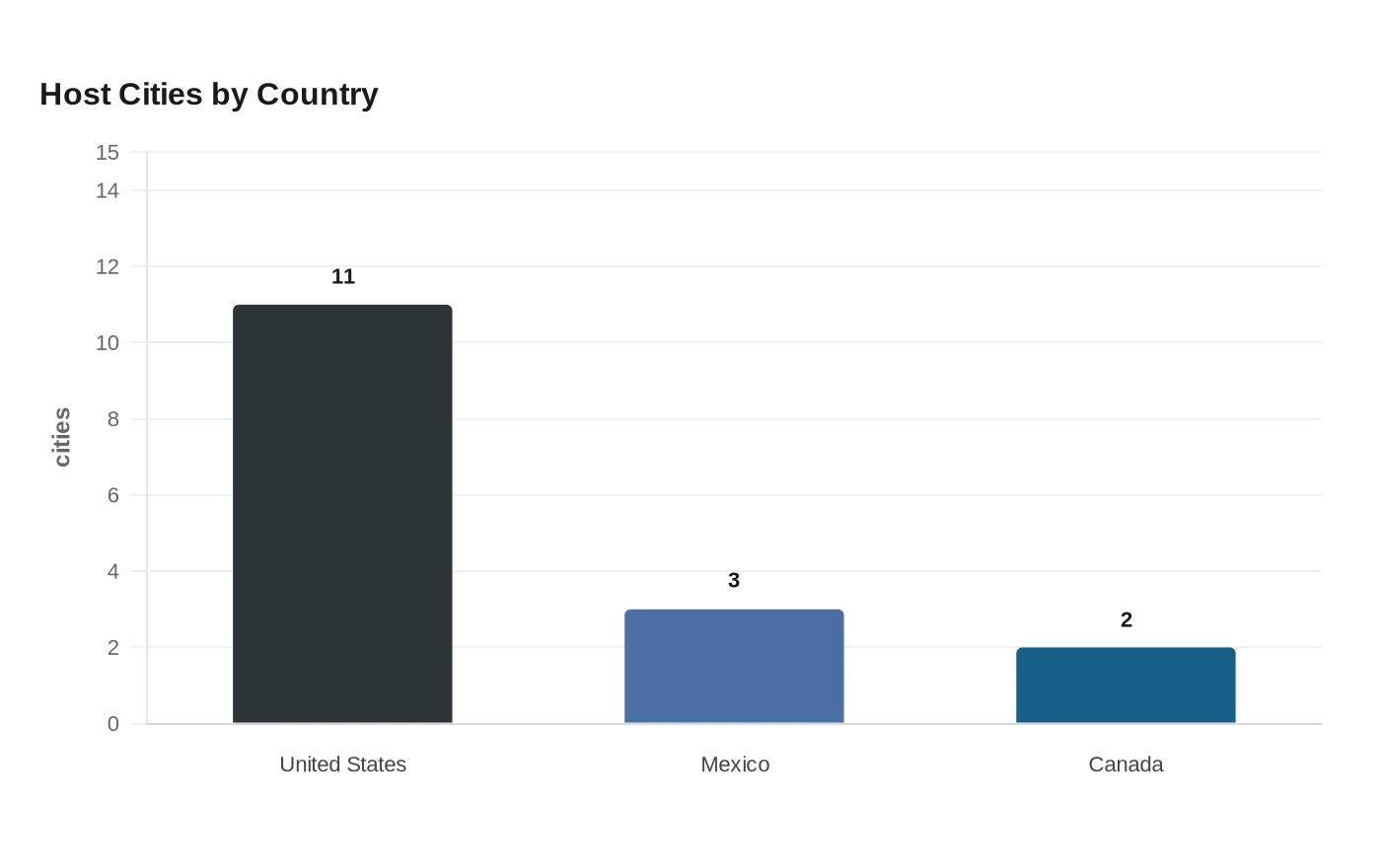
That spread matters for more than bragging rights. With 16 host cities in total, 11 in the United States, 3 in Mexico and 2 in Canada, supporters are no longer planning a single-city trip. They are navigating a continent-wide itinerary, where moving between venues can mean long-haul flights, multiple hotel bookings and local transport in unfamiliar markets. FIFA has framed the tournament as the biggest and most inclusive World Cup ever, but the economics of attendance are clearly becoming more exclusive.
The real cost is the whole trip, not just the seat
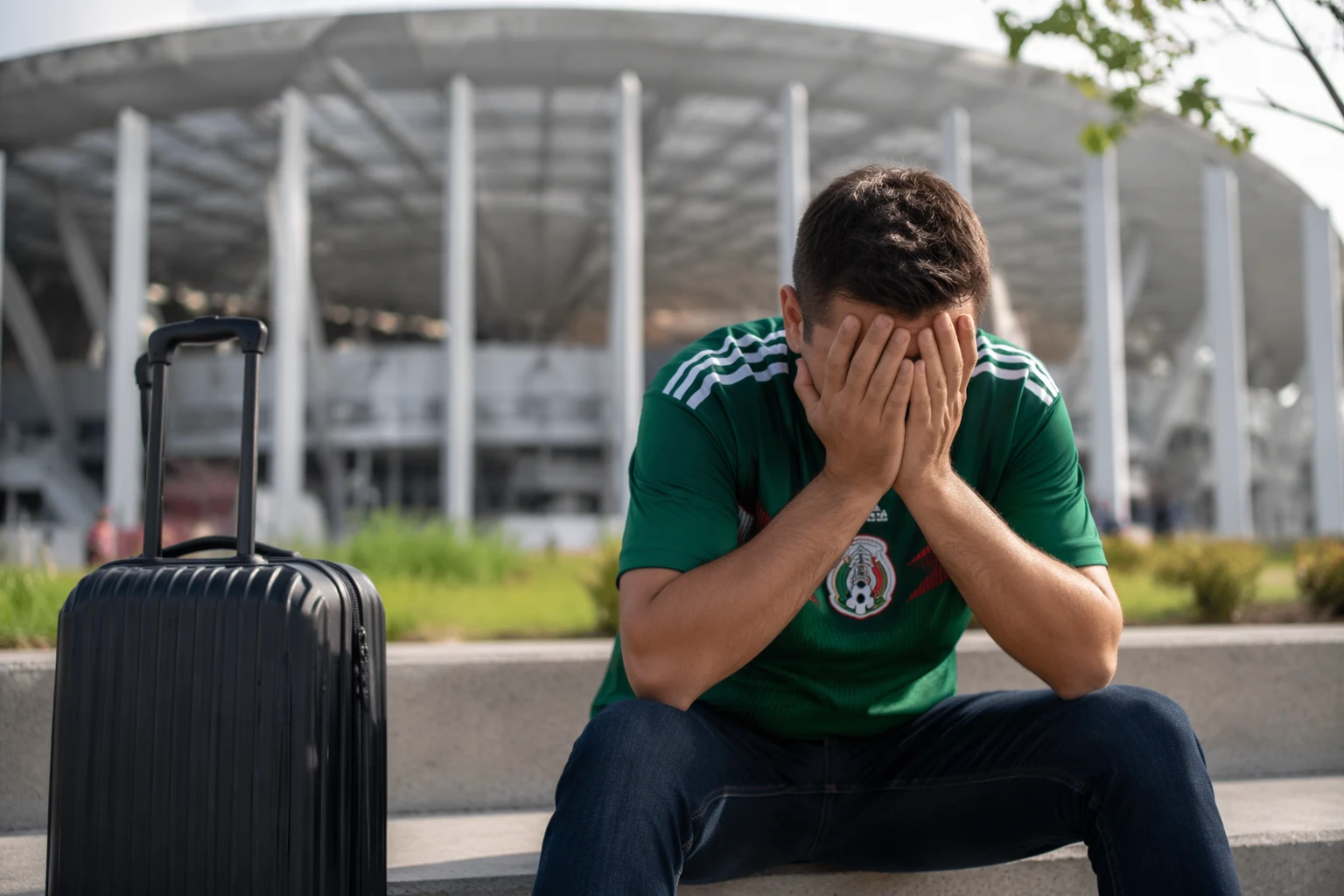
For many fans, the ticket is only the starting point. FIFA’s own official travel packages combine return flights, accommodation, ground transportation and official match tickets, a sign of how complicated and expensive the journey can be when the tournament spans three countries. The official accommodation bureau is also preparing for elevated demand for hotel room nights across all 16 host cities, which is another warning sign for anyone trying to book late or hop between matches.
That matters because the experience of attending a World Cup is no longer tied to a single destination. A supporter following a national team through group play could face multiple city changes, then repeat the process if the team advances. In that sense, World Cup 2026 is not just selling access to matches, it is selling mobility, and mobility is where the budget can climb fastest.
Ticket pricing is becoming more market-driven
FIFA has introduced dynamic, demand-based pricing for World Cup tickets for the first time. That shift is likely to reshape how fans think about affordability, because prices are no longer fixed in the way many traditional sports events are. As demand rises, so can the cost of entry, turning early purchase timing into a financial advantage.
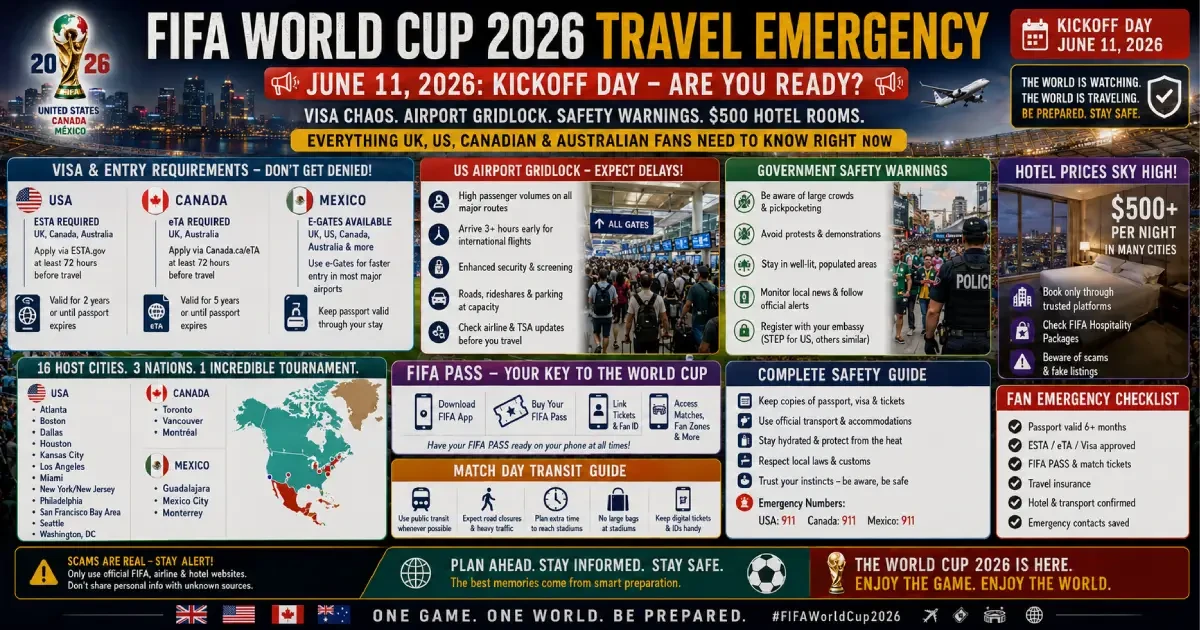
FIFA says nearly two million tickets were released and purchased in the Visa Presale Draw and Early Ticket Draw, which suggests demand is already intense. The scale of early sales also shows that many supporters are trying to lock in seats before prices and availability tighten further. In a tournament of this size, ticket access may be widest at the beginning and most expensive at the moments that matter most.
Hospitality is the clearest sign of a luxury shift
If there is one part of World Cup 2026 that most clearly points to premiumization, it is official hospitality. FIFA and its hospitality partner On Location say packages are available that include premium seating, food and beverage, and private suites. That is a very different proposition from the simple idea of buying a match ticket and heading to the stadium.
The presence of ticket-inclusive hospitality experiences changes the market in two ways. First, it gives wealthy fans a more seamless way to attend matches across a fragmented tournament. Second, it creates a visible tiering effect, where the World Cup is still open to broad audiences in theory, but the most comfortable, least stressful route to attendance is reserved for those able to pay for convenience. In practical terms, the event is becoming easier to consume as a premium product than as a budget trip.
Who can still afford to go

The answer depends on how far a fan is willing to travel and how many matches they want to see. Supporters based in the United States have the most natural advantage, since FIFA says the USA will serve as the base for 39 participating nations. Mexico will host seven teams and Canada two, which means some national team bases will be closer to certain supporters than others, but the continental layout still raises the cost of following a side across multiple rounds.
Fans with flexibility, early booking power and the ability to absorb price swings will have the clearest path to attendance. That includes travelers who can commit to a single city, buyers who secured tickets early, and wealthier supporters opting for hospitality or packaged travel. For everyone else, the trip starts to look like a major vacation rather than a sporting weekend, especially once hotel rates, airport transfers and food costs are folded in.
Why the expansion cuts both ways
The 48-team format is supposed to make the World Cup more inclusive by bringing more countries into the field and delivering more matches to more markets. FIFA’s confirmed total of 1,248 players on 2 June, after final squad lists were submitted, is a reminder of how much larger the tournament has become on the field as well as off it. More teams mean more fans with a reason to travel, which is good for global reach and bad for hotel availability.
But expansion also multiplies the financial pressure points. More matches mean more chances for demand spikes. More host cities mean more intercity travel. More participating nations mean more fans competing for the same rooms, the same flights and the same premium experiences. What FIFA calls inclusivity can, in the market, translate into scarcity.
The new World Cup travel math
For supporters, the 2026 World Cup is becoming a test of budget discipline as much as fandom. A trip can now include long-distance flights, hotel rooms in multiple markets, local transport between venues and meals that are bundled into hospitality rather than casually purchased on arrival. The tournament is still selling the dream of global football, but the logistics suggest that dream now comes with a steep price tag.
That is the deeper story of World Cup 2026. It is bigger, broader and more ambitious than any edition before it, yet the cost of following it may push the experience toward a luxury tier for all but the most prepared, the most local and the most affluent.