Sports
World Cup fever gives West Bank residents a brief escape
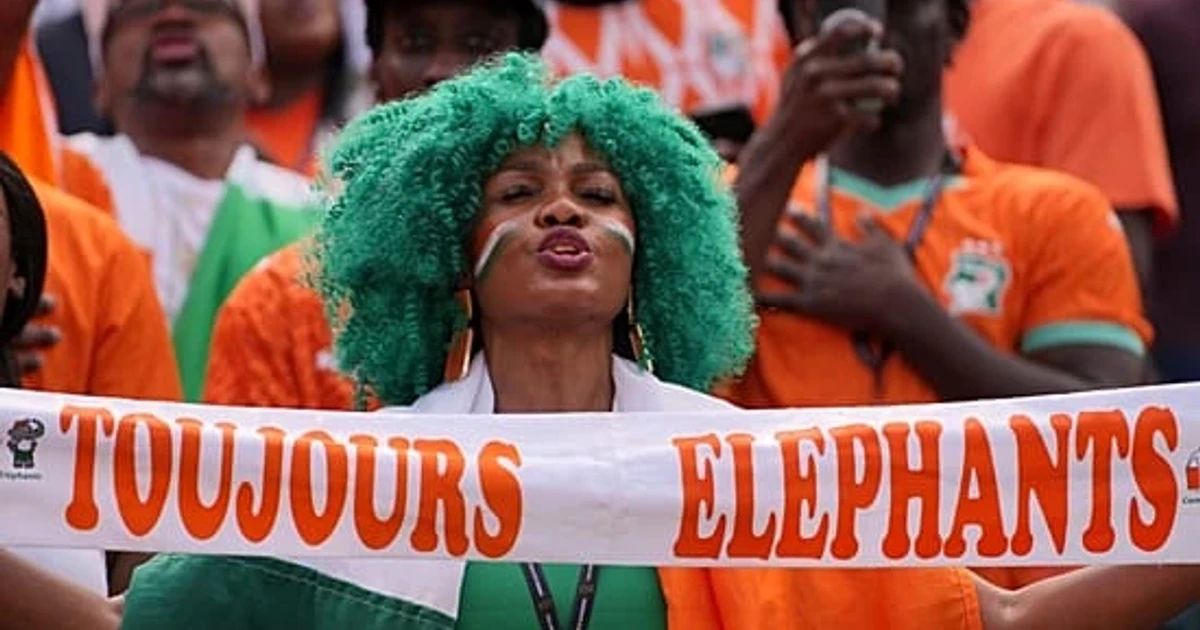
In Ramallah, World Cup matches became a brief refuge from Israeli military raids and the daily uncertainty of life in the occupied West Bank. As fans gathered around screens in the city, the tournament offered something narrower than relief and more immediate than politics: a few hours when the conversation could shift from checkpoints, arrests and fear to lineups, scores and missed chances.
That escape carried extra weight because Palestine came so close to reaching the 2026 FIFA World Cup. The qualifying campaign ended on June 10, 2025, when Palestine drew 1-1 with Oman and conceded a late stoppage-time equaliser in the 97th minute. The near miss lingered as part disappointment, part pride, keeping the national team close to the center of public feeling even as the global tournament moved on without it.

The mood in Ramallah unfolded against a harsher backdrop in June 2026. Reuters reported that Israeli soldiers shot dead two Palestinian teenagers in the occupied West Bank on June 22, and other reports described continuing raids and arrests across the territory, including around Ramallah. A June 26 account said the Palestine Information Center Mu'ta documented 1,298 Israeli military and settler violations across the occupied West Bank between June 19 and June 25. Against that backdrop, the simple act of watching football became an interruption from a much more punishing routine.
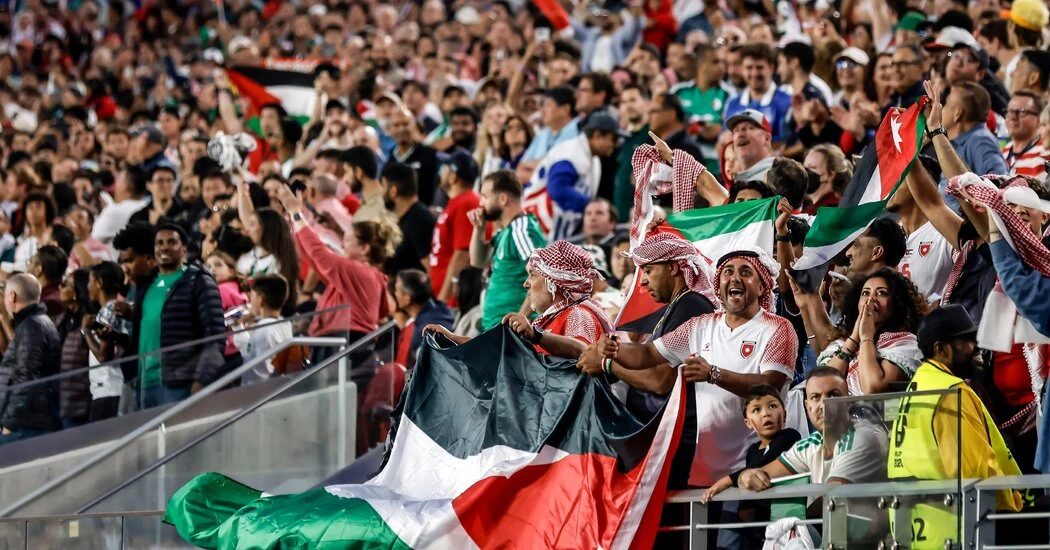
Football politics also reached beyond the pitch. Jibril Rajoub, the head of the Palestinian Football Association, said in June 2026 that he had not been granted a U.S. visa to attend the World Cup, after waiting in Mexico City for permission to enter the United States. The larger tournament has also carried Palestinian symbolism into stadiums and public viewing spaces far from the West Bank, where flags and emblems have given fans a way to signal solidarity even when Palestine has no team on the field.
The pattern was visible in Gaza too, where residents gathered on June 11 in tents, cafes and makeshift community spaces to watch the World Cup opener. Across the Palestinian territories, the tournament has served the same purpose: not to erase hardship, but to create short windows of shared emotion in places where normal life is repeatedly broken by violence and restriction.
Sources
- [1]africanews.com
- [2]aljazeera.com
- [3]reuters.com
- [4]usnews.com
- [5]english.palinfo.com