Sports
World Cup halftime show sparks backlash over Americanization of soccer
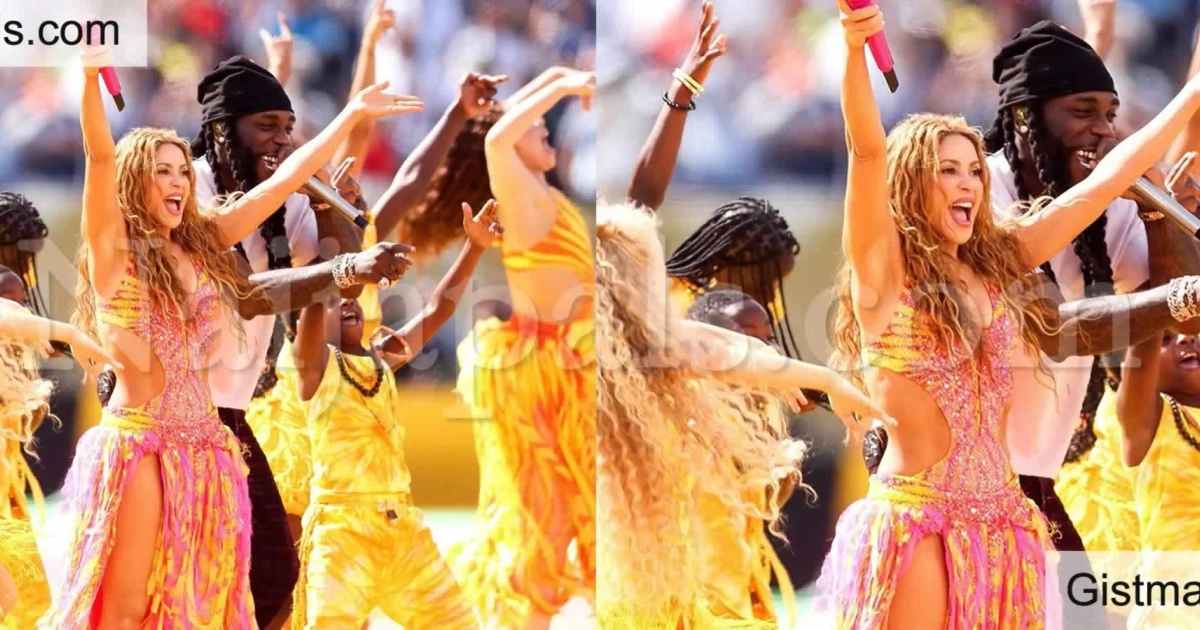
The 2026 FIFA World Cup final featured the first halftime show in the event’s history, and the move immediately drew backlash from fans who saw a Super Bowl-style spectacle entering soccer’s biggest stage. The performance landed on Sunday, July 19, 2026, and broke a 96-year tradition that had kept the final uninterrupted.
FIFA branded the spectacle the FIFA World Cup 2026 Final Halftime Show. BBC News listed Justin Bieber, Shakira and Madonna among the headline performers, with BTS and Burna Boy also set to appear, a lineup that signaled FIFA was reaching well beyond the usual football audience. People quoted Shakira calling the plan “pretty historic,” a rare note of celebration in a debate otherwise driven by resistance.
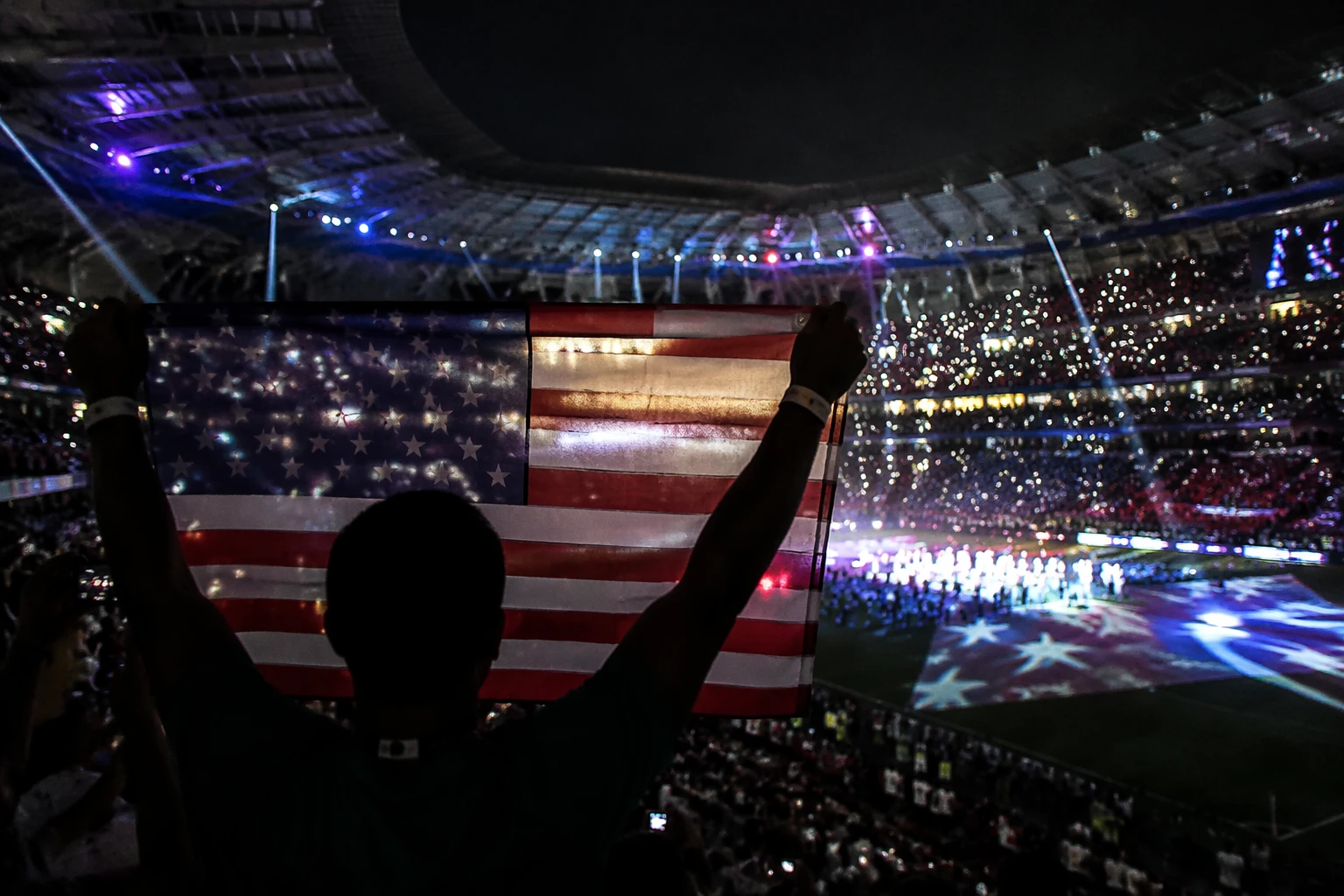
The show itself was built to be anything but restrained. The Independent said the event also featured surprise appearances from The Muppets, Jason Sudeikis as Ted Lasso, and Brazilian icons Ronaldinho and Ronaldo. CBC News described the performance as colorful and whirlwind-like, with Burna Boy and Ted Lasso folded into the mix, while Reuters said Madonna, BTS and Bieber brought star power to the halftime show.
The criticism focused less on any single performer than on what the format represented. CBC News said some soccer fanatics saw the move as a “Yankeefication” of the Beautiful Game, capturing a broader fear that FIFA was importing an American entertainment model into a sport built on different rhythms and rituals. NBC News said the final increasingly looked like the Super Bowl because of hydration breaks, championship rings and the halftime concert, a comparison that underlined how much the event had started to borrow from U.S. sports spectacle.
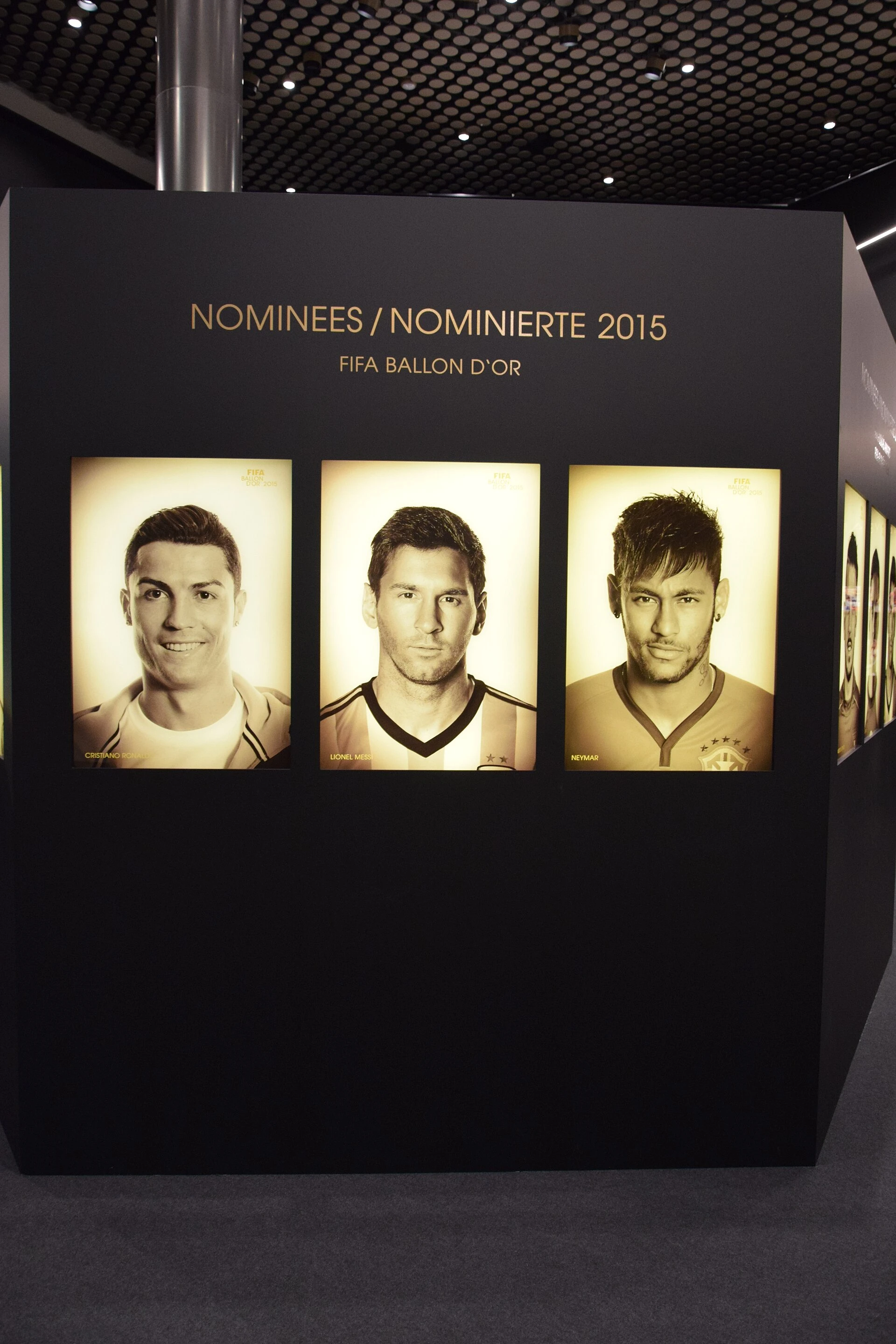
That shift matters because the World Cup final has long been treated as football’s most protected stage, a match defined by continuity rather than production value. By adding a halftime show and curating it with music-world names, including one report that said Coldplay’s Chris Martin helped shape the event, FIFA widened the tournament’s commercial reach while also taking more control over how the final is presented to a global audience. For fans who view the match as a cultural inheritance rather than a platform, the backlash was a warning that the identity of the game is becoming part of the product.
Sources
- [1]news.google.com
- [2]the-independent.com
- [3]bbc.com
- [4]cbc.ca
- [5]nbcnews.com
- [6]reuters.com
- [7]people.com
- [8]fifa.com
- [9]nytimes.com