US News
World Cup host cities brace for intensified security and surveillance
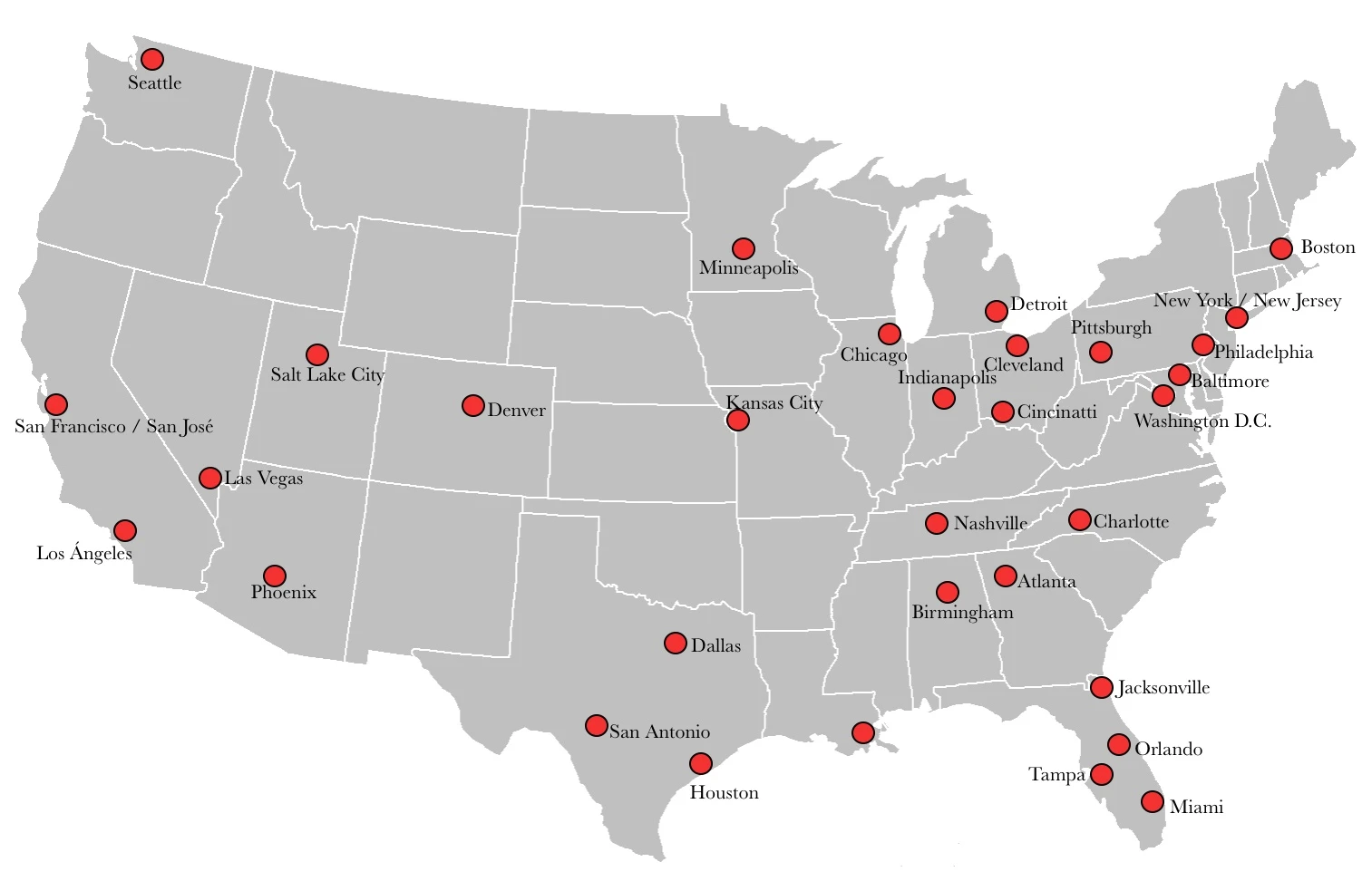
U.S. Customs and Border Protection has created a World Cup Task Force to coordinate security operations across all FIFA World Cup 2026 host cities, while the State Department’s Diplomatic Security Service is working with Canadian and Mexican authorities through a 24-hour International Police Cooperation Center. The tournament runs June 11-July 19, 2026, and FIFA’s largest event to date includes 48 national teams, 11 U.S. host cities, 78 matches in the United States and the final at the New York/New Jersey stadium. FIFA’s wider competition spans 16 host cities across the United States, Mexico and Canada and includes 104 matches.
At a June 29 briefing in Leesburg, Virginia, White House Task Force Executive Director Andrew Giuliani and FBI Special Agent in Charge Doug Olson called the International Police Cooperation Center a secure, around-the-clock multinational coordination hub linking representatives from all 16 host cities.
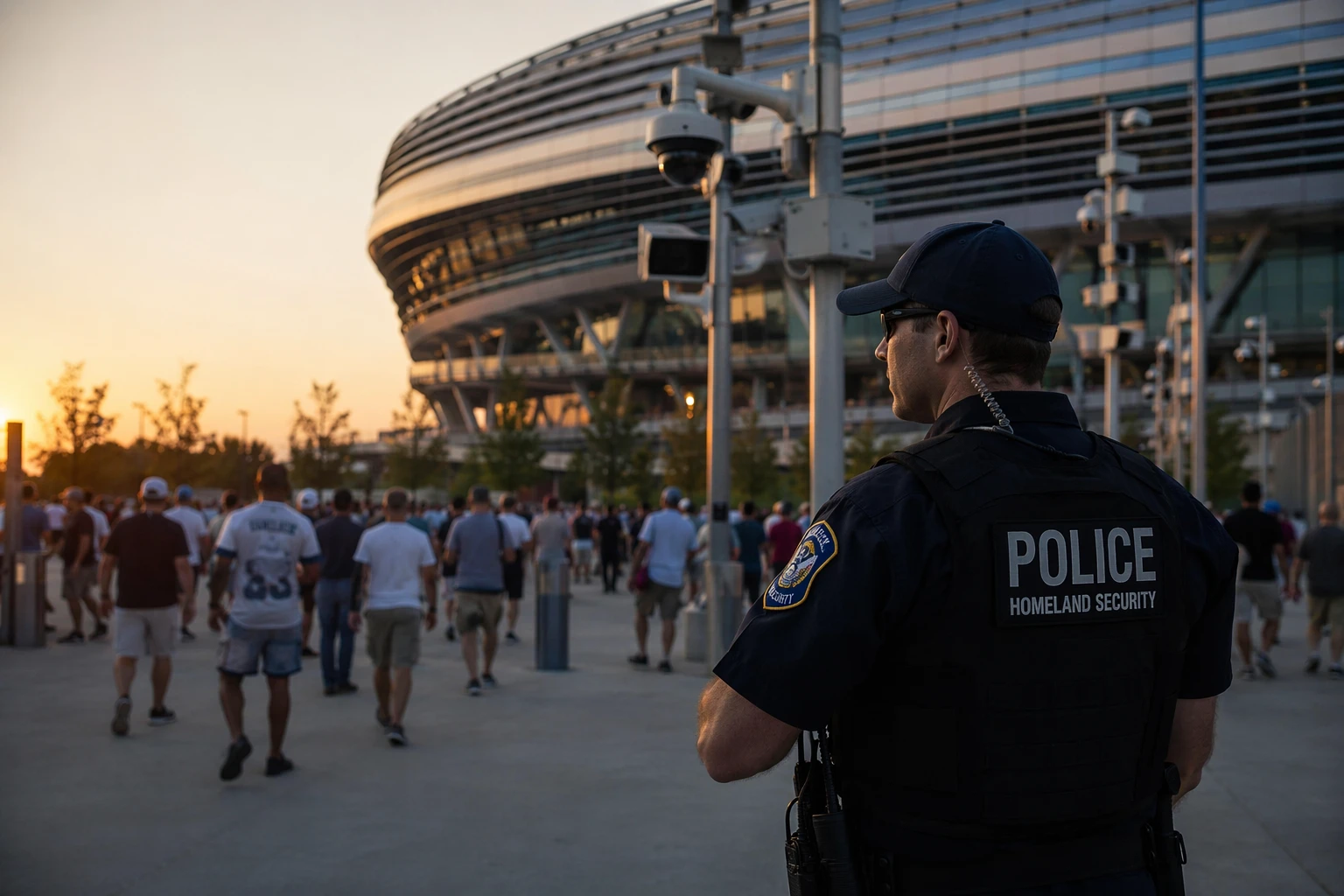
More than 120 civil society groups issued a travel advisory on April 23 warning that fans, players, journalists and other visitors could face serious rights violations amid the Trump administration’s immigration crackdown, including invasive social media screening, searches of electronic devices, suppression of speech and protest, and increased surveillance. The advisory also warned that travelers in host cities could face arbitrary denial of entry, arrest, detention or deportation.
FIFA's human rights requirements were developed with stakeholders and technical support from the Office of the United Nations High Commissioner for Human Rights, and each of the 16 host cities was required to develop its own human rights action plan. The ACLU says those commitments have not come with meaningful guarantees from FIFA, host cities or the U.S. government. It has warned that cities such as Los Angeles and Chicago are already facing extreme surveillance, National Guard deployment and immigration enforcement activity. The group’s surveillance materials say face recognition can track people at protests, political rallies and other public spaces.
Sources
- [1]theverge.com
- [2]state.gov
- [3]cbp.gov
- [4]aclu.org
- [5]inside.fifa.com