US News
World Cup host cities confront homelessness with housing-first plans
As fans prepared to pour into North American stadium districts, host cities were weighing a familiar choice: build lasting housing responses or simply clear streets before the cameras arrived. The World Cup turned homelessness into a public-policy test, with cities balancing public safety, dignity and the image they wanted to present to visitors.
Charlotte Kramon helped organize surveys across all 16 host cities to see how they were handling people living downtown and near stadiums. The biggest pattern was restraint: New York, Boston, Philadelphia, Miami, Houston, Toronto and Vancouver were largely relying on existing homelessness programs, usually without new World Cup-specific money.
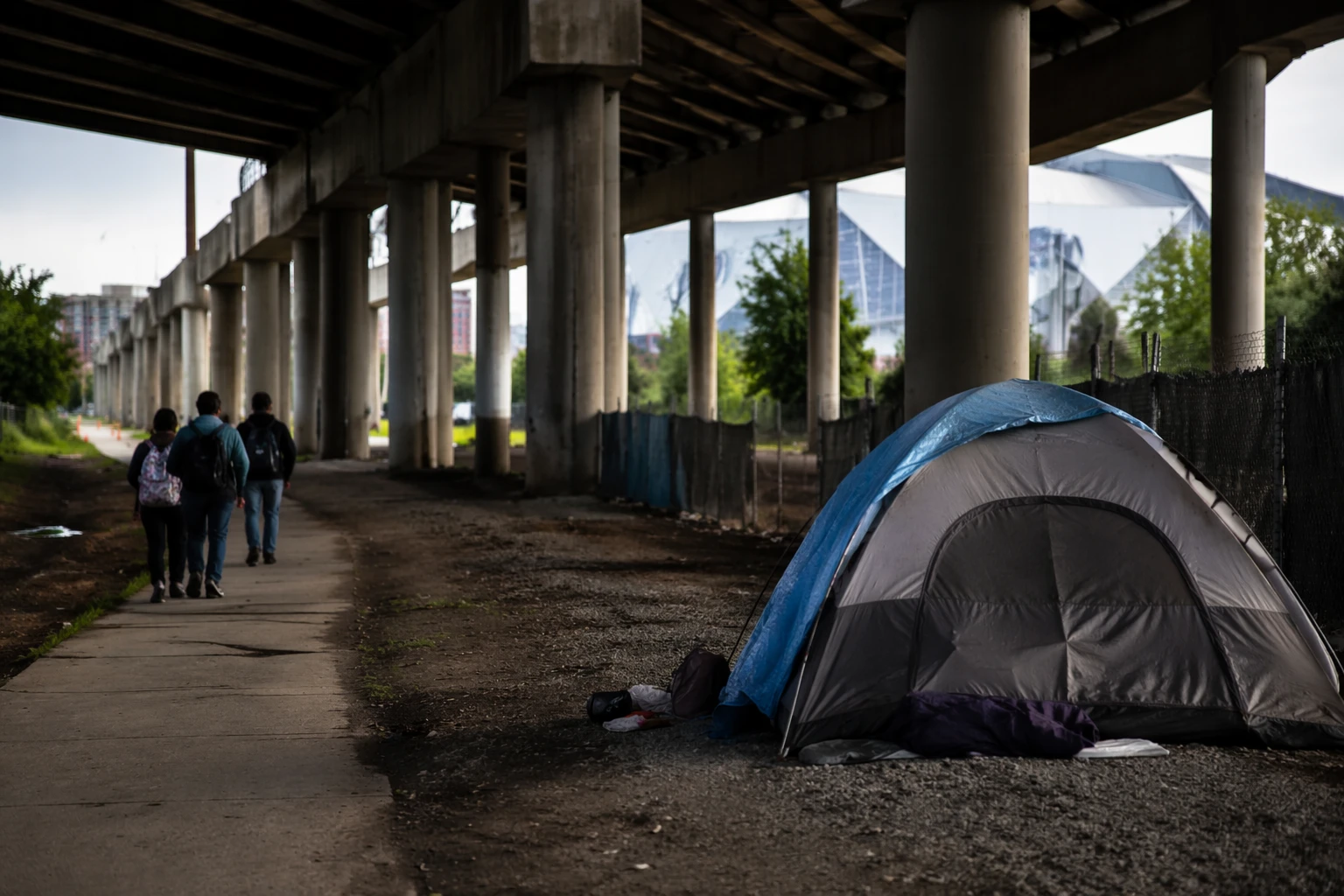
Atlanta stood out for trying to pair the tournament with a housing push. Its Downtown Rising program said it had housed nearly 500 people, a sign that city leaders were reaching beyond short-term removal tactics. Even so, people were still seen waiting outside shelters downtown, a reminder that more housing placements did not erase the strain on the system or the visibility of homelessness around the city center.
Dallas showed the most aggressive numbers. The city said it spent $10 million and reduced downtown street sleeping by 87 percent, while later reporting said the campaign since 2024 had placed about 2,000 people into permanent housing. Housing Forward launched a program to eliminate street sleeping in downtown Dallas and received $20 million for its next phase, putting a hard-dollar figure on how expensive durable change can be when a city tries to do more than move people out of sight.

Seattle took a different approach, opening a new 75-unit tiny-home village in Interbay just before the tournament as part of a broader push to expand shelter capacity. The goal was not only to tidy the area around the stadium district, but to create more immediate space for adults experiencing chronic homelessness. Still, activists in some cities warned that officials were continuing to clear encampments and hide the problem before tourists arrived.
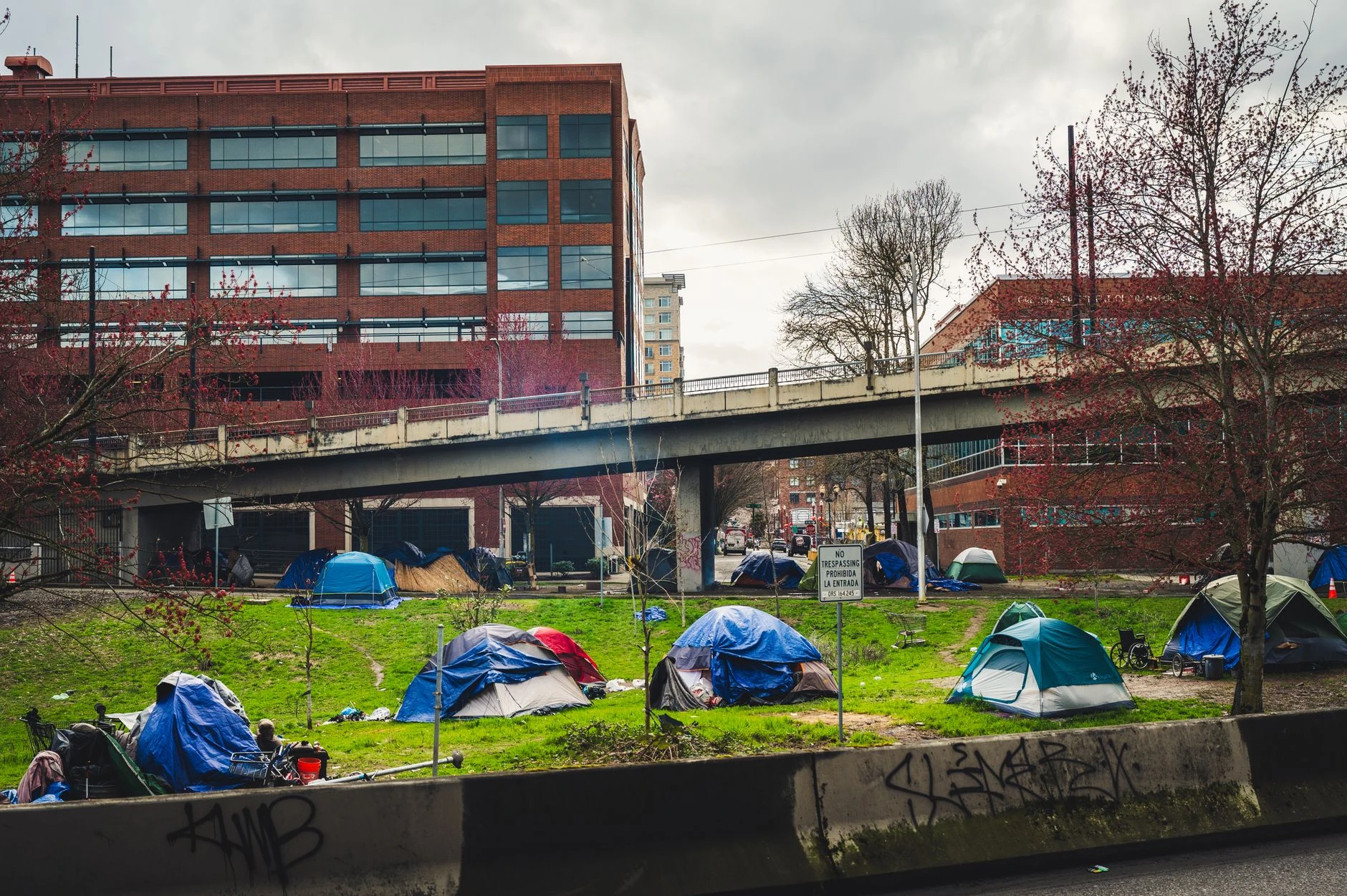
Taken together, the cities showed two competing instincts. Some leaned on sweeps and temporary containment; others used the World Cup window to expand shelter and housing access. What remains after the final match will say more about urban priorities than any pregame cleanup ever could.
Sources
- [1]ap.org
- [2]accessnorthga.com
- [3]baytobaynews.com
- [4]fox13seattle.com
- [5]keranews.org