Health
World Cup hosts will monitor wastewater and social media for outbreaks

As millions of fans moved across the United States, Canada and Mexico for the 2026 FIFA World Cup, epidemiologists prepared a public-health backstop: scan sewage, watch social chatter and look for disease before hospitals filled up. The monitoring effort was designed to catch outbreaks while they were still small, in a tournament that stretched 39 days, included 104 games and drew more than 6.5 million fans from more than 100 countries.
A public health team based in Washington, D.C., planned to test wastewater for signs of illness and compare those results with signals from social media. The idea was simple but unusually ambitious for a sports event of this scale: use an early-warning system that could detect trouble among players, staff and spectators before conventional clinic reports or hospital admissions showed a wider pattern.
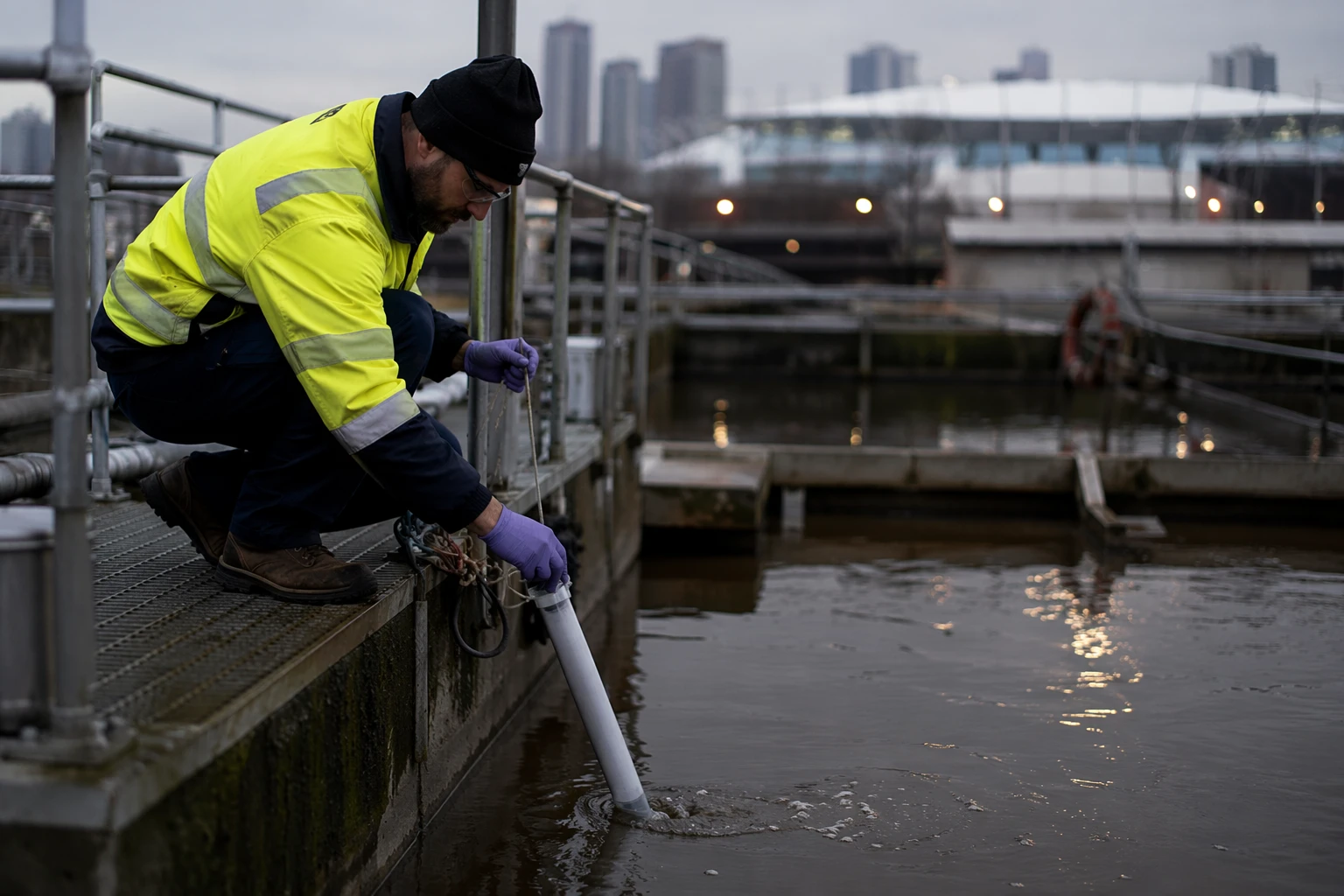
Officials were especially focused on familiar threats that could move quickly through a dense international crowd, including measles, Ebola and mosquito-borne illnesses. With stadiums, airports and other transit hubs spread across three countries, every transfer point created another chance for viruses to travel with fans and workers. The wastewater approach offered something public health teams value in that setting: it was cheap, noninvasive and broad enough to sample entire communities without waiting for individual patients to seek care.

The monitoring plan also reflected a harder reality in public health, where budget and staffing cuts have left fewer people available to track outbreaks manually. Rather than rely only on hospitals once patients arrived in emergency rooms, host-city officials aimed to build a faster system that could connect signals from sewage and online behavior and show where a problem might be forming. For a mega-event that combined mass travel, packed venues and people arriving from more than 100 countries, the World Cup became more than a sports spectacle. It turned into a stress test for how well public health could keep pace with global mobility.
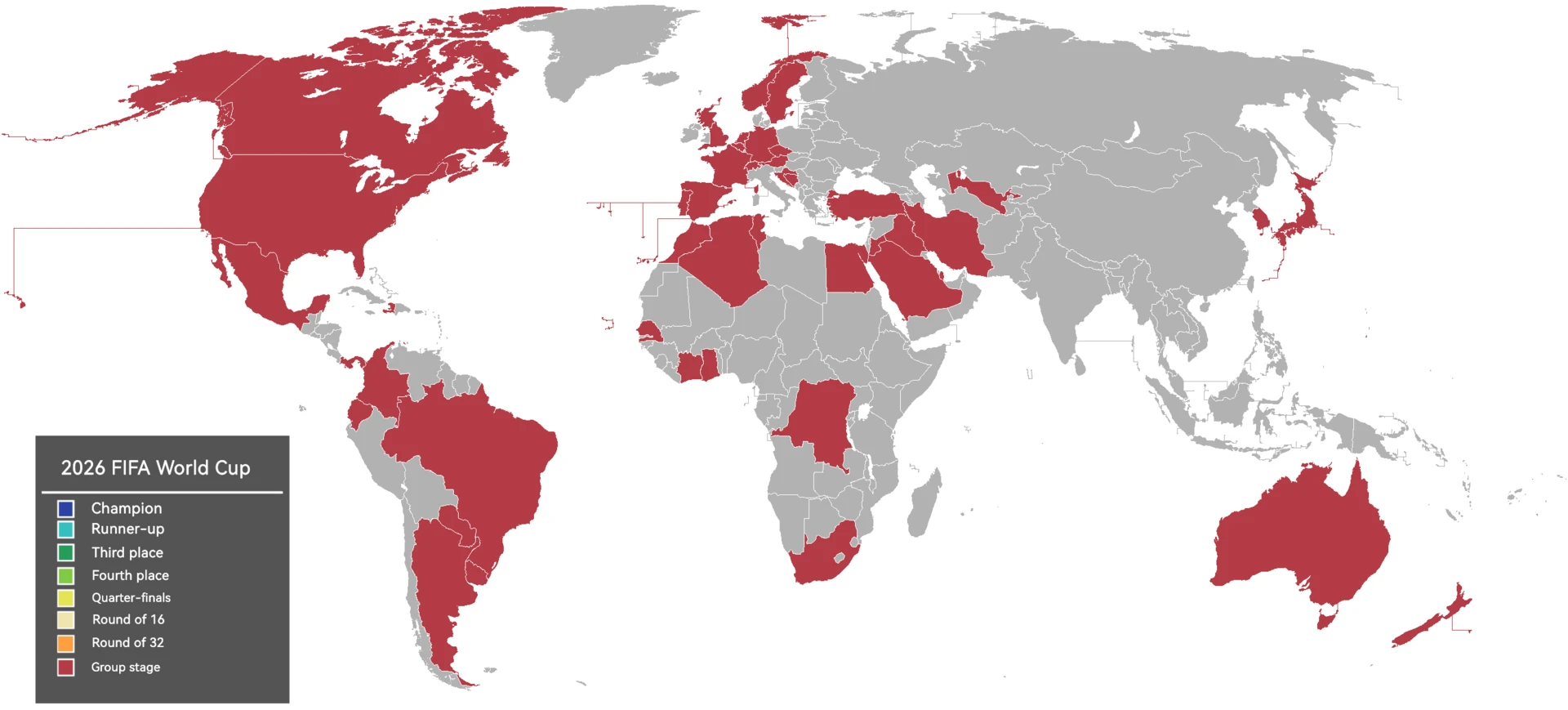
That shift matters beyond one tournament. As global events grow larger and health systems remain fragmented, disease surveillance is becoming part of the planning itself, alongside security and transportation. In this case, the first line of defense was not a clinic door but a sewer line and a social feed.
Sources
- [1]usnews.com