Sports
World Cup knockout bracket gives some teams tougher paths to final
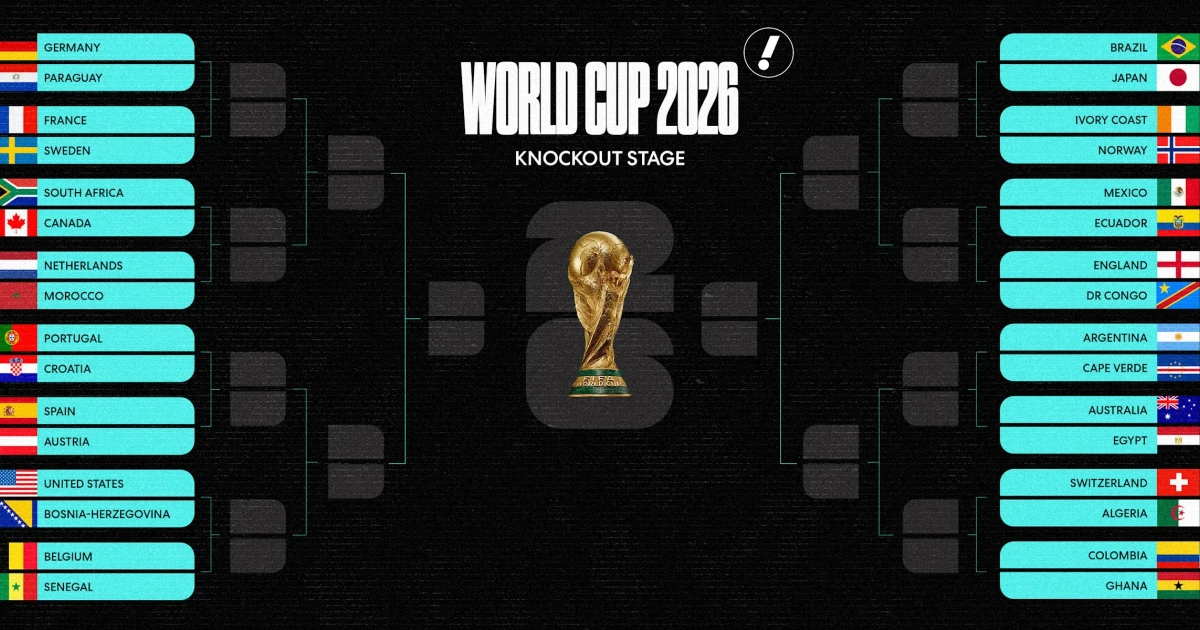
The knockout stage arrived with the bracket already doing some of the sorting. In FIFA’s first 48-team World Cup, the round of 32 is fixed in advance rather than reseeded, so a team’s finish in group play can decide whether the road to MetLife Stadium looks manageable or punishing. That structure has already created a sharp divide, with Morocco and the Netherlands placed on an early collision course and Argentina sitting on a far more forgiving side of the draw.
How the 48-team format changes the bracket
This tournament expands the knockout stage to 32 teams, the first time a World Cup has used a round of 32. The field comes from 12 groups, with the top two teams in each group joined by the eight best third-place finishers. Once those positions are set, the path is locked, which means there is no reseeding later to smooth out the route for the strongest teams.
That matters because every result in group play can affect where a team lands in the bracket. FIFA’s format awards three points for a win and one for a draw, and the group stage ended on June 28, 2026, leaving the knockout picture complete. The final is scheduled for July 19, 2026, at MetLife Stadium in East Rutherford, New Jersey, so every line in the bracket points toward the same destination, but not every line is equally steep.
Why the draw can be harder for some favorites
The central issue is fairness of path, not just strength of team. In a reseeded tournament, a top contender would usually avoid another heavyweight until later rounds, but the World Cup bracket is predetermined, more like a locked map than an adjusting ladder. That means finishing first in a group does not guarantee the easiest possible route, and finishing second can sometimes be better than first depending on how the bracket fell before the tournament began.
FIFA finalized the match schedule and knockout bracket on December 6, 2025, before any group-stage ball was kicked. That early lock-in exposes the tension at the heart of the competition: form still matters, but geometry can matter just as much. A strong team can do everything right in the group stage and still draw a brutal path if its side of the bracket is stacked with other contenders.
The clearest examples of uneven paths
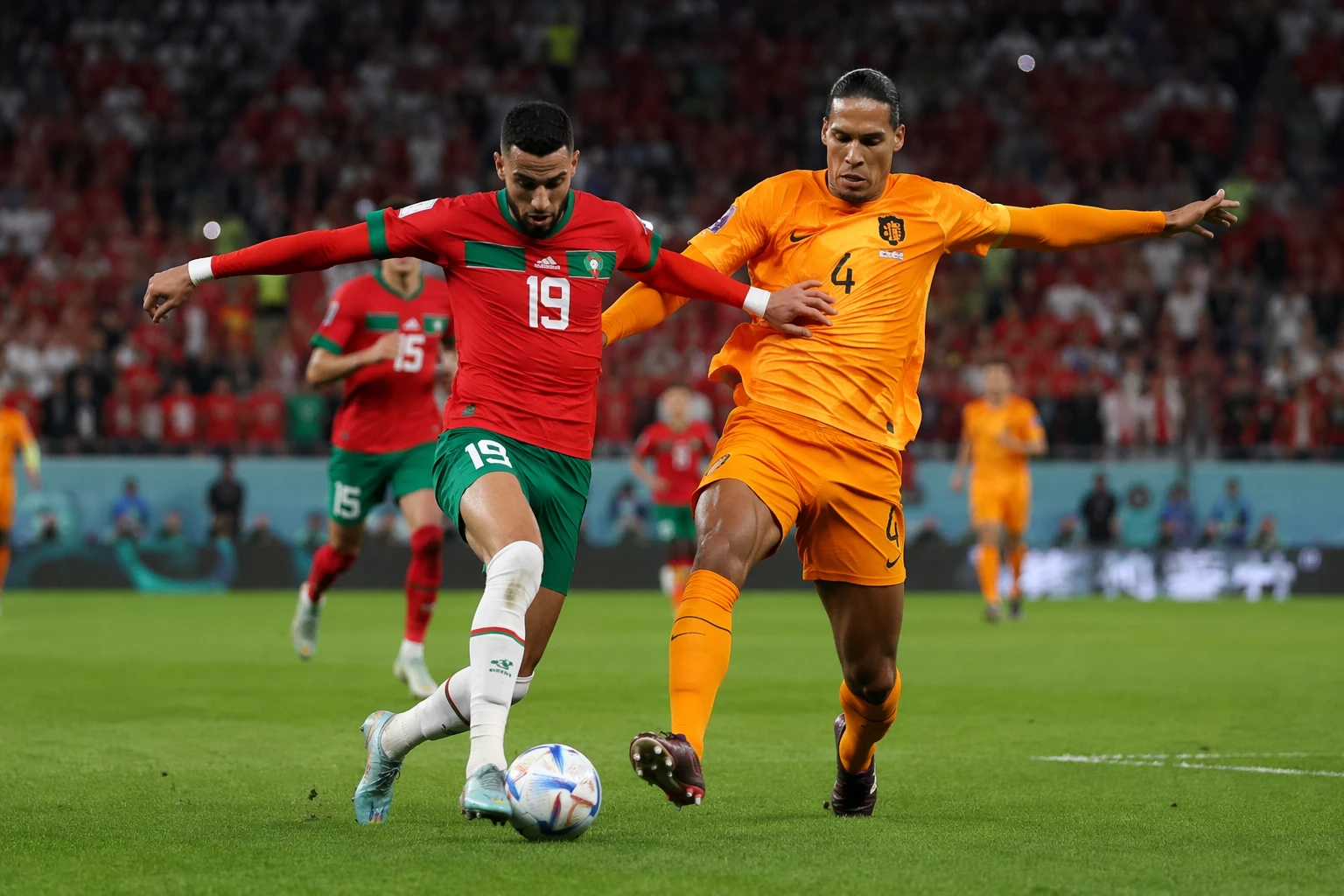
Morocco and the Netherlands became the starkest example of that imbalance. Their early meeting means one of them will be gone before the round of 16, even though both entered the knockout stage with the profile of teams that could have pushed deeper. It is the kind of matchup that would feel like a quarterfinal in a more forgiving bracket, yet it arrives immediately in the first knockout round.
England, Mexico, Portugal and Spain were also identified as teams that might not be pleased with how the bracket unfolds. None of those sides can complain about a lack of pedigree, but pedigree does not control placement once the schedule is fixed. If a team’s route runs through a cluster of dangerous opponents, its margin for error shrinks before the first elimination match begins.
Argentina sits on the opposite end of that conversation. Lionel Messi’s team was described as having one of the clearest routes to the World Cup final four, a reminder that not every path in the bracket carries the same degree of resistance. In a tournament where one side can lose a heavyweight before the last 16 and another side can avoid that kind of early collision, bracket placement becomes a competitive advantage in its own right.
Why this World Cup feels different from Qatar 2022
The contrast with the 2022 World Cup is sharp. That tournament in Qatar ran its knockout stage from December 3 to December 18, 2022, with 16 teams advancing from eight groups into the round of 16, quarterfinals, semifinals and final. Argentina won that title by beating France on penalties at Lusail Stadium, and the smaller knockout field meant fewer teams had to survive a long elimination run.
The 2026 event is larger, more spread out, and hosted across the United States, Canada and Mexico. With three host countries and a 48-team field, the competition has more opportunities for upsets, but also more chances for the bracket itself to shape the outcome. The design does not just reward current form; it rewards the fortune of where a team lands once the group stage ends.
What the bracket says about the tournament ahead
Canada’s late surge showed how quickly the bracket can start taking shape. A 92nd-minute winner made Canada the first team into the last 16, giving it a head start in the race through the knockout stage and underscoring how one stoppage-time moment can change the entire map of the tournament. That is the other side of the bracket story: not only can a difficult path punish a team, but one dramatic goal can also open a cleaner lane.
The deeper lesson is that this World Cup will not be decided by form alone. The knockout design, finalized months before kickoff, has already built in advantages for some teams and hazards for others, and the difference could be decisive by the time the field reaches East Rutherford.
Sources
- [1]news.google.com
- [2]apnews.com
- [3]fifa.com
- [4]espn.com