Sports
World Cup opening week faces heat, humidity and storm delays

The opening week of the 2026 World Cup will be played against more than opponents and tactics. Heat, humidity and fast-moving thunderstorms are set to shape conditions across North America, turning weather into a competitive factor from the first whistle.
The tournament will run from June 11 to July 19 across 16 stadiums in the United States, Canada and Mexico, with 104 matches and 48 teams packed into a summer calendar. Reuters reported that severe-weather risks are already evident in the first rounds, where storms could delay matches with little warning and seasonal forecasts point to above-normal temperatures across large parts of the United States. Moisture moving north from the Gulf of Mexico could add to the strain in the opening stages.
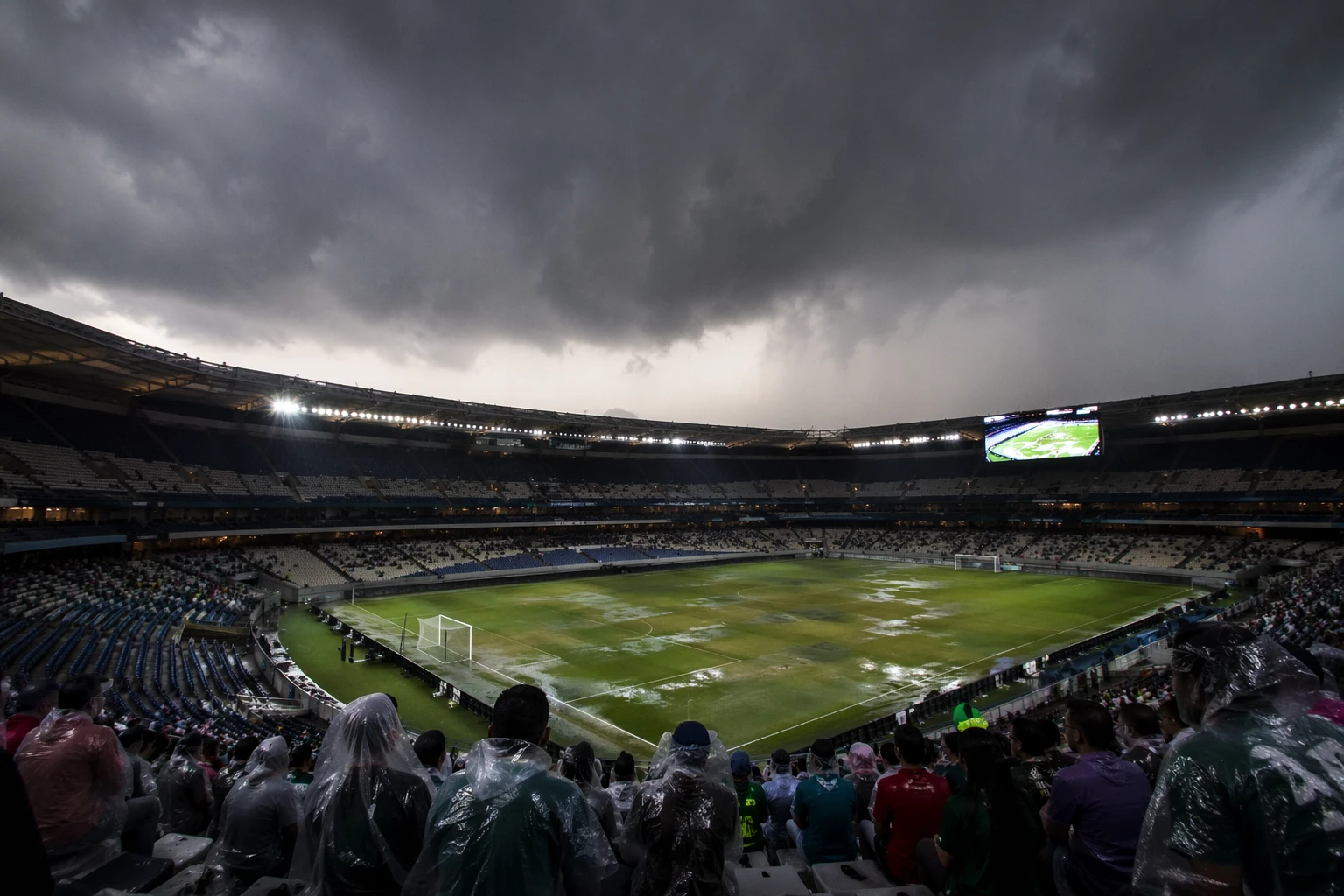
The concern is not just discomfort. Scientists measure heat stress through wet-bulb globe temperature, which folds together heat, humidity, sunlight and wind. World Weather Attribution has warned that roughly a quarter of matches could fall above recommended safety limits, a reminder that the tournament’s size and geography are now colliding with a hotter climate. Chris Minson, a physiology professor at the University of Oregon, said elite players generate enormous internal heat before outside conditions are even considered, with only about 25% of exercise energy going into movement and the rest turning into heat.
Humidity makes that worse because sweat only cools the body when it can evaporate. That is why the most exposed venues include Houston, Miami, Dallas and Monterrey, where players may have to rely as much on recovery rooms and benches as on attacking shape. Substitutions, hydration plans, cooling breaks and even the timing of efforts inside a match could matter as much as ball circulation or pressing structure.

Climate Central’s June analysis sharpened that point, finding that climate change has increased the likelihood of temperatures high enough to affect performance in 97 of the 104 matches. One of the biggest jumps in risk comes in the June 26 group-stage game between Uruguay and Spain in Guadalajara, a matchup that now doubles as a test of environmental resilience. World Weather Attribution said dangerous humid heat is now much more likely across host venues than during the 1994 World Cup era, when Mexico’s match against the Republic of Ireland in Orlando became the hottest game in World Cup history.
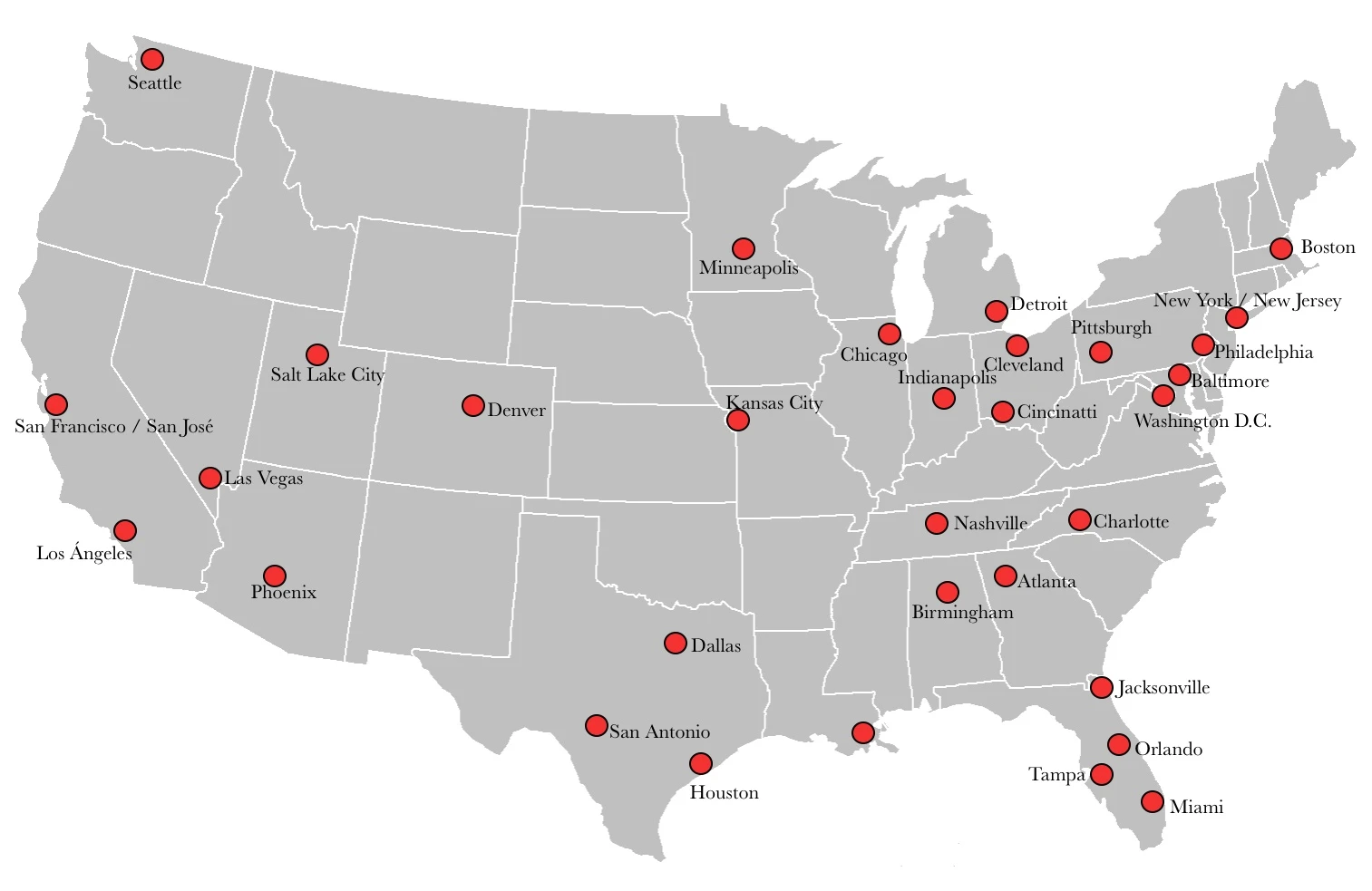
FIFA has said it will use stadiums with roofs to help ease severe-weather concerns, and it has kept cooling breaks in match procedures while also allowing fans to bring one sealed water bottle into stadiums. But the broader lesson of this World Cup is harder to engineer away: in a tournament spread across three countries and 16 cities, the weather may decide more than the scoreboard.
Sources
- [1]usnews.com
- [2]worldweatherattribution.org
- [3]climatecentral.org
- [4]fifa.com
- [5]espn.com