Health
World Cup Organizers Prioritize Ebola Prevention Amid Global Health Concerns
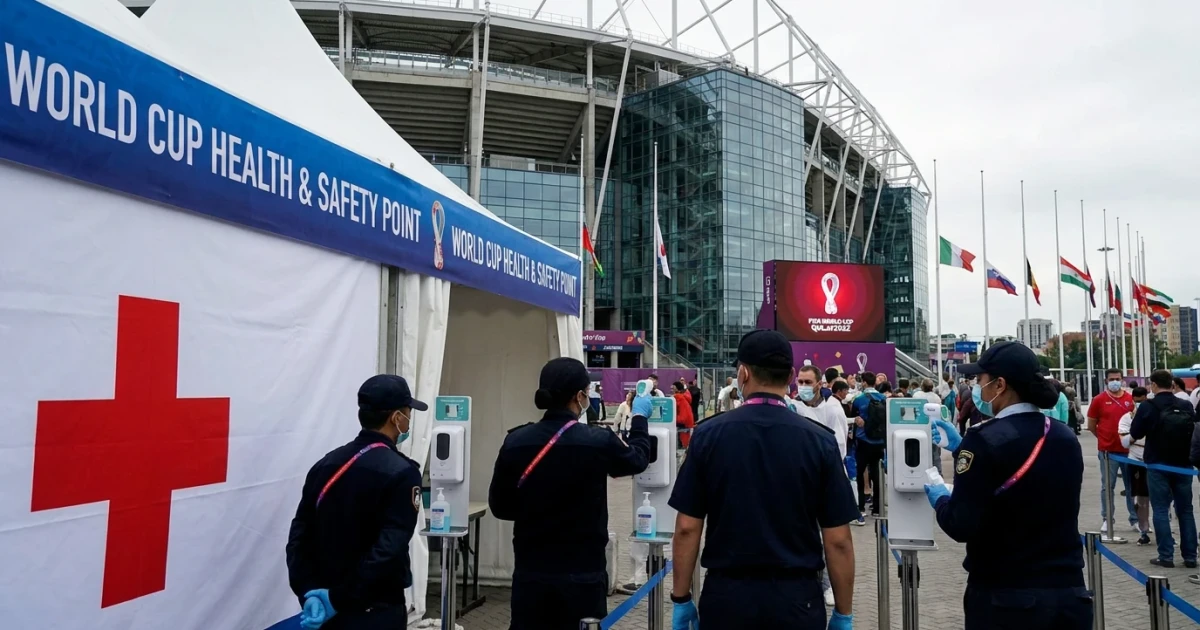
As the largest World Cup in history kicks off, international health officials and event organizers are ramping up strategies to prevent the spread of Ebola virus disease and other infectious threats. With millions of fans, athletes, and staff converging from around the globe, the tournament presents unique public health challenges, prompting extensive preparations to safeguard participants and the broader public.
Comprehensive Health Screening and Surveillance
In the lead-up to the tournament, organizers have implemented rigorous health preparedness and response protocols. These include entry screening for travelers arriving from regions with recent Ebola activity, as well as increased surveillance for symptoms associated with the virus. According to Politico, medical teams are stationed at airports, fan zones, and stadiums to identify and isolate potential cases swiftly.
- Thermal scanning and health questionnaires are in place at entry points.
- Medical personnel are trained to recognize symptoms and enact containment protocols.
- Isolation units have been set up near key venues to respond quickly if a case is suspected.
These measures adhere to World Health Organization guidance for mass gatherings, which emphasizes early detection and rapid response as critical steps in outbreak prevention.
International Coordination and Preparedness
Efforts to prevent Ebola at the World Cup are part of a broader international strategy. The United States, United Kingdom, and host nation authorities have been working under frameworks like the Ebola Emergency Response Act to coordinate resources and share real-time information about potential risks. Politico notes that the event’s health command center is linked with global surveillance networks to track developments and activate containment measures if necessary.
This approach draws on lessons from past outbreaks, where delays in coordination hampered response times. Now, authorities emphasize seamless communication and predefined action plans, including quarantine and isolation procedures outlined in the U.S. federal quarantine policy.
Public Education and Risk Communication
Preventing Ebola transmission also depends on informed and cooperative participants. Health officials have launched multilingual campaigns to educate fans on recognizing Ebola symptoms, responsible hygiene practices, and when to seek medical attention. Messaging is distributed via official apps, stadium screens, and local media to maximize reach.
- Fans are urged to report symptoms like fever, fatigue, and unexplained bleeding.
- Hand sanitation stations are available throughout venues.
- Information on local healthcare resources is readily accessible for visitors.
These efforts are supported by research indicating that transparency and timely information reduce panic and improve compliance with health measures during mass events, as examined in a recent peer-reviewed study on Ebola and international travel.
Beyond Ebola: Vigilance for Multiple Health Threats
While Ebola remains a focal point due to its high mortality rate and history of outbreaks, health officials are also monitoring for other infectious diseases, including influenza, measles, and emerging respiratory viruses. Politico and other outlets highlight that the World Cup’s health strategy is comprehensive, addressing a spectrum of risks that could affect athletes and fans alike.
Continuous risk assessments, vaccination campaigns, and on-site diagnostic labs have been deployed to identify and manage any potential outbreaks quickly. Organizers stress that protecting public health is essential to ensuring the tournament’s success and legacy.
Looking Ahead
As the tournament unfolds, health authorities will continue to evaluate and adapt their strategies based on evolving conditions. The integration of international standards, robust surveillance, and clear communication is expected to mitigate risks and allow the world to focus on the excitement of the games.
For fans, athletes, and organizers, the lessons learned at this World Cup may set the standard for future mass gatherings in an increasingly interconnected world.