Sports
World Cup security teams race to counter drone threats
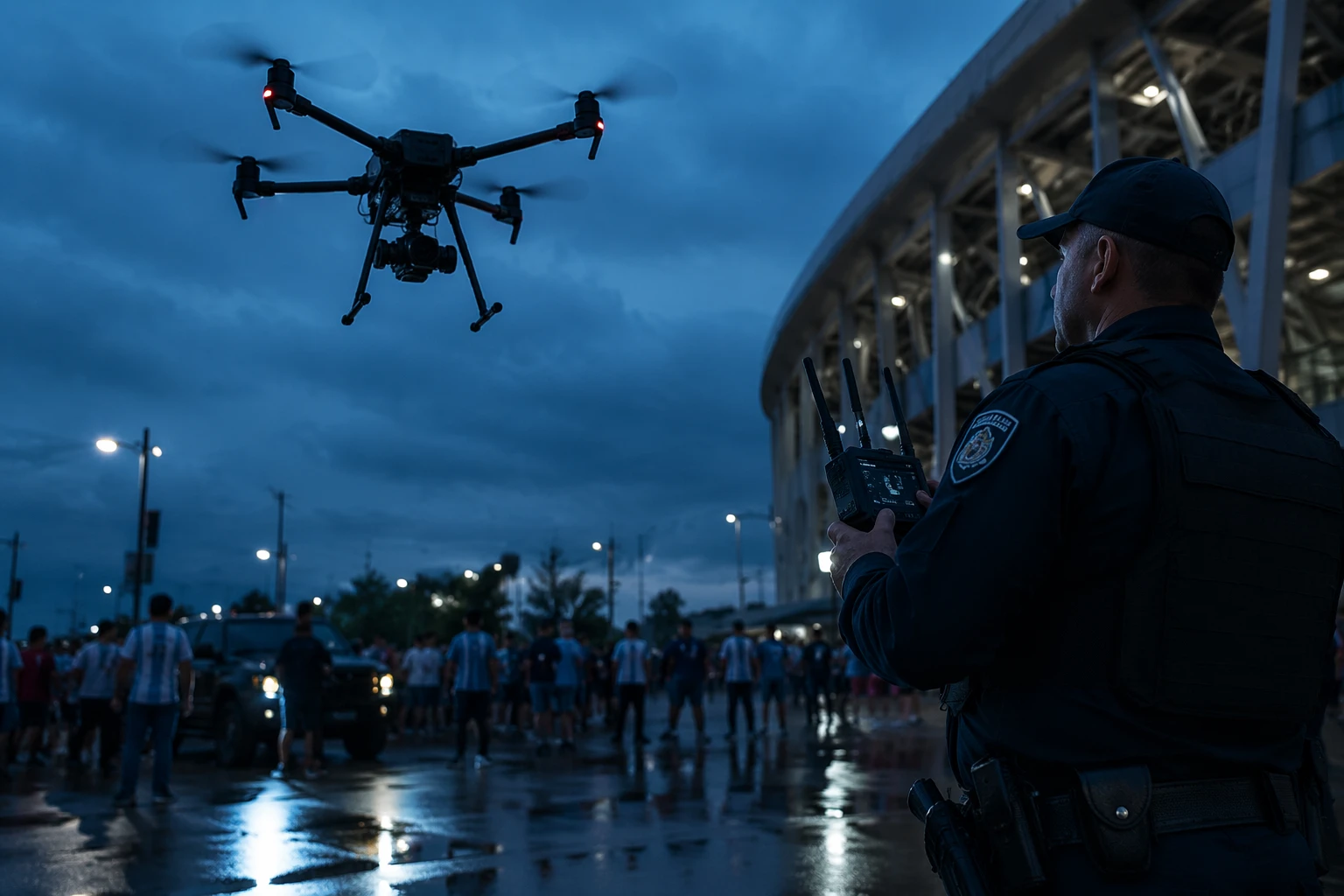
Cheap consumer drones have turned the 2026 World Cup into a test of America’s domestic security playbook. The threat is not limited to the stadium bowl; planners are now trying to protect fan zones, team hotels, training sites and transit routes across multiple U.S. cities and jurisdictions, where a small aircraft can appear, linger and disappear before a security team can react.
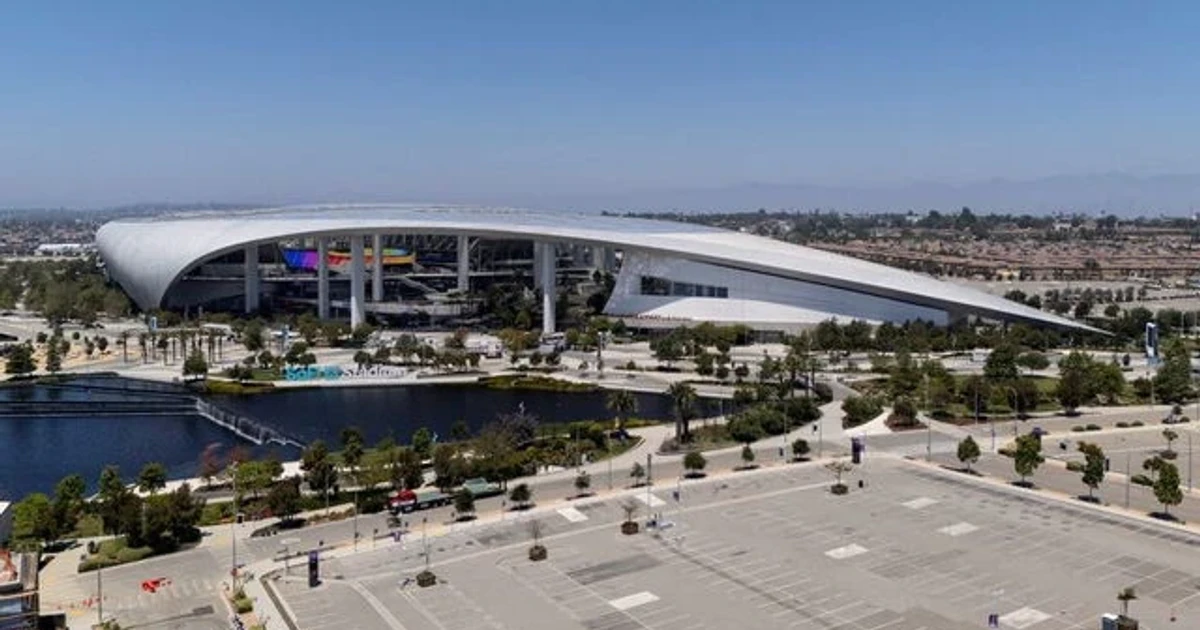
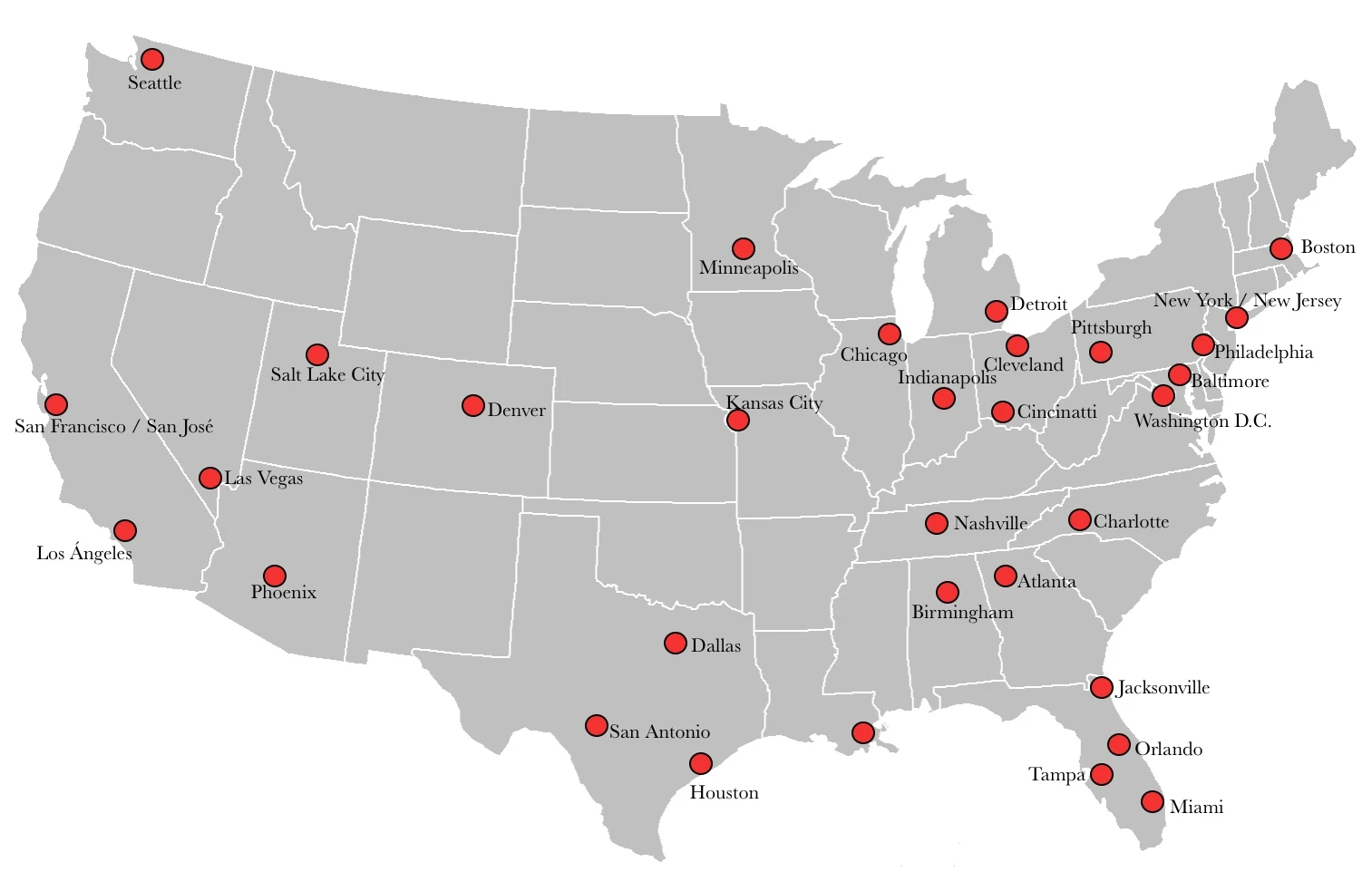
The Federal Aviation Administration moved on May 28 to draw hard lines around the tournament. On match days, all aircraft operations, including drones, are prohibited within a 3-nautical-mile radius and up to 3,000 feet above ground level around host venues such as SoFi Stadium in Los Angeles, Levi’s Stadium in Santa Clara, Lumen Field in Seattle, AT&T Stadium in Arlington, NRG Stadium in Houston, Mercedes-Benz Stadium in Atlanta, Gillette Stadium in Foxborough, Hard Rock Stadium in Miami, Arrowhead Stadium in Kansas City, MetLife Stadium in East Rutherford and Lincoln Financial Field in Philadelphia. The agency said unauthorized operators could face drone confiscation, federal criminal charges and fines of up to $100,000, and it launched the Drone Expedited and Targeted Enforcement Response, or DETER, to speed up enforcement.
The FAA is also extending the perimeter beyond the venue itself. It issued drone-only temporary flight restrictions around World Cup team base camps in 12 U.S. host cities from June 1 through July 21, covering a 1-nautical-mile radius up to 400 feet around designated hotels and practice facilities. The exemptions are narrow, covering national defense, homeland security, law enforcement, firefighting and search-and-rescue operations, which leaves little room for casual or unapproved flights.
Security specialists say the challenge comes from speed, altitude and affordability. Melissa Swisher of SkySafe said a drone costing about $1,000 and moving 40 to 45 miles per hour could cover two miles in under three minutes. Tom Adams of DroneShield said drones can get around conventional stadium defenses such as bollards, magnetometers and expanded pedestrian perimeters because they come from above, not through the screening lines built for fans on foot.
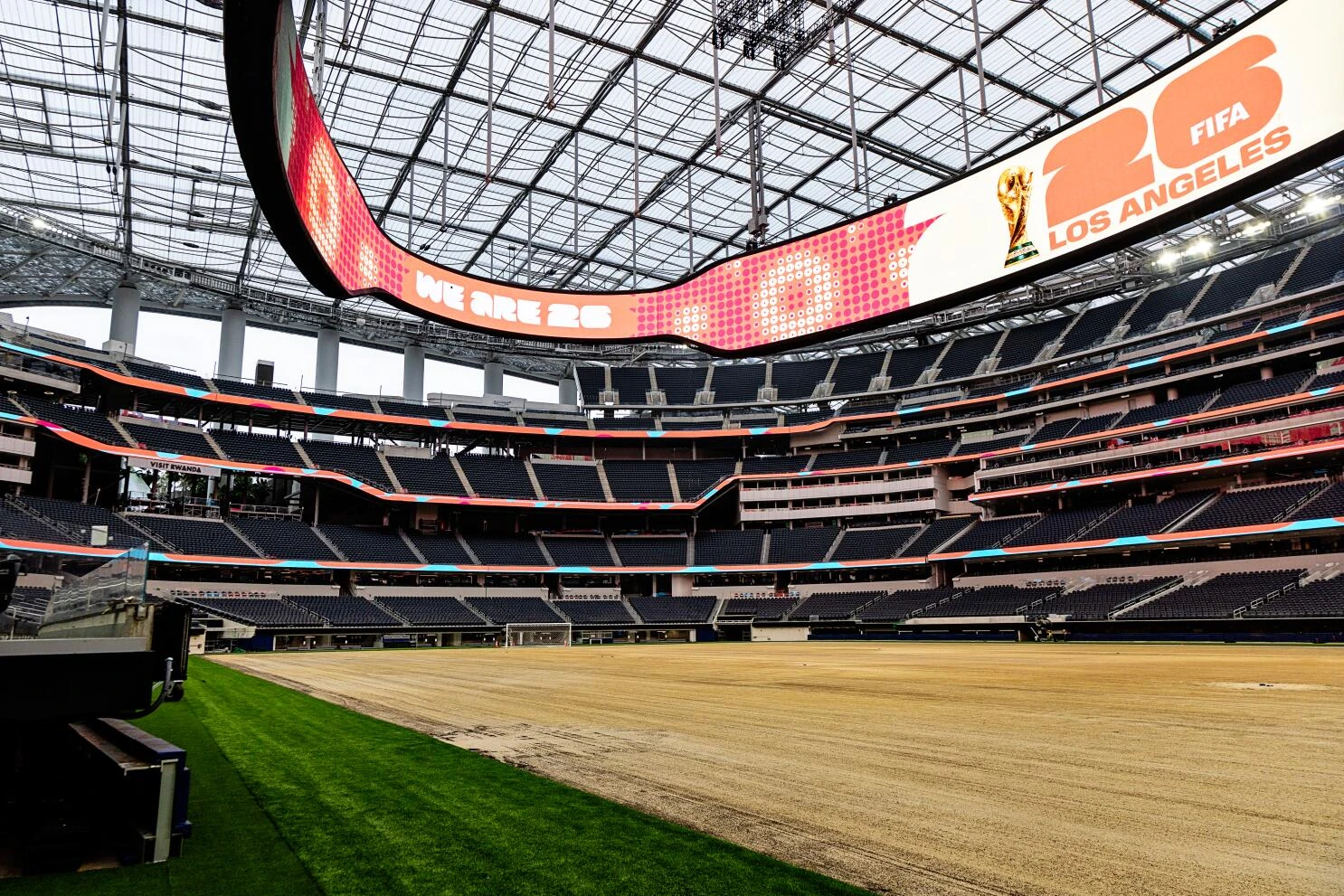
That makes the concern as much about intelligence gathering as direct attack. Security planners are wary of drones used to map guard patterns, monitor team movements or capture unauthorized footage of players and venues. Even when no weapon is attached, a drone can reveal how a site is protected and where it is weak.
The money being spent reflects that shift. Forbes reported that the United States is committing $365 million to drone-focused World Cup security, including $250 million from FEMA and $115 million from the Department of Homeland Security. Firms including Fortem Technologies and Ondas Holdings are supplying radar, interception and passive detection systems. The result is a tournament security model that now treats airspace as a front line, not an afterthought.
Sources
- [1]usnews.com
- [2]faa.gov
- [3]flyingmag.com
- [4]forbes.com