Sports
World Cup shocks show rankings no longer guarantee results
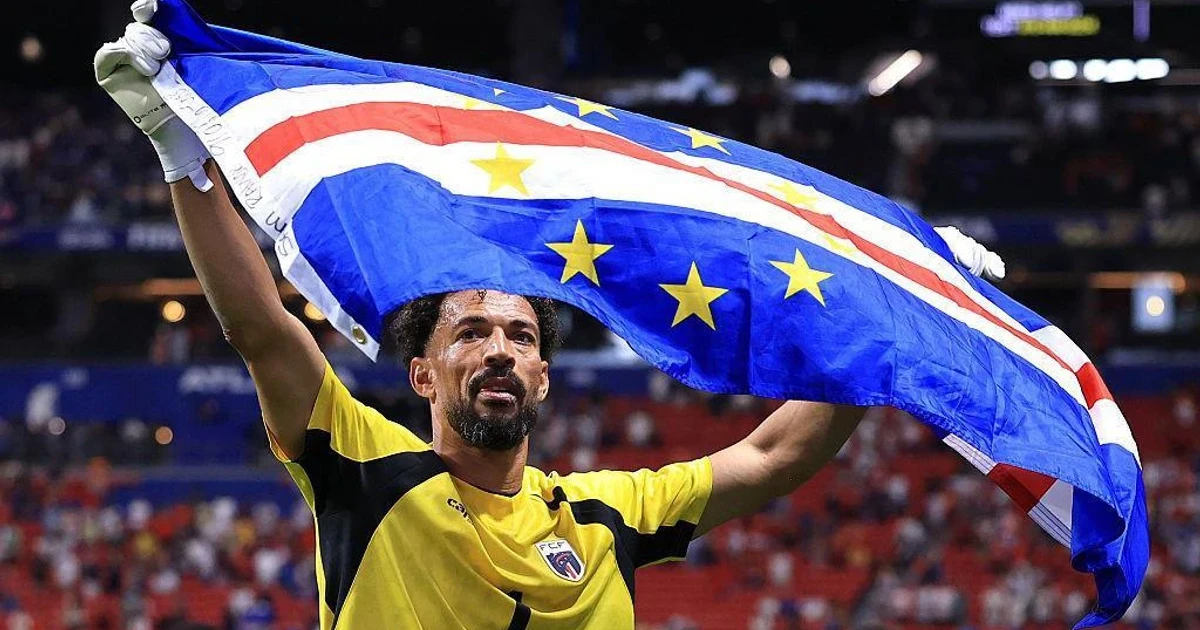
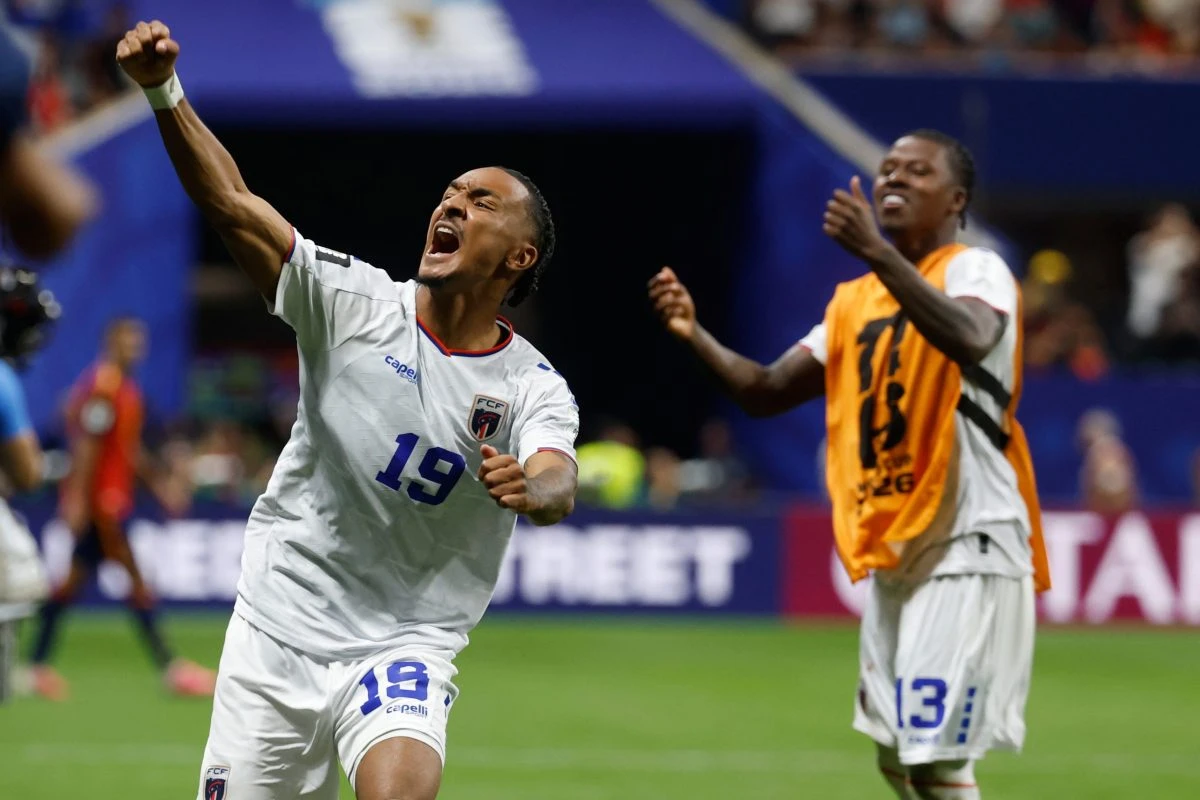
Cape Verde held Spain to a goalless draw despite Spain’s 23 shots, one of the clearest signs yet that World Cup rankings do not reliably predict results. FIFA said in June 2026 that the widest group-stage ranking gap in this tournament was 77 places, and the opening matches have already produced enough shocks to test whether the sport is entering a new competitive phase or simply living through an unusually volatile World Cup.
The expanded 48-team format at the 2026 FIFA World Cup has given more debutants and lower-ranked nations a chance to meet traditional heavyweights, and several of them have taken full advantage. FIFA called Cape Verde’s result a “seismic shock,” while Iran and New Zealand played out a 2-2 draw after New Zealand twice led in their Group G opener. DR Congo also earned a 1-1 draw with Portugal, showing that resource gaps do not always translate into scoreline gaps.
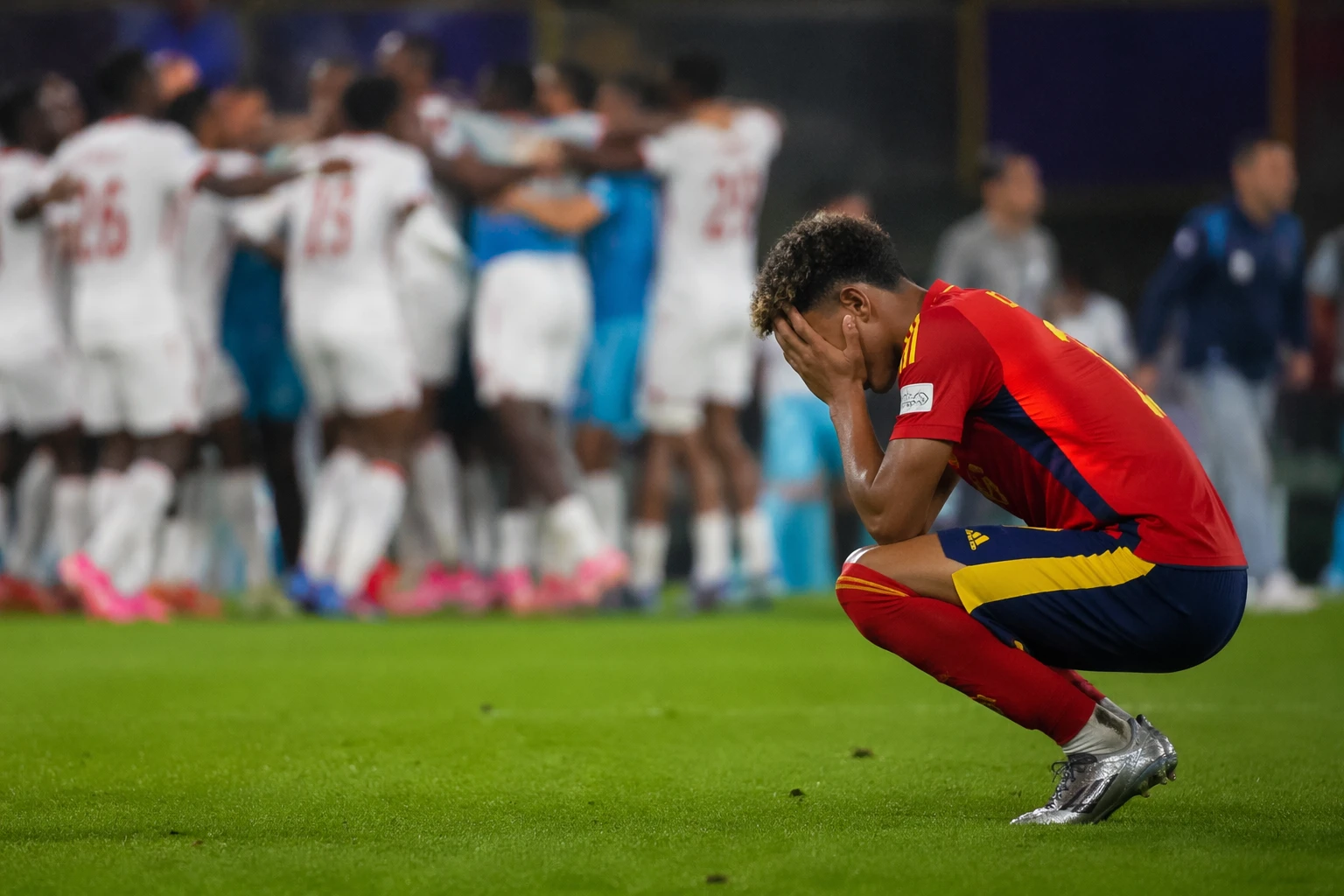
The pattern has pointed to more than luck. Business Standard said lower-ranked teams have been compensating for weaker resources with tactical organisation, collective discipline and self-belief, and it highlighted how Spain were held by 72nd-ranked Cape Verde, Uruguay needed a late equaliser against Saudi Arabia, Belgium were held by Egypt and Iran, and Portugal were frustrated by DR Congo despite completing 789 passes. In other words, possession and pedigree have not been enough on their own.
FIFA’s historical review suggests this is not a new phenomenon, only a renewed one. Saudi Arabia beat eventual champions Argentina 2-1 at Qatar 2022. Cameroon beat Argentina at Italy 1990. Korea DPR stunned Italy at England 1966. France fell 1-0 to Senegal in the opening match of Korea/Japan 2002, when Papa Bouba Diop scored the winner and Aliou Cissé later became Senegal’s coach. FIFA lists Cameroon, Senegal, the United States, Norway and Costa Rica among the tournament’s most famous giant-killers.
The question for the rest of the tournament is whether these results amount to a structural shift. The 48-team format has widened access, neutral venues have reduced home-field advantage, and short, knockout-driven pressure means one mistake can reshape an entire campaign. If lower-ranked teams keep pairing tactical control with physical discipline and belief, the rankings will matter less than they once did.
Sources
- [1]bbc.co.uk
- [2]fifa.com
- [3]business-standard.com
- [4]espn.com
- [5]apnews.com