World
World Cup spotlight spotlights Mexico’s enforced disappearances crisis

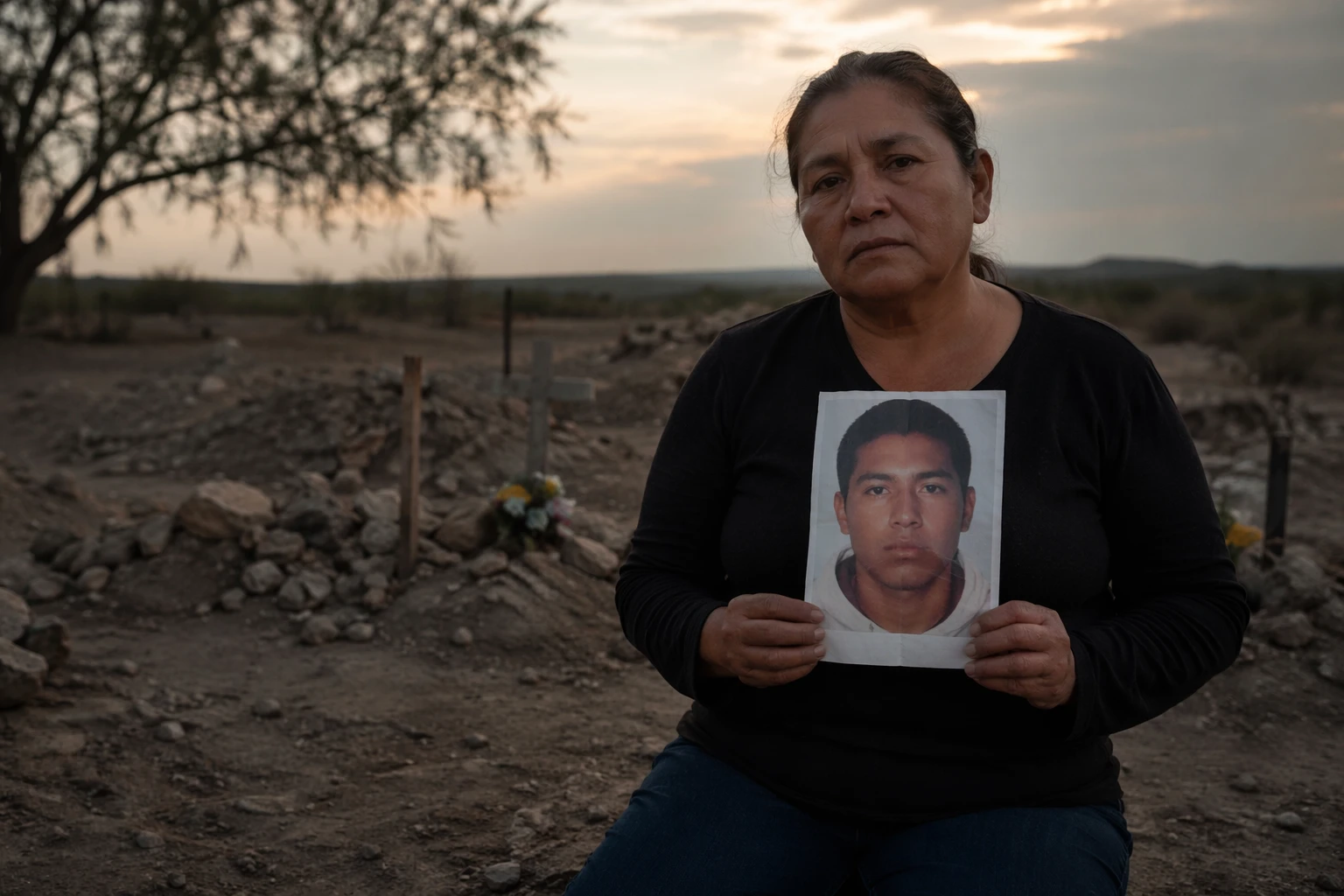
Óscar was 19 when he disappeared after leaving Honduras in 2008, and Ana Enamorado last heard his voice on 19 January 2010 after he had been taken to El Carrizo in Jalisco.
Young men lured Óscar to Mexico with promises of a job, a salary, education and a chance to see his mother again. She placed his disappearance in the years after President Felipe Calderón declared the war on drugs, when cartels were expanding forced recruitment. The case then stalled for years. Mexican authorities did not begin searching for Óscar until 2020, a full decade after she reported him missing, and forensic officials later tried to hand her ashes without DNA evidence. Jalisco’s state forensic institute cremated about 1,560 unidentified bodies in less than a decade.
Mexico’s National Registry of Missing and Unlocated Persons, run by the National Search Commission and used to support investigations, listed 132,534 people still missing in March 2026. Amnesty International put the total at 134,460 on 25 May 2026. One 2026 report said more than 46,000 people in the registry had not had an investigation opened because of missing data, while another said roughly 31 percent of the more than 132,000 registered as disappeared might actually be alive.


In April 2026, the UN Committee on Enforced Disappearances invoked Article 34 in relation to Mexico for the first time in its history, then asked the UN Secretary-General on 2 April to urgently refer the situation to the United Nations General Assembly. On 11 May, the Inter-American Commission on Human Rights issued its report Missing persons in Mexico, calling the issue a humanitarian crisis that has gripped the country since 2018. In June, Amnesty International said women searchers were preparing World Cup protests to demand safety, foreign support and real action.
Sources
- [1]globalissues.org
- [2]ohchr.org
- [3]oas.org
- [4]amnesty.org
- [5]ipsnews.net
- [6]mexiconewsdaily.com
- [7]parriva.com
- [8]consultapublicarnpdno.segob.gob.mx