Sports
World Cup stadiums face zero-tolerance drone crackdown, officials say
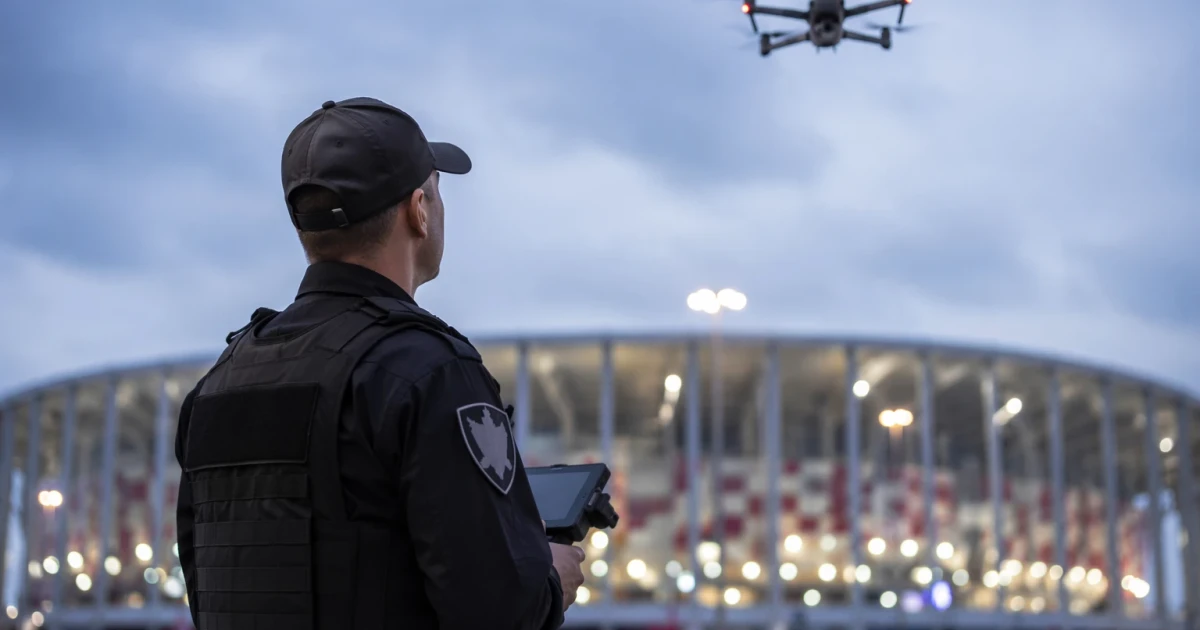
As the World Cup opens across the United States, security officials are treating even small consumer drones as a serious stadium threat, not a piece of spectator gadgetry. The response is built around airspace control, electronic countermeasures and stiff penalties, reflecting how quickly a cheap flying device can become a hazard over a crowd.
Authorities are preparing a zero-tolerance posture for the tournament’s 78 matches in 11 U.S. cities. The Federal Aviation Administration will restrict airspace around crowded stadiums and fan events, and law enforcement agencies have expanded counter-drone measures already used at major events such as the Super Bowl.
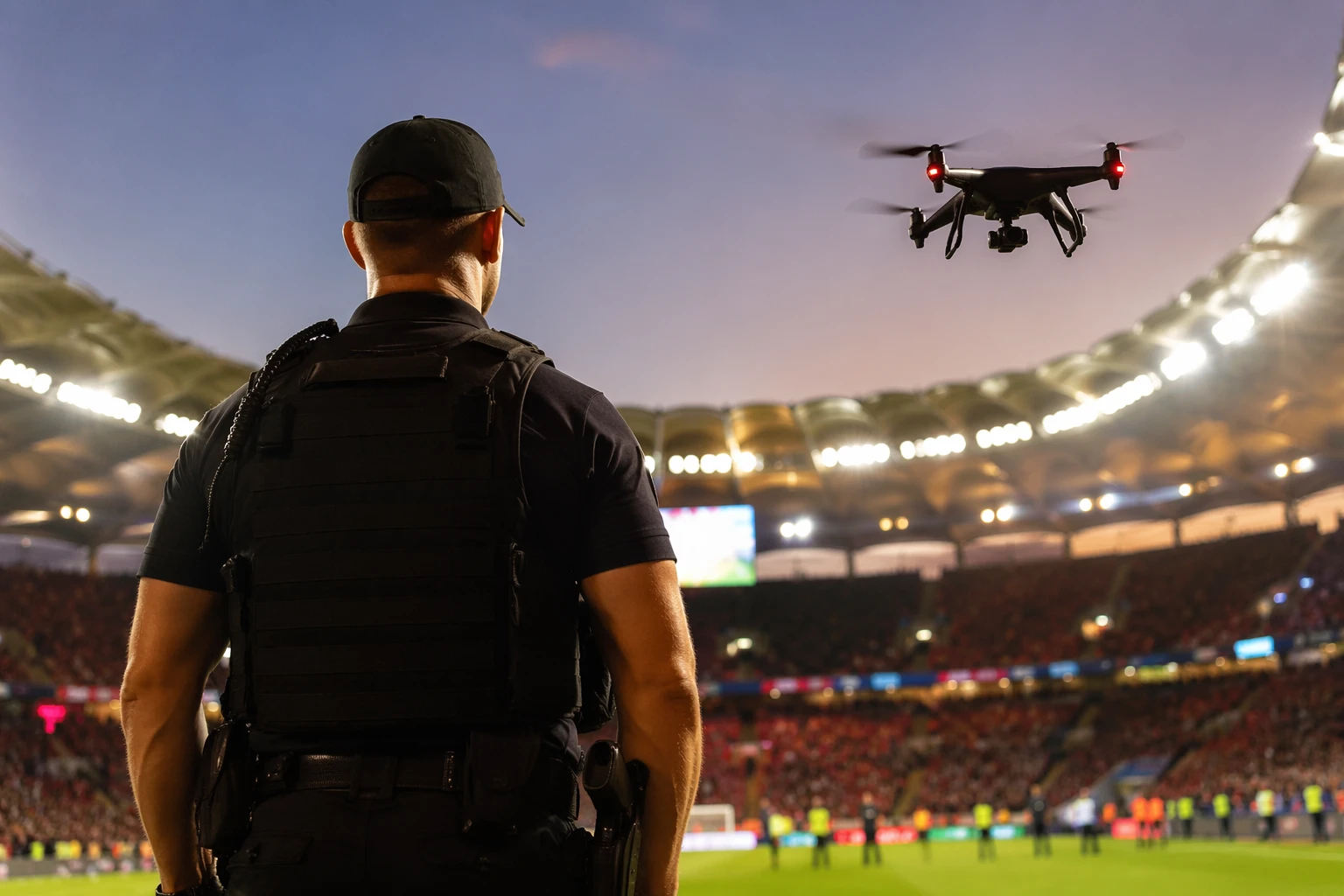
Congress has recently given state and local police broader authority to electronically disable threatening drones or, if necessary, shoot them down. Officials are also warning that violators could face fines of up to $100,000, confiscation of the drone and criminal charges, a combination meant to deter hobbyists and bad actors alike before they test the perimeter.
The crackdown reflects a security mindset shaped by modern conflict and by the scale of the crowds these matches will draw. New York Police Department Commissioner Jessica Tisch has said the war in Ukraine has become a real-world test of drone technology and that drones are among the threats that keep her up at night. That concern now extends from battlefield lessons to stadium safety, where a low-cost aircraft can trigger panic, surveillance fears or an attack scenario in seconds.
The FBI has spent years building up its drone-detection and response capabilities and has already trained law enforcement in all World Cup host cities. But the bureau does not plan to use military-style drone takedowns over the games, citing the danger that falling debris could pose to spectators in dense urban areas. That choice underscores how security planning for mega-events now has to balance force with public safety, especially in cities where packed stands and surrounding neighborhoods leave little margin for error.
For fans, the message is simple: the airspace around stadiums is part of the security zone. The World Cup’s drone rules show how major sporting events are being managed in an era when airports, streets and stadiums are no longer the only places officials must protect, and where public safety increasingly depends on controlling what flies overhead as much as who enters the gates.
Sources
- [1]usnews.com