Sports
World Cup VAR sparks controversy as FIFA defends technology
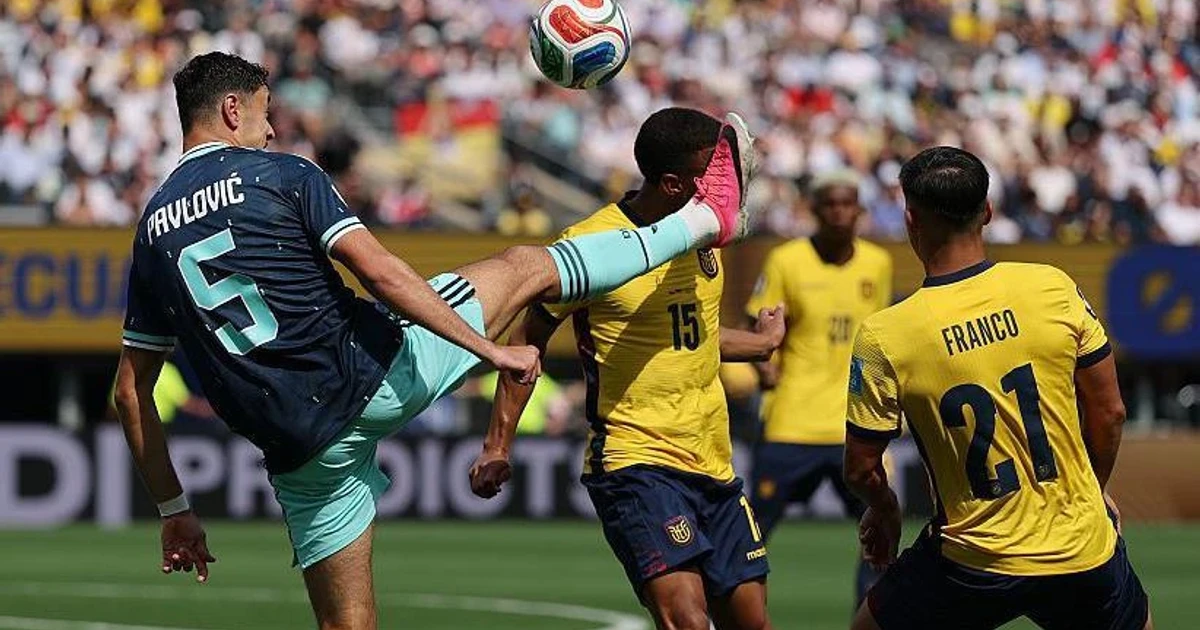
A late VAR overturn on Iago Aspas’s goal kept Spain level with Morocco at 2-2 on 25 June 2018, and it was followed the same day by another disputed intervention in Portugal’s 1-1 draw with Iran. Those two matches, played in the space of hours, turned the World Cup’s first use of video review into a test not just of accuracy, but of whether football’s newest referee was making the game feel clearer or more chaotic.
VAR had never been used at a FIFA World Cup before Russia 2018. FIFA approved the system in March 2018 after a two-year trial, then sent it into the tournament’s group stage with the promise that replay could correct the biggest mistakes without changing the rhythm of the sport too much.
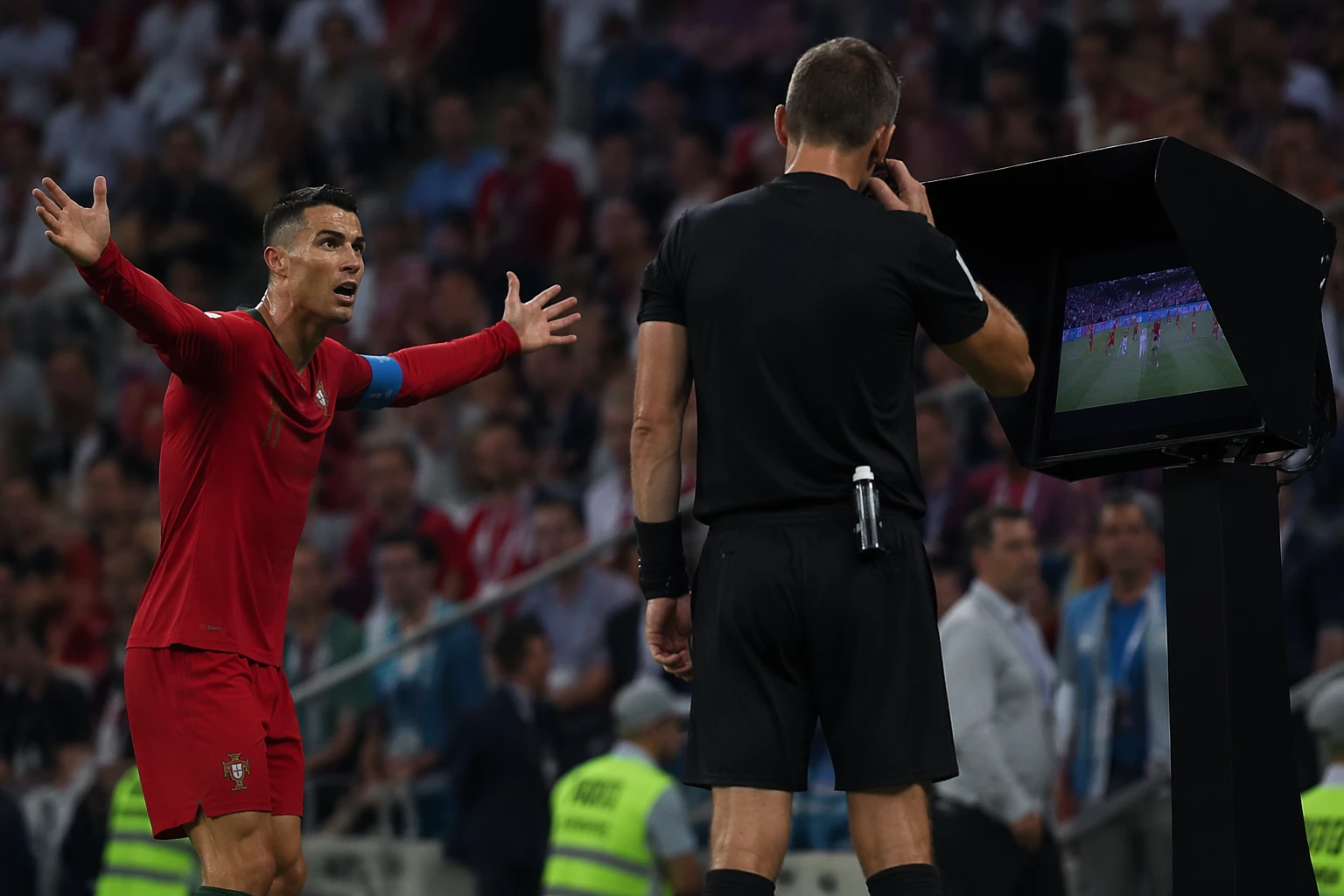
Instead, several of the most watched matches became flashpoints. VAR was involved in France’s opener against Australia, then in Spain’s comeback against Morocco, where Aspas’s late strike was initially ruled out before the decision was reversed. In Saransk, Portugal’s match against Iran produced three second-half VAR decisions and ended with Iran being awarded a stoppage-time penalty. Portugal defender Jose Fonte called the system “unacceptable” after that match, while critics called the refereeing “farcical and shambolic.”
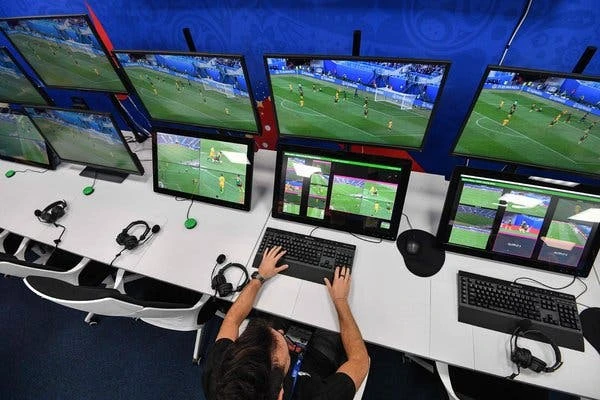
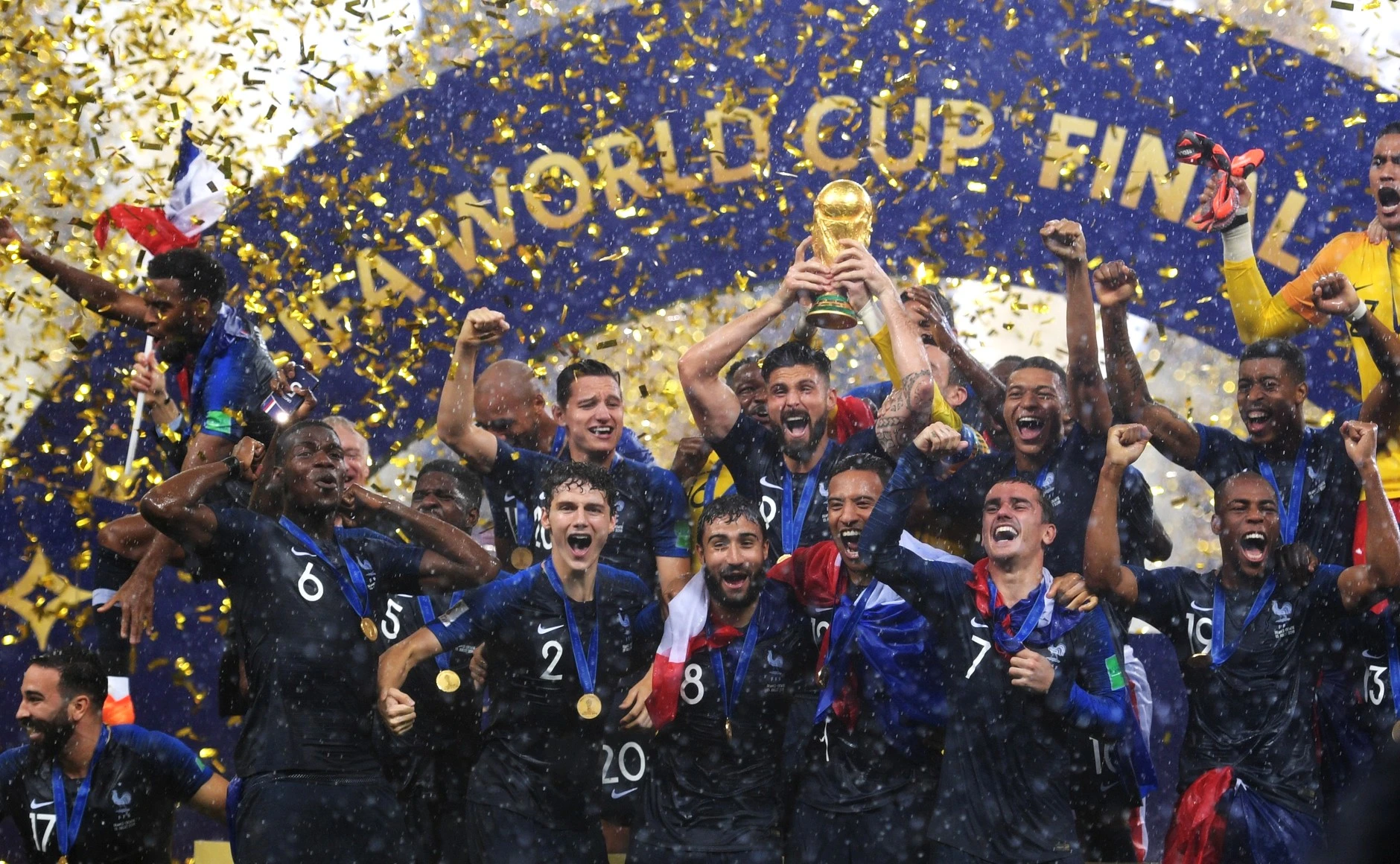
After analysing 335 incidents from the 48-match group stage, FIFA said referees’ decisions were 99.3% correct when VAR was used. FIFA also said seven penalties were awarded with the help of the system during the tournament. Pierluigi Collina and Massimo Busacca, two of FIFA’s leading refereeing figures, publicly backed the technology and argued it was delivering better justice on the field, with FIFA calling VAR “cleaning football.”
Sources
- [1]bbc.co.uk
- [2]inside.fifa.com
- [3]espn.com
- [4]independent.co.uk
- [5]news24.com
- [6]theweek.in