World
World leaders hail deal to reopen Strait of Hormuz, end conflict
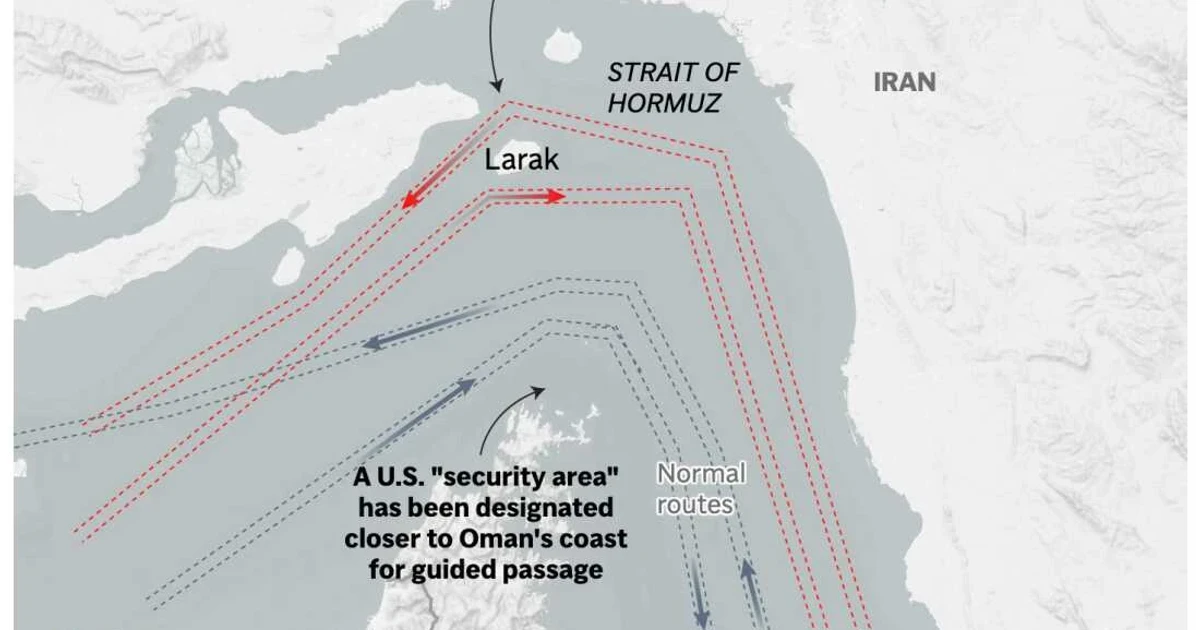
World leaders welcomed a breakthrough to reopen the Strait of Hormuz, but the economic test now begins: whether an announced peace deal can be turned into verified, safe passage through one of the world’s most important energy chokepoints. The United States and Iran said they had agreed to an immediate and permanent end to the conflict, with a signing ceremony set for Friday in Switzerland and 60 days of further talks expected on Iran’s nuclear program.
Donald Trump said he would authorize the immediate removal of the U.S. naval blockade, while Iranian state media reported a 14-page draft memorandum that would include the lifting of U.S. oil sanctions and an Iranian commitment to reopen the strait within 30 days. Keir Starmer called the agreement a “hugely important step forward in ending the war,” while stressing that the Strait of Hormuz must remain “fully and permanently open.” Sanae Takaichi also welcomed the deal as a major step toward resolution.
The Strait of Hormuz carries around 20% of global petroleum and 20% of global liquefied natural gas each year, and before the conflict about 3,000 vessels used it every month. That traffic has been badly disrupted. Data cited by the House of Commons Library shows a 95% reduction in crude-oil ships to and from Persian Gulf ports and a 99% reduction in LNG ships since the fighting began. The UAE state-owned oil company has warned that full flows may not return until 2027, even if diplomacy moves quickly.
Markets moved immediately, but not decisively. Oil prices fell on the news, with WTI futures dropping to around $80 a barrel and Brent falling more than 4% in some trading. Investors read the announcement as a possible easing of supply pressure, but shipping executives were slower to follow. Many shipowners were waiting for more detail before sending vessels back through the waterway, especially after months of stoppages and insecurity.
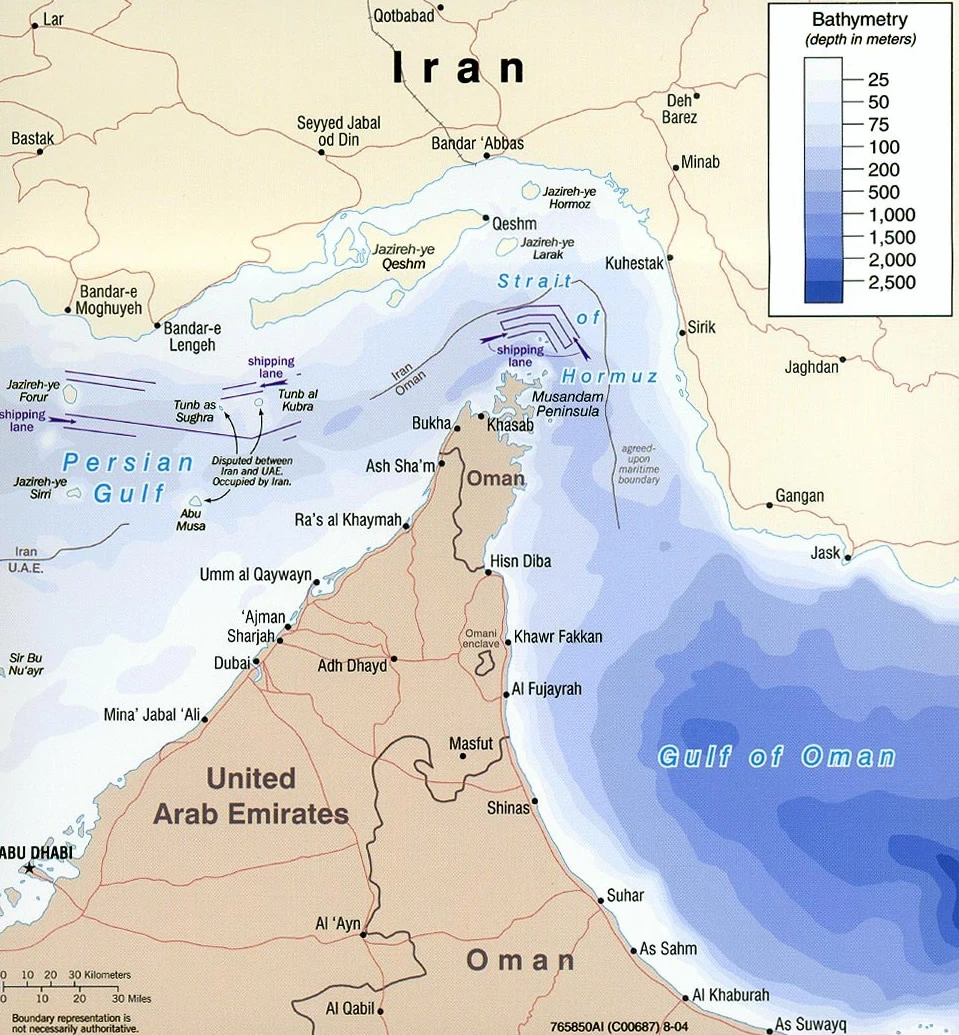
The next hurdle is not the headline, but the mechanics. France and the United Kingdom convened 51 countries for an international summit on the strait on 17 April 2026, and the UK, France, Germany and Italy said they were prepared to lift relevant sanctions only in response to clear and verifiable Iranian steps on its nuclear program. Their statement called the urgent reopening of Hormuz with unconditional and unrestricted freedom of navigation essential. The UK government said the multinational mission would be strictly defensive, protecting merchant vessels and carrying out mine clearance operations as soon as conditions permit. For governments and markets alike, the question is whether this is a durable reopening or another pause before the next disruption.
Sources
- [1]nytimes.com
- [2]cnbc.com
- [3]gov.uk
- [4]commonslibrary.parliament.uk
- [5]usnews.com
- [6]indianexpress.com
- [7]bloomberg.com