World
World leaders weigh in as Andy Burnham nears UK premiership
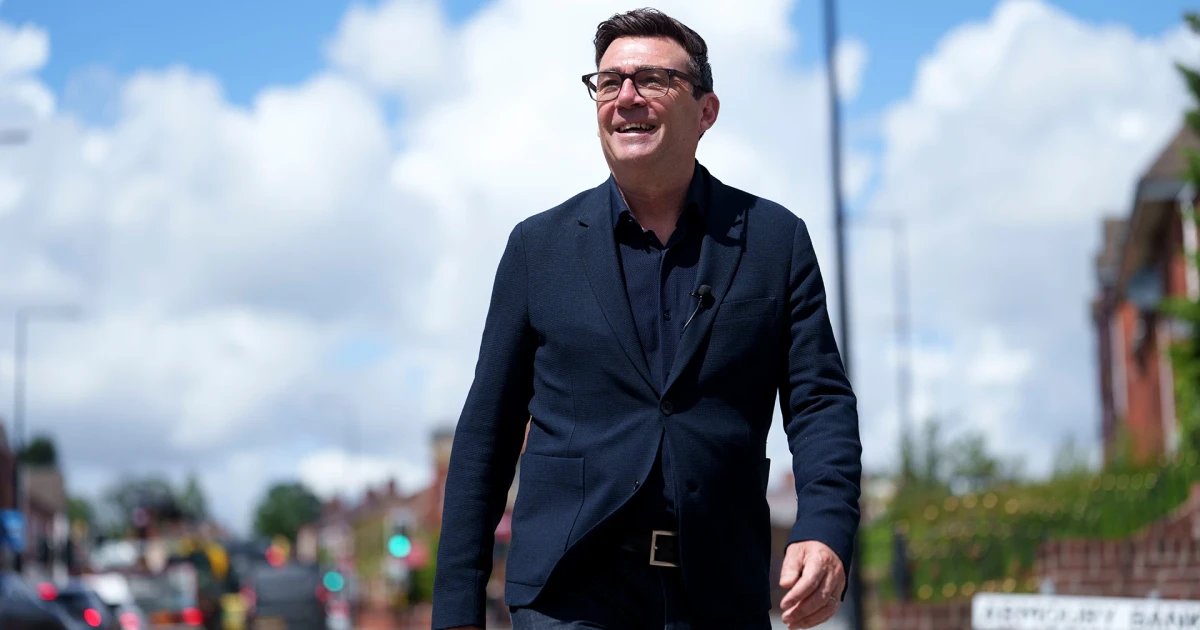
Labour lawmakers rallied behind Andy Burnham and pushed him to the brink of No 10, sending foreign capitals into a fast read on what kind of Britain he would inherit. Donald Trump gave the first public verdict, calling Burnham “extremely liberal” and suggesting he would probably not open the North Sea to more oil drilling.
The transatlantic split is already visible. Trump said he knew little about Burnham and described him as “a mayor of a town”, while Burnham has previously said Trump’s return to office brought instability. That clash matters because Burnham has made clear that he wants closer ties with the European Union and has said he hopes Britain will rejoin it in his lifetime, a signal that Brussels will read as a break from the harder Brexit line that still shapes European attitudes to London.
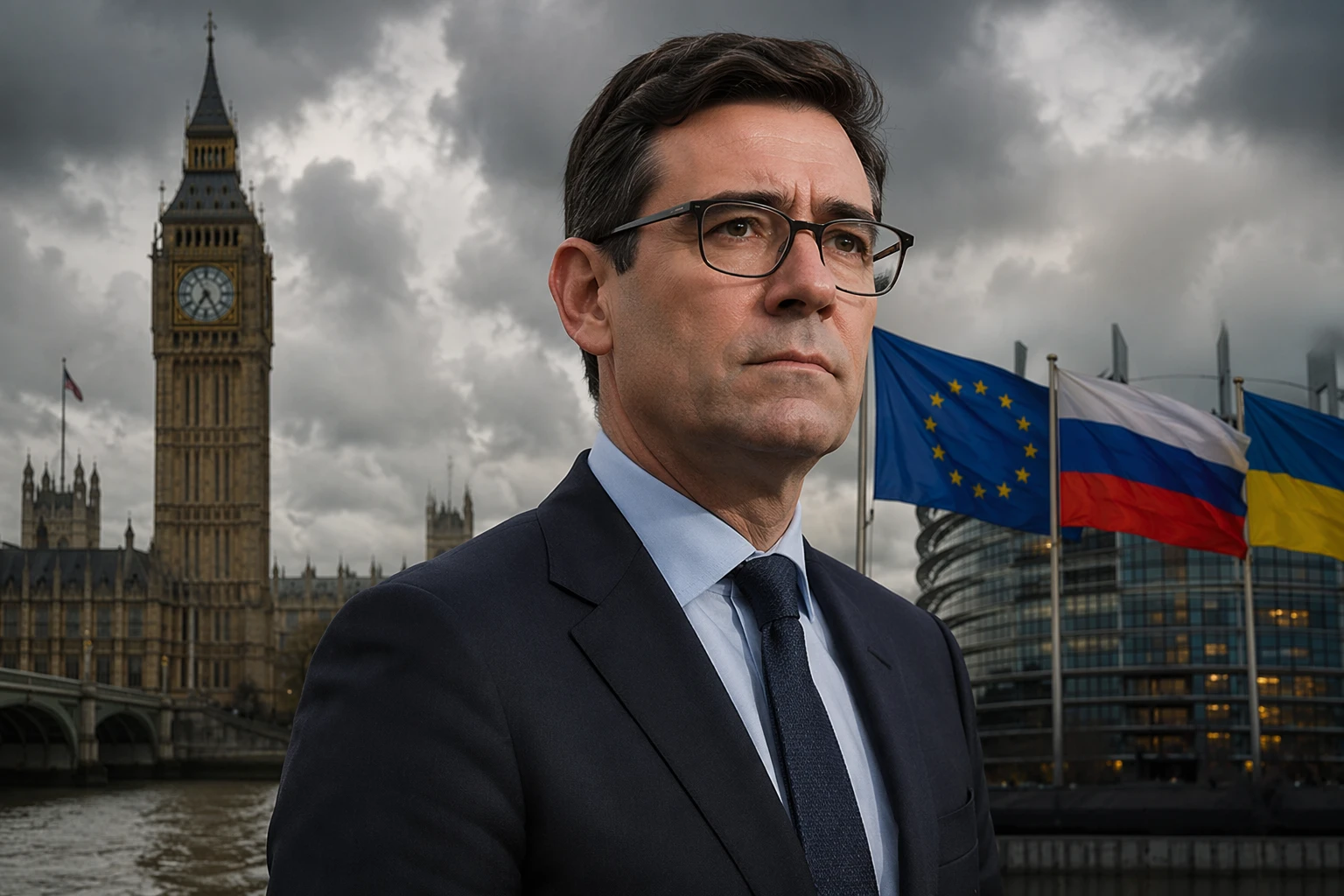
Russia and Ukraine present a different test. Reuters reported that Burnham would need an extra £4.7 billion to close a defence funding gap, a problem that would force either deeper spending cuts or higher taxes at a moment of acute security pressure. Kemi Badenoch seized on that, arguing that Vladimir Putin “won’t be worried” about the incoming prime minister. In Kyiv, the judgment has been more settled: reporting on Ukraine has described Burnham as a consistent supporter of Kyiv, making a sharp rupture in British backing look unlikely.
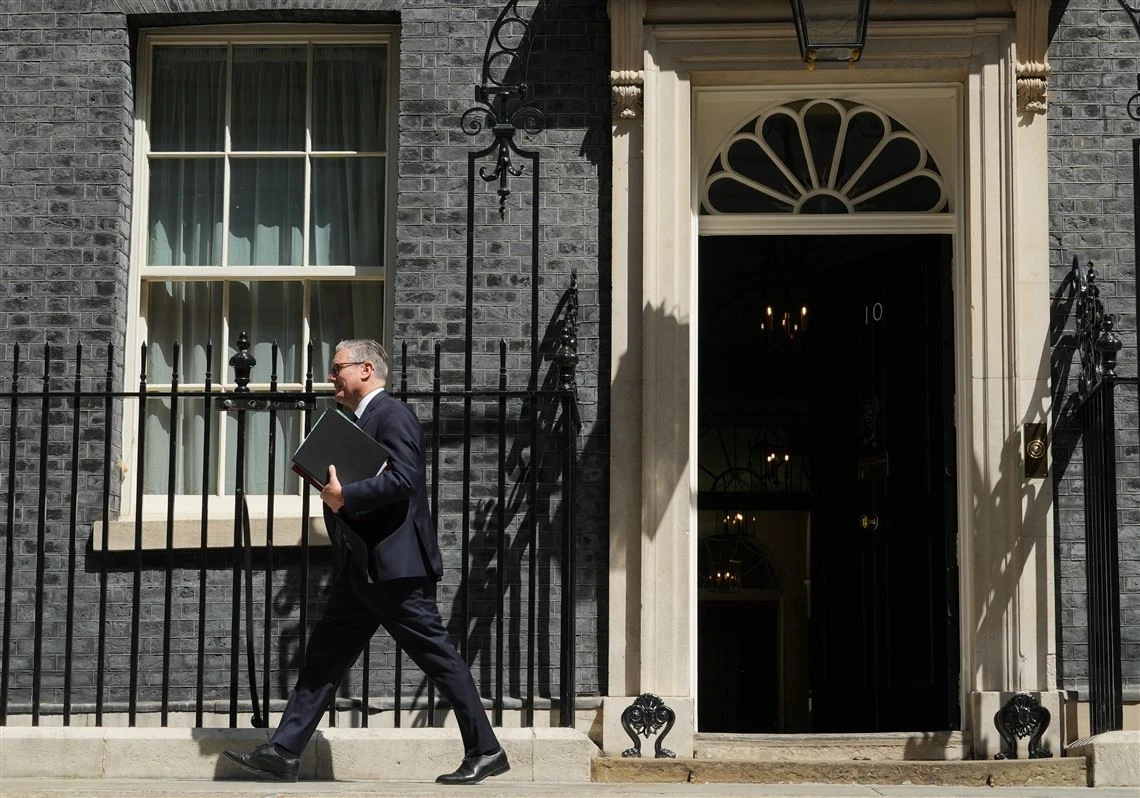
The pace of the succession is adding to the scrutiny. Reuters reported that Labour lawmakers gave Burnham overwhelming support, with nominations opening on 9 July and closing on 16 July. Some reporting says he could be announced as Labour leader on 17 July and become prime minister after meeting King Charles III on 20 July. Burnham has also launched his “No 10 North” agenda and promised to hand more power to Britain’s regions, a domestic shift that foreign governments will read as part of the same message: this would not be a continuation of Westminster as usual.

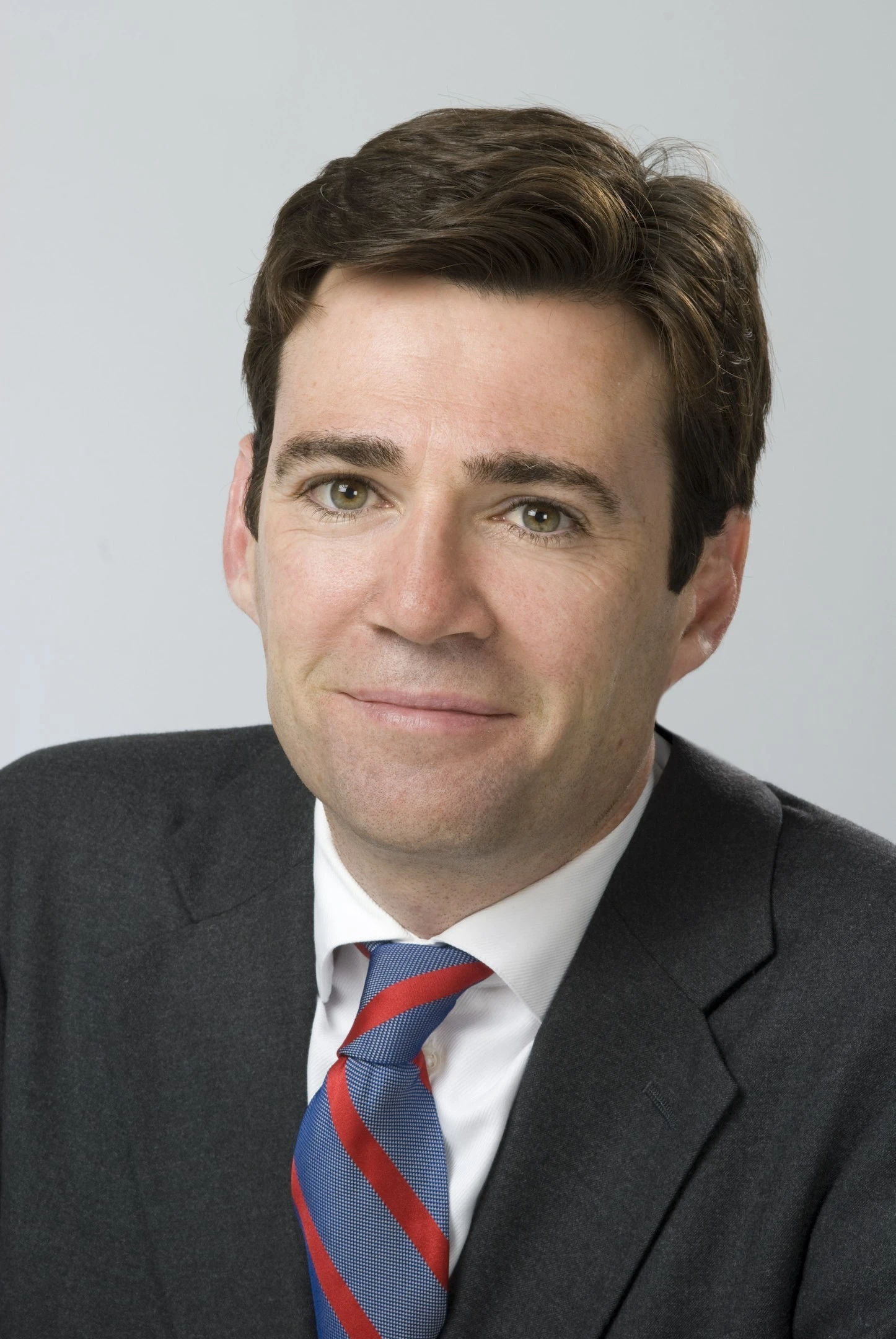
Washington will focus on energy and immigration, Brussels on a possible reset with Europe, Moscow on whether Britain can still fund hard power, and Beijing on a government that is talking about both regional decentralisation and a closer European alignment.
Sources
- [1]bbc.co.uk
- [2]nbcnews.com
- [3]usnews.com
- [4]express.co.uk
- [5]kyivindependent.com
- [6]inews.co.uk
- [7]uk.news.yahoo.com