World
World Leaders Welcome Trump’s Ceasefire Deal with Iran
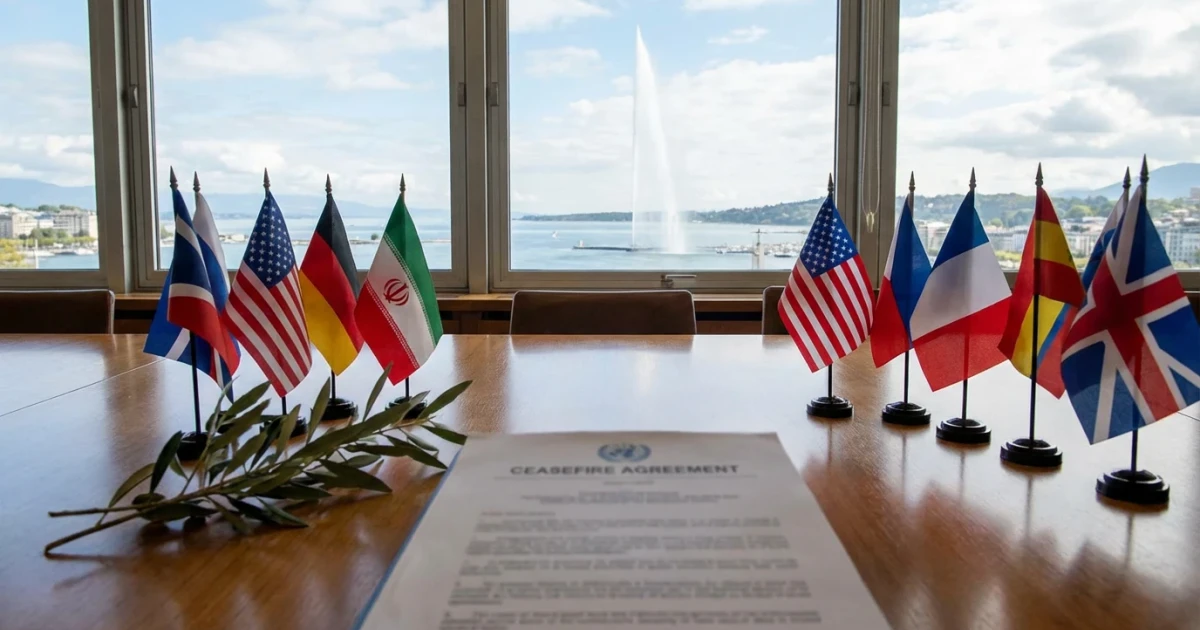
President Trump’s announcement of a two-week ceasefire agreement with Iran has been met with widespread approval from international leaders, representing a notable de-escalation after months of heightened tensions and threats between Washington and Tehran.
From Escalation to Ceasefire
The ceasefire agreement, which follows a period marked by strong rhetoric and military posturing, comes as a surprise to many observers. President Trump had previously issued stark warnings to Iran, including threats of severe military retaliation in response to perceived provocations. However, diplomatic efforts have prevailed in the short term, resulting in an agreement to halt hostilities for two weeks.
This shift in approach is seen as a significant move to prevent further conflict in the region. The deal reportedly includes provisions for both sides to pause offensive operations, paving the way for potential negotiations on longer-term security arrangements. The announcement aligns with past instances where international pressure and back-channel diplomacy helped avert larger confrontations, as detailed in timelines such as the International Crisis Group’s record of Iran-U.S. tensions.
Global Reactions and Diplomatic Impact
According to reporting from Fox News, world leaders have welcomed the ceasefire, emphasizing the need for dialogue and restraint. European officials in particular have urged both parties to use the ceasefire as an opportunity for further diplomatic engagement. The United Nations has also called for adherence to the ceasefire terms, referencing its official records on sanctions and agreements with Iran to highlight the importance of compliance in maintaining regional peace.
- European Union officials described the ceasefire as a "step in the right direction."
- The United Kingdom and Germany echoed calls for sustained dialogue.
- China and Russia both emphasized the importance of respecting the ceasefire and pursuing a diplomatic solution to long-standing issues.
These reactions underline the ceasefire’s significance for global stability, particularly given Iran’s central role in regional security dynamics and U.S. interests in the Middle East. The agreement has the potential to ease mounting concerns over the proliferation of arms and the possibility of open conflict, issues regularly tracked in resources like the SIPRI Arms Transfers Database.
Ceasefire Terms and Enforcement
While the ceasefire is currently set for just two weeks, its terms are seen as a test of both sides’ willingness to de-escalate. The United Nations Security Council has previously established frameworks for such agreements under Chapter VII of the UN Charter, which governs international responses to threats to peace. Effective monitoring and verification remain key challenges, particularly in light of recent disputes over compliance in Iran’s past engagements.
Analysts note that the short duration of the ceasefire leaves open questions about what comes next. The U.S. State Department’s Country Reports on Terrorism have regularly highlighted the complexity of Iran’s regional activities and the difficulties in achieving lasting agreements. Both sides are expected to use the coming weeks to gauge each other’s intentions and the possibility of negotiating a longer-term solution.
Looking Ahead
The ceasefire agreement represents a significant, if temporary, pause in hostilities between the United States and Iran. Its success or failure could shape broader diplomatic efforts and regional security for months to come. While world leaders have welcomed the breakthrough, much will depend on the actions of both Washington and Tehran in the days ahead.
Observers remain cautious but hopeful that the ceasefire can serve as a foundation for more substantive dialogue, reducing the risk of renewed conflict and advancing the prospects for peace in a volatile region.